
Grade 7 Worksheets
This 7th grade printable worksheet collection is a comprehensive, standards-aligned resource designed to support full national and state curriculum coverage across Language Arts, Mathematics, Science, History/Social Studies, and enrichment areas. It helps students transition into deeper analytical thinking and independent learning by reinforcing grade-level mastery, strengthening conceptual understanding, and building academic confidence for Grade 8 and beyond.
Language Arts
Math
-
7th Grade Word Problems
-
Analyzing Linear Relationships
-
Applying Inequalities In Context
-
Applying Unit Rates In Context
-
Consumer Math
-
Fraction, Decimals, Percentages
-
Graphing Proportional Relationships
-
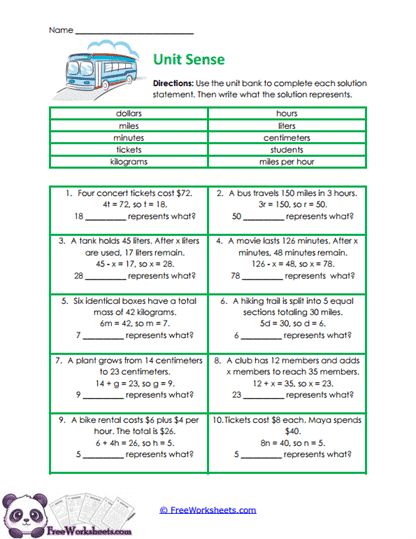
Interpreting Algebraic Solutions
-
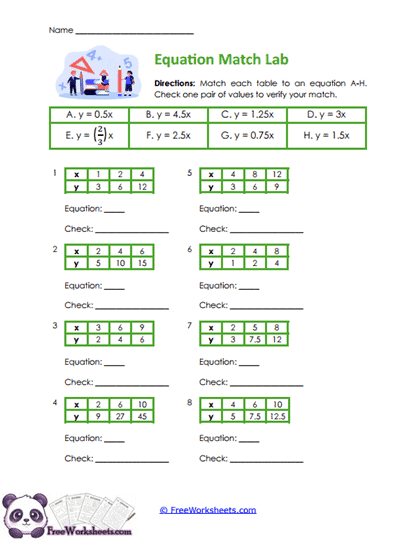
Proportional Relationships
-
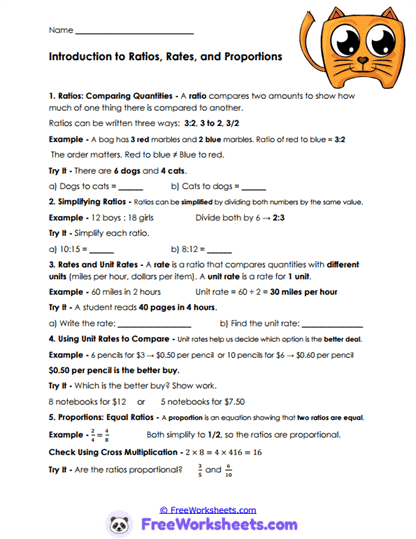
Ratios, Rates, and Proportions
-
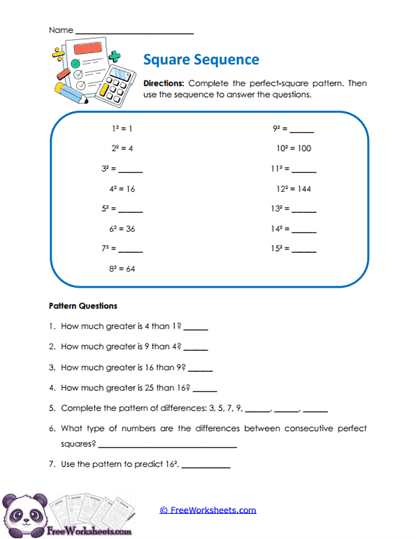
Square Roots
-
Writing Linear Expressions
Reading
-
7th Grade Reading Comprehension
-
7th Grade Reading Fluency
-
7th Grade Reading Passages
-
Analyzing Arguments
-
Analyzing Informational Texts
-
Analyzing Literature
-
Author's Perspective
-
Author's Purpose and Tone
-
Comparing Texts
-
Literary Devices
-
Main Idea
-
Nonfiction Book Study
-
Novel Study
-
Text Structure
-
Theme of Stories
-
Visual Elements
About This Worksheet Collection
7th Grade is often the year where academic expectations increase fast. Students are asked to think more independently, support ideas with evidence, manage longer assignments, and handle more abstract concepts across every subject area.
This collection is built around the skills students struggle with most during the middle school transition: analyzing nonfiction texts, writing stronger arguments, solving multi-step equations, interpreting data, understanding academic vocabulary, and organizing written responses clearly. The worksheets are designed to provide focused practice without overwhelming students with overly complicated layouts or unnecessary distractions.
Students work through activities that strengthen reasoning, close reading, problem-solving, grammar usage, and analytical thinking while developing the consistency needed for higher-level coursework. The goal is not just completing worksheets, but helping students become more confident handling rigorous academic tasks on their own.
Why Teachers Use This Collection
- Close reading practice pages
- Multi-step equation review
- Academic vocabulary reinforcement
- Evidence-based writing activities
- Informational text analysis
- Bell ringer printable worksheets
- Independent practice assignments
- RTI and intervention support
- Fast low-prep classroom resources
- Critical thinking skill development
Why Homeschoolers & Parents Use This Collection
- Middle school academic support
- Structured independent practice
- Reading analysis skill building
- Algebra readiness reinforcement
- Screen-free learning activities
- Daily review printable pages
- Homework and tutoring help
- Writing organization practice
- Study habit skill development
- 8th Grade preparation support
A Look at the Categories of Worksheets
Language Arts
Adjectives and Adverbs
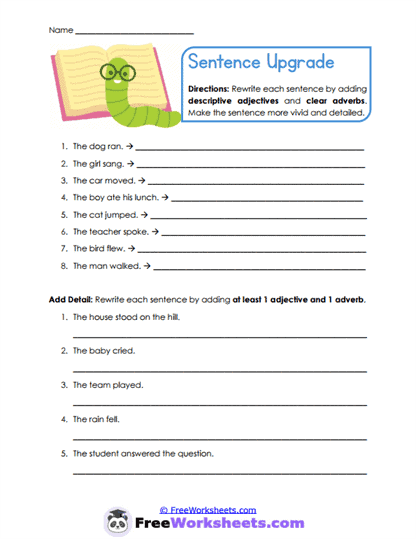
Adjectives and adverbs help seventh graders add detail, clarity, and precision to their writing. Encourage your child to notice whether a word is describing a noun, a verb, or another describing word. These worksheets strengthen grammar, vocabulary, and sentence-building skills.
Direct and Indirect Objects
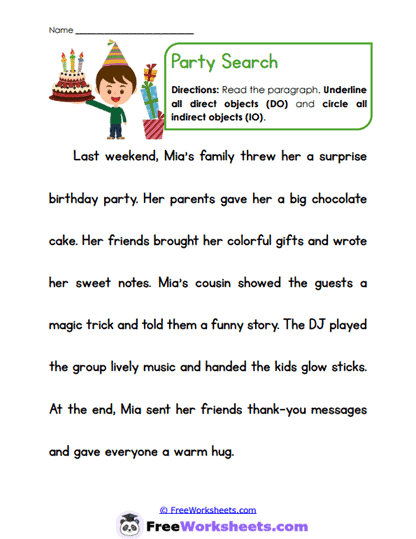
Direct and indirect objects help children understand who or what receives the action in a sentence. A useful strategy is to first find the verb, then ask what received the action and for whom the action was done. These activities strengthen sentence analysis, grammar, and writing clarity.
Grade 7 Spelling
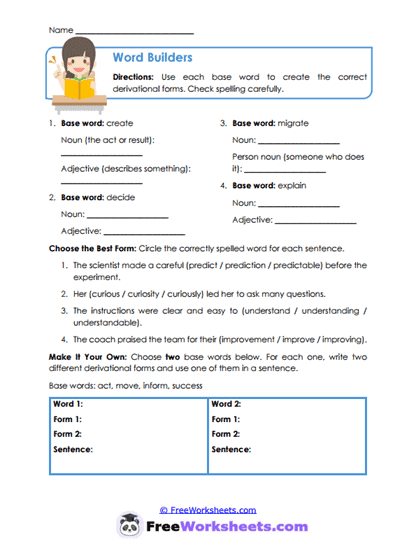
Grade 7 spelling practice helps children master more advanced words, patterns, and commonly confused terms. Reviewing word families, prefixes, suffixes, and tricky letter combinations can make difficult spellings easier to remember. These worksheets strengthen spelling accuracy, vocabulary, and written communication skills.
Grade 7 Vocabulary
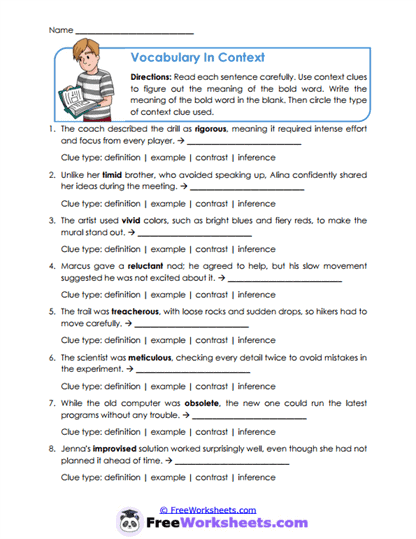
A strong vocabulary helps seventh graders understand complex texts and express ideas more clearly. Encourage your child to use context clues, word parts, and a dictionary to figure out unfamiliar words. These activities strengthen reading comprehension, word knowledge, and writing skills.
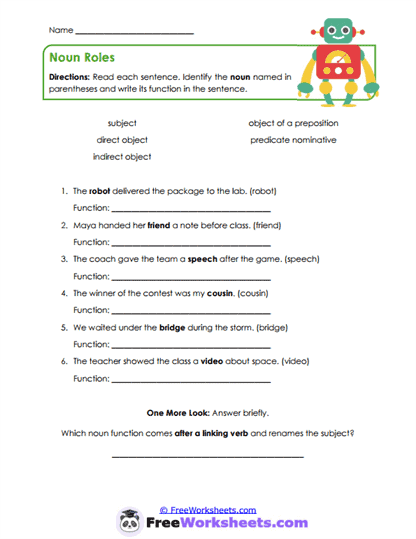
Nouns
Nouns name the people, places, things, and ideas that sentences are built around. Seventh graders also learn to recognize different types of nouns and use them correctly in more complex writing. These worksheets strengthen grammar, sentence structure, and language awareness.
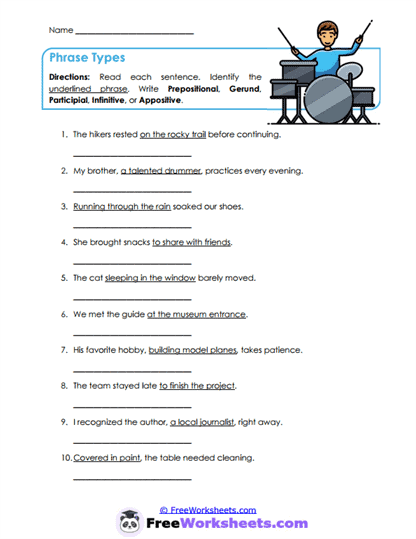
Phrases and Clauses
Phrases and clauses are groups of words that help sentences carry more complete and detailed meaning. A helpful strategy is to look for a subject and verb to decide whether a word group is a clause or a phrase. These activities strengthen sentence structure, grammar, and writing fluency.
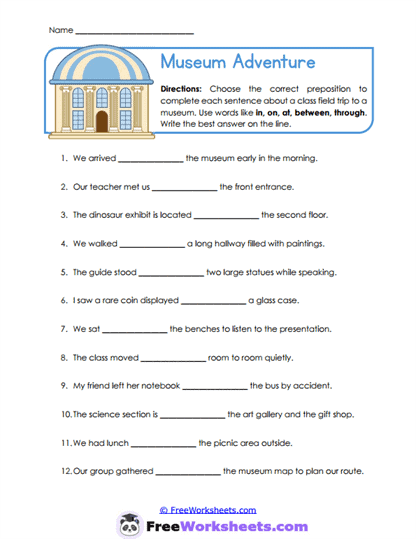
Prepositions
Prepositions show relationships involving place, time, direction, and position. Encourage your child to look for words that connect a noun or pronoun to another part of the sentence. These worksheets strengthen grammar, sentence clarity, and descriptive writing skills.
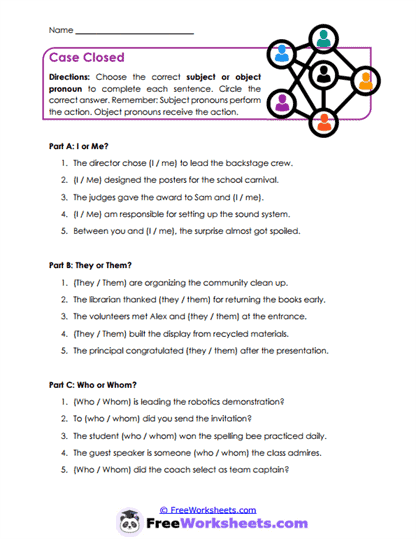
Pronouns and Antecedents
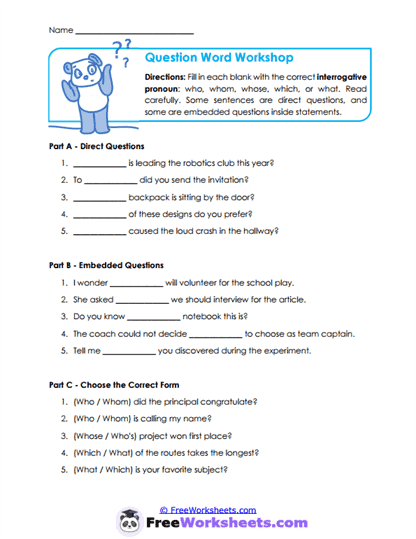
Pronouns and antecedents work together to keep writing clear and avoid unnecessary repetition. Seventh graders practice making sure each pronoun clearly matches the noun it replaces. These activities strengthen grammar, editing, and sentence clarity.
Sentences, Fragments, and Run-ons
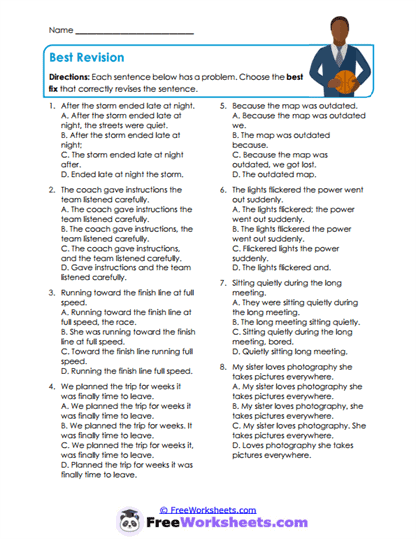
Understanding sentences, fragments, and run-ons helps children recognize whether an idea is complete and correctly written. Ask your child to check for a clear subject, a verb, and proper punctuation when reviewing each sentence. These worksheets strengthen grammar, proofreading, and sentence construction skills.
Subject-Verb Agreement
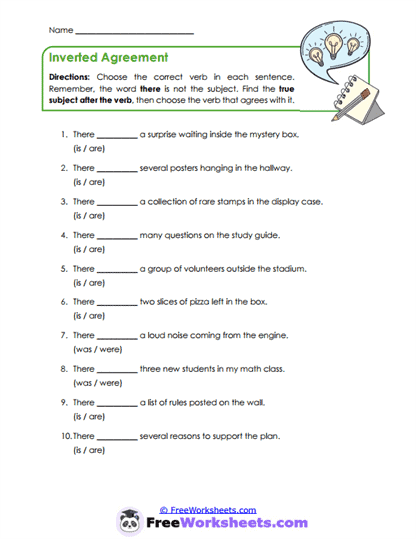
Subject-verb agreement means that the subject and verb in a sentence must match in number. A useful strategy is to identify the main subject before choosing the correct verb form. These activities strengthen grammar accuracy, editing, and clear writing.
Types of Pronouns
Learning the different types of pronouns helps seventh graders understand how words replace nouns in different ways. Children practice working with personal, possessive, reflexive, relative, and other pronoun forms. These worksheets strengthen grammar, sentence variety, and language knowledge.
Types of Verbs
Different types of verbs show actions, states of being, and connections between ideas. Encourage your child to identify whether a verb is acting as an action, linking, helping, or modal verb in the sentence. These activities strengthen grammar, sentence analysis, and writing precision.
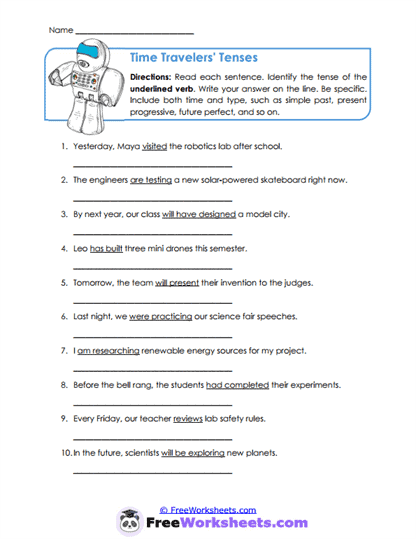
Verb Tense
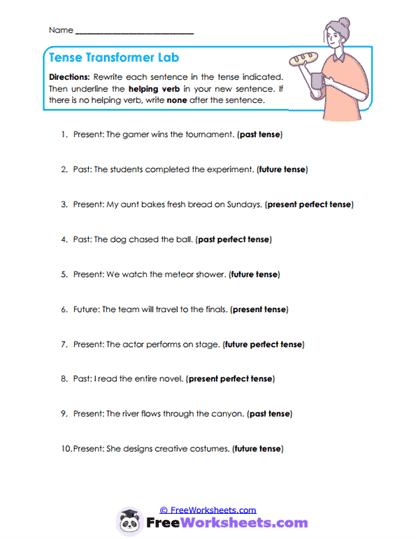
Verb tense shows when an action happens and helps writing stay clear and consistent. Seventh graders practice using past, present, future, and perfect tenses correctly in sentences and paragraphs. These worksheets strengthen grammar, editing, and overall writing coherence.
Math
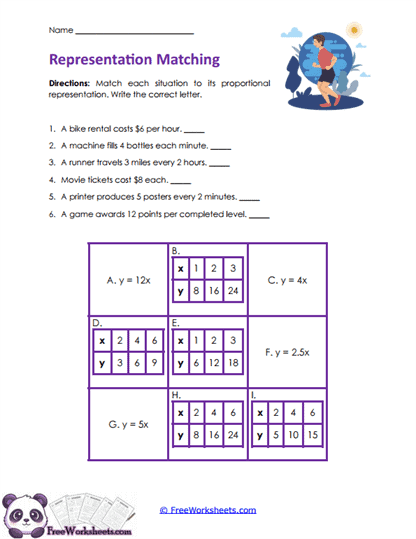
Analyzing Linear Relationships
Analyzing linear relationships helps students understand how two quantities change together at a constant rate. Encourage your child to compare tables, graphs, and equations to identify patterns and explain how the variables are connected. These activities strengthen algebraic reasoning, graph interpretation, and problem-solving skills.
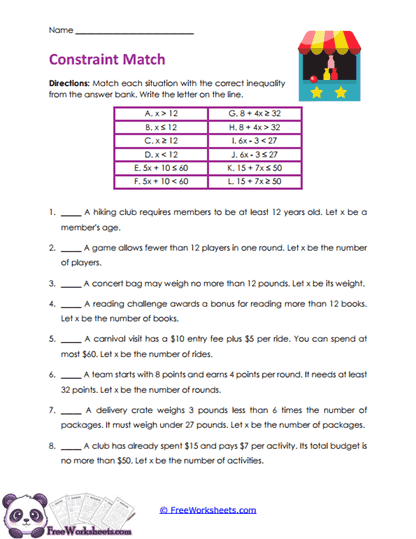
Applying Inequalities In Context
Applying inequalities in context helps students use mathematical statements to represent real-world situations with limits, ranges, or conditions. Encourage your child to look for words such as “at least,” “more than,” or “no more than” when deciding which inequality to use. These worksheets strengthen algebraic reasoning, mathematical modeling, and real-world problem-solving skills.
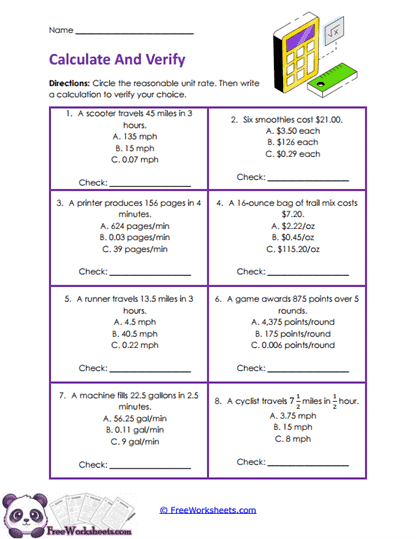
Applying Unit Rates In Context
Applying unit rates in context helps students compare quantities and make sense of situations involving cost, speed, distance, and other everyday measurements. Try having your child calculate prices per item, miles per hour, or other rates to determine which option offers the best value. These activities strengthen proportional reasoning, number sense, and real-world math application skills.
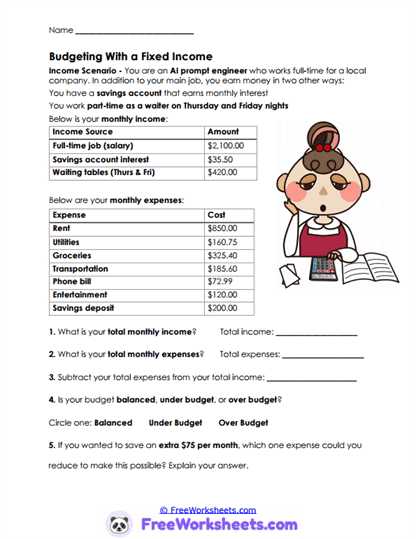
Consumer Math
Consumer math helps students apply math skills to everyday situations like shopping, budgeting, discounts, and taxes. A helpful strategy is to involve your child in comparing prices or calculating totals during real shopping trips. These activities strengthen financial literacy, problem-solving, and real-world mathematical reasoning skills.
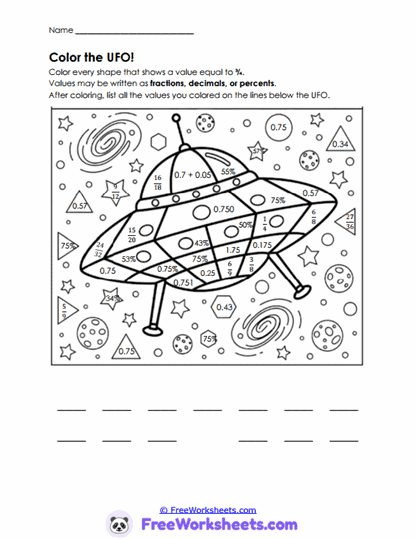
Fraction, Decimals, Percentages
Understanding fractions, decimals, and percentages helps students see how different forms of numbers are connected in real-life situations. Encourage your child to practice converting between them while working with money, sales discounts, or measurements at home. These worksheets strengthen number sense, proportional reasoning, and analytical thinking skills.
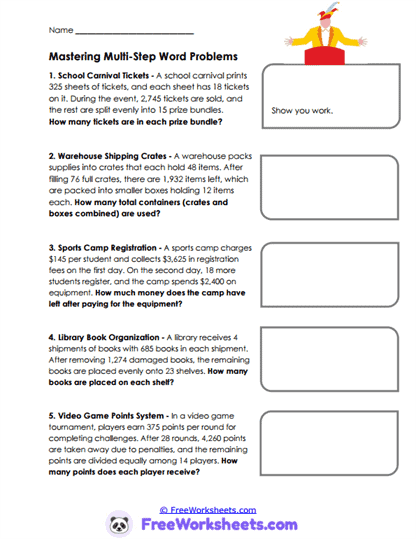
Grade 7 Word Problems
Word problems help students apply math concepts to situations that require reasoning instead of memorization alone. A useful strategy is to have your child underline important information and identify what the problem is asking before solving. These activities strengthen critical thinking, mathematical reasoning, and multi-step problem-solving skills.
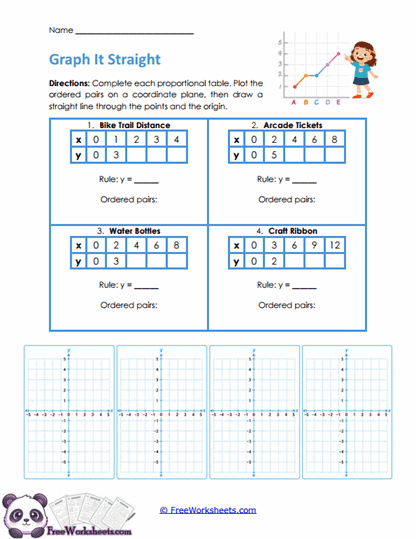
Graphing Proportional Relationships
Graphing proportional relationships helps students visualize how two quantities are connected by a constant rate. Encourage your child to create tables of values before plotting points and to look for graphs that form a straight line through the origin. These worksheets strengthen graphing skills, proportional reasoning, and understanding of mathematical relationships.
Interpreting Algebraic Solutions
Interpreting algebraic solutions helps students understand what the answer to an equation or inequality means within a mathematical or real-world situation. Encourage your child to check whether a solution makes sense by substituting it back into the original problem and considering its meaning in context. These activities strengthen algebraic reasoning, critical thinking, and problem-solving skills.
Proportional Relationships
Understanding proportional relationships helps students recognize when two quantities change at the same constant rate. Try using recipes, prices, distances, or other everyday examples to help your child identify and compare proportional situations. These worksheets strengthen proportional reasoning, number sense, and real-world math application skills.
Ratios, Rates, and Proportions
Understanding ratios, rates, and proportions helps students compare quantities and solve real-world problems involving scale, speed, and measurements. Try using recipes, maps, or sports statistics to show how proportional relationships appear in everyday life. These worksheets strengthen proportional reasoning, analytical thinking, and real-world math application skills.
Square Roots
Understanding square roots helps students recognize the relationship between a number and the value that produces it when multiplied by itself. Encourage your child to connect square roots with familiar perfect squares such as 9, 16, 25, and 36 before working with less familiar values. These activities strengthen number sense, numerical reasoning, and preparation for more advanced algebra skills.
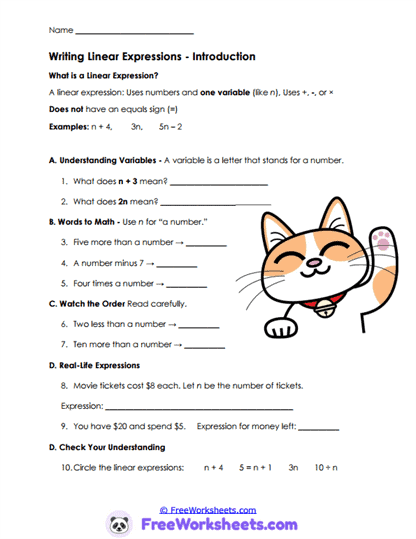
Writing Linear Expressions
Writing linear expressions helps students translate words and patterns into mathematical relationships. Encourage your child to identify key words like “more than,” “less than,” or “times” before building an expression. These activities strengthen algebra readiness, mathematical reasoning, and problem-solving skills.
Reading
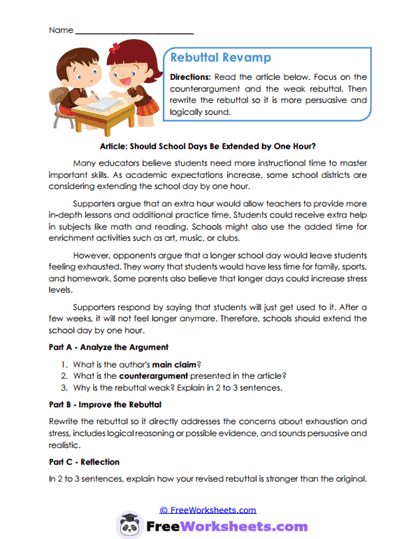
Analyzing Arguments
Analyzing arguments helps seventh graders understand how writers use claims, reasons, and evidence to support a point of view. Encourage your child to ask whether the evidence is strong, relevant, and convincing while reading. These worksheets strengthen critical thinking, comprehension, and evidence-based reasoning skills.
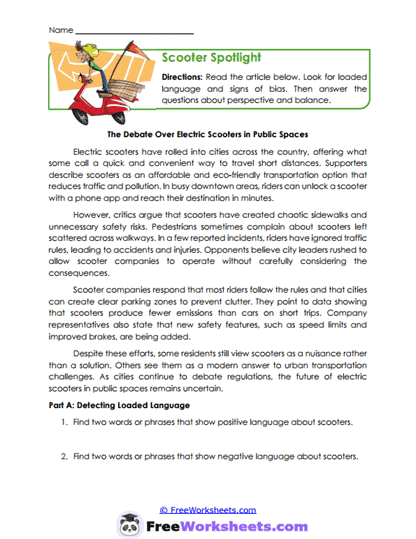
Analyzing Informational Texts
Analyzing informational texts helps children understand how authors explain ideas, present facts, and organize details. A useful strategy is to identify the main idea and then look for facts or examples that support it. These activities strengthen nonfiction comprehension, summarizing, and analytical reading skills.
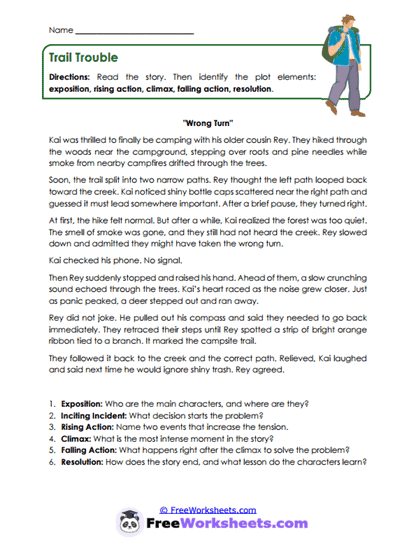
Analyzing Literature
Analyzing literature helps children think more deeply about characters, conflicts, and the bigger meaning behind a story. A helpful strategy is to ask your child why a character made a certain choice and what evidence supports that idea. These worksheets strengthen literary analysis, critical thinking, and evidence-based reasoning skills.
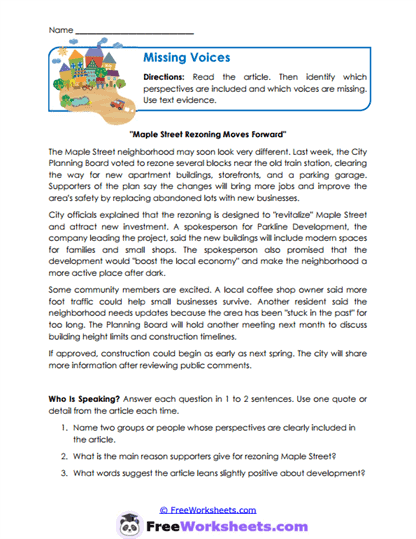
Author’s Perspective
Understanding an author’s perspective helps children recognize how personal beliefs and experiences shape a text. Encourage your child to ask whether the author seems biased or neutral while reading. These activities strengthen critical thinking, perspective-taking, and analytical reading skills.
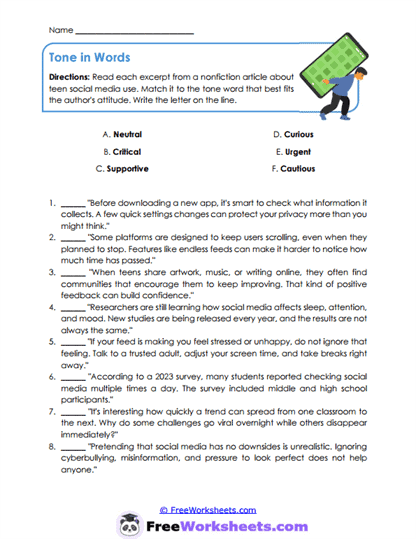
Author’s Purpose and Tone
Recognizing purpose and tone helps children better understand both the message and emotion behind a text. A simple strategy is to look for words that sound persuasive, serious, humorous, or emotional while reading together. These worksheets strengthen comprehension, vocabulary, and reading analysis skills.
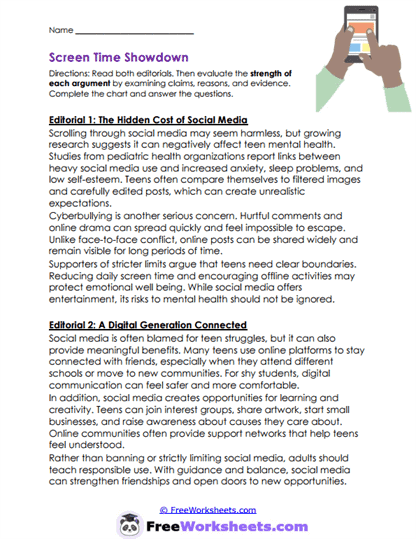
Comparing Texts
Comparing texts helps seventh graders notice how two authors may present similar topics, ideas, or themes in different ways. Encourage your child to look for similarities and differences in details, structure, tone, and point of view. These worksheets strengthen comprehension, comparison, and critical thinking skills.
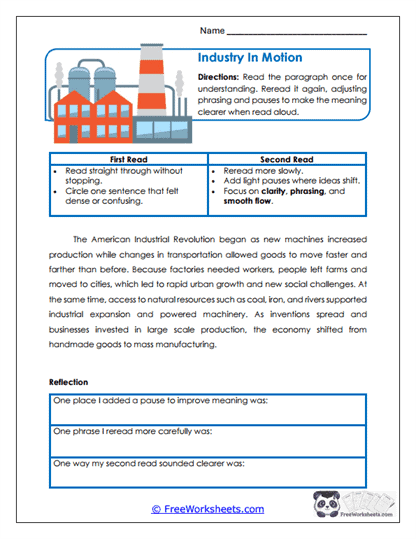
Grade 7 Fluency Practice
Strong fluency helps children read smoothly while focusing on understanding and meaning. Reading passages aloud with proper pacing and expression can help your child sound more natural and confident over time. These activities strengthen fluency, comprehension, and reading confidence.
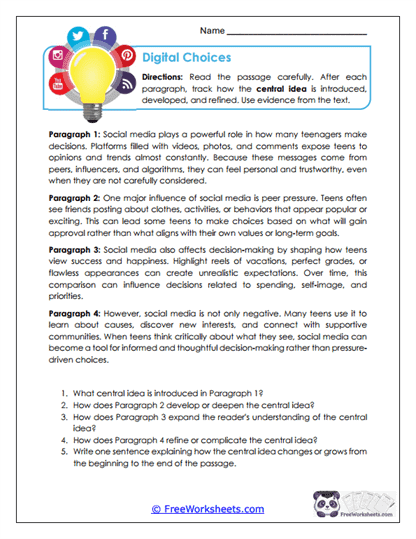
Grade 7 Reading Comprehension
As texts become more complex, strong comprehension skills help children explain ideas and think critically about what they read. Encourage your child to support answers with evidence directly from the text whenever possible. These worksheets strengthen comprehension, analytical thinking, and evidence-based reasoning skills.
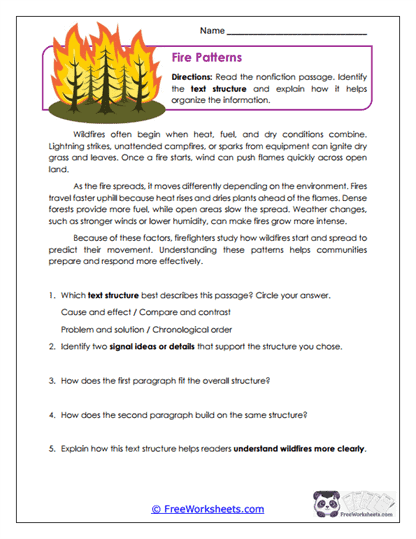
Grade 7 Reading Passages
Reading a variety of passages helps children become stronger and more flexible readers. A great strategy is to pause after each section and summarize the main idea in one or two sentences. These activities strengthen comprehension, vocabulary, and reading stamina.
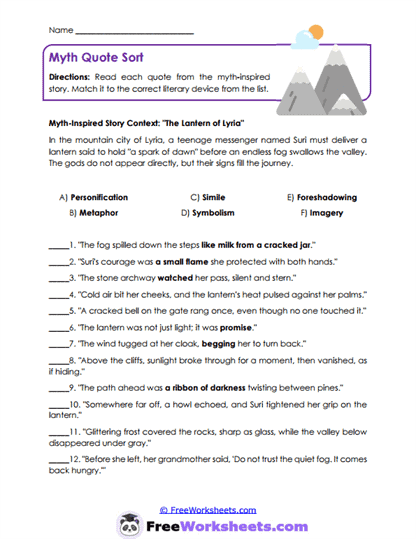
Literary Devices
Understanding literary devices helps children recognize how authors create meaning, emotion, and imagery in writing. Point out examples of symbolism, metaphors, or similes while reading together to make these concepts feel more natural. These worksheets strengthen literary analysis, figurative language, and comprehension skills.
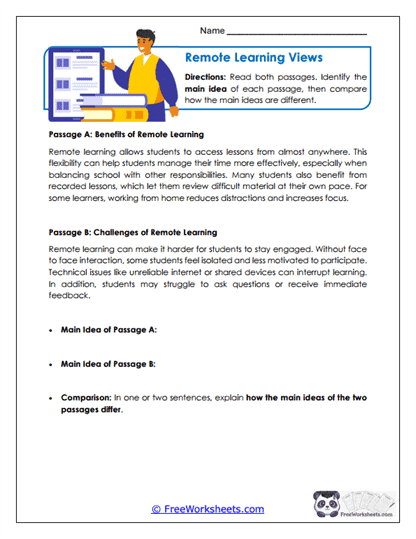
Main Idea
Finding the main idea helps children focus on the most important point in a passage instead of getting distracted by details. Ask your child, “What is the author mainly trying to explain or teach?” after reading each section. These activities strengthen summarizing, comprehension, and organizational thinking skills.
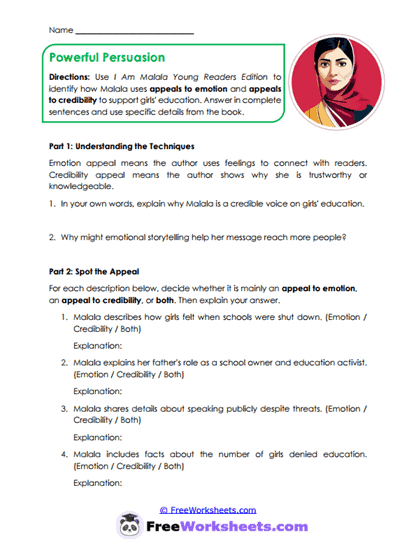
Nonfiction Book Study
A nonfiction book study gives children the chance to explore a real topic in greater depth over a longer text. Pausing after each chapter to discuss important facts, new vocabulary, and key ideas can help your child stay engaged. These activities strengthen reading stamina, research skills, and informational text comprehension.
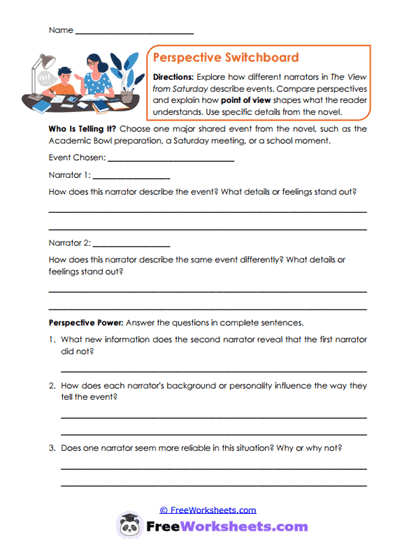
Novel Study
A novel study helps seventh graders examine characters, conflicts, themes, and plot development across a complete story. Encourage your child to track how a character changes and what events influence those changes. These worksheets strengthen literary analysis, comprehension, and evidence-based writing skills.
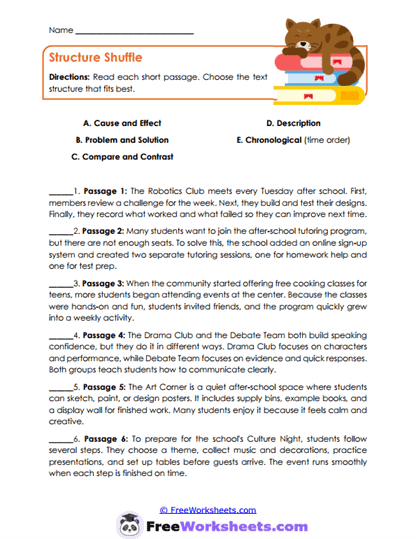
Text Structure
Recognizing text structure helps children better understand how information and ideas are organized in a passage. Practice identifying structures like compare and contrast, sequence, or cause and effect while reading together. These worksheets strengthen comprehension, organization, and analytical reading skills.
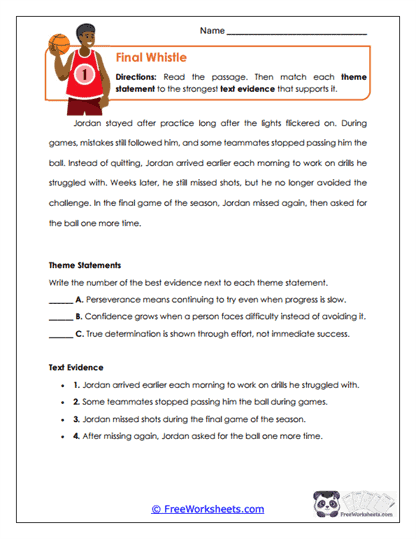
Theme of Stories
Understanding theme helps children recognize the deeper message or lesson behind a story. Encourage your child to think about what the author wants readers to learn from the characters’ experiences. These activities strengthen comprehension, interpretation, and critical thinking skills.
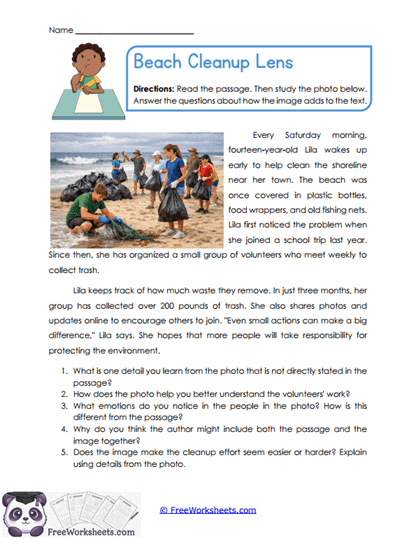
Visual Elements
Understanding visual elements helps children see how images, charts, graphs, captions, and design features add meaning to a text. Ask your child what information the visual provides that may not be stated directly in the words. These activities strengthen comprehension, media literacy, and visual analysis skills.