
Grade 3 Worksheets
This 3rd grade printable worksheet collection gives students focused practice across essential math, reading, writing, grammar, vocabulary, and critical thinking skills. These free, ready-to-print PDF worksheets are designed for flexible use in the classroom, homeschool lessons, tutoring, centers, small groups, homework, or independent practice. Students build stronger reading comprehension and text-based reasoning while also developing multiplication fluency, place value understanding, problem-solving strategies, writing skills, and overall math confidence. The collection provides meaningful practice with the academic skills 3rd graders need to work more independently and prepare for the demands of 4th grade.
Math
Reading
-
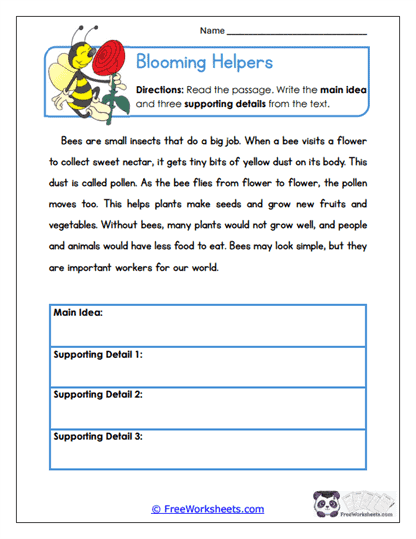
3rd Grade Reading Comprehension
-
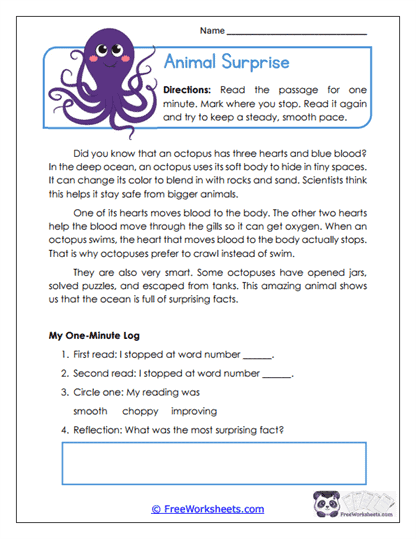
3rd Grade Reading Fluency
-
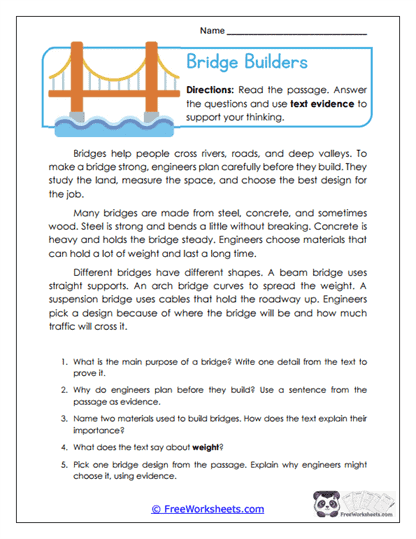
3rd Grade Reading Passages
-
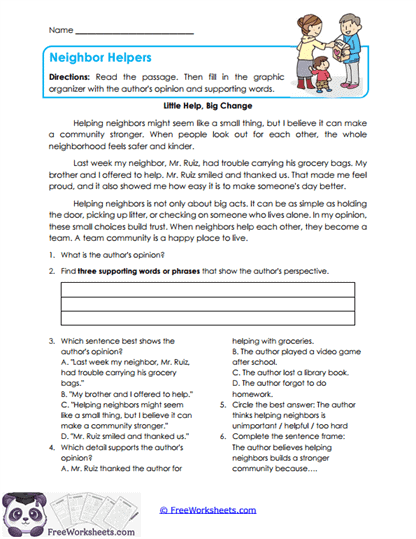
Author's Perspective
-
Author's Purpose
-
Character Traits
-
Inference and Theme
-
Informational Texts
-
Literary Devices
-
Literary Texts
-
Main Idea
-
Poetry Elements
-
Sensory Details
-
Story Elements
-
Text Features
-
Text Structure
-
Visual Elements
About This Collection of Worksheets
3rd Grade is where students begin moving from basic skill practice into deeper academic thinking. Reading becomes more analytical, writing becomes more structured, and students are expected to explain answers using evidence, details, and complete reasoning.
This collection focuses on the core skills students work on throughout the 3rd Grade year: reading comprehension, text evidence, vocabulary, paragraph writing, grammar, multiplication, problem-solving, and independent learning strategies. The worksheets are designed to help students strengthen accuracy while also developing stronger critical thinking and written responses.
Students practice analyzing stories, identifying main ideas, comparing texts, solving multi-step problems, and organizing written thoughts more clearly. These printable worksheets help build the academic stamina and confidence students need before entering upper elementary grades.
Why Teachers Use This Collection
- Text evidence response practice
- Main idea skill review
- Multiplication fact reinforcement
- Paragraph writing skill building
- Grammar and language practice
- Reading fluency support activities
- Literacy center printable pages
- Independent student work practice
- Small group intervention support
- Low-prep classroom worksheets
Why Homeschoolers & Parents Use This Collection
- 3rd Grade reading practice
- Multiplication review worksheets
- Vocabulary skill reinforcement
- Easy daily learning activities
- Structured writing skill support
- Printable independent work pages
- Screen-free academic practice
- Homework and tutoring support
- Critical thinking skill building
- 4th Grade readiness preparation
A Look At The Categories of Worksheets
Math
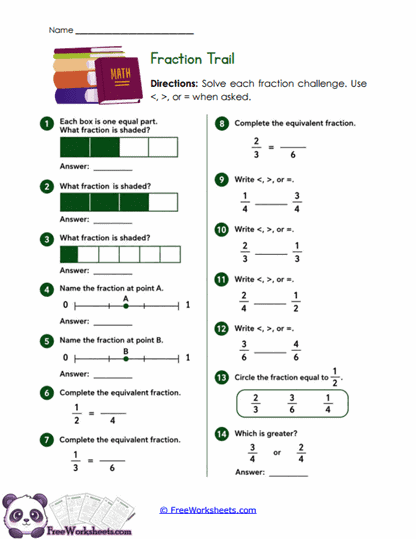
3rd Grade Math Review
Third grade math review helps children practice and reinforce important skills they have learned throughout the year. Encourage your child to work through a variety of problems and revisit any concepts that feel challenging. These activities strengthen math fluency, problem-solving, and confidence across key third grade math skills.
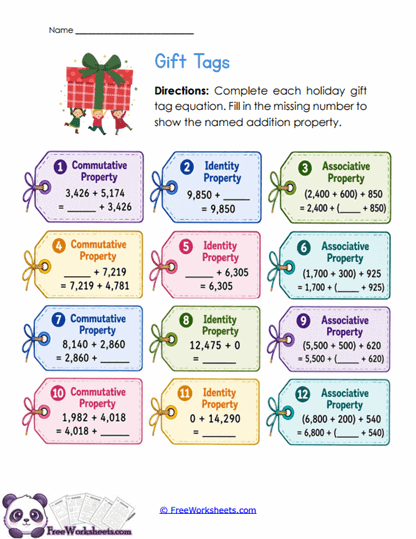
Addition Properties
Addition properties help children recognize useful patterns and strategies that make adding numbers easier and more efficient. Encourage your child to explore how changing the order or grouping of numbers can simplify a problem without changing the sum. These worksheets strengthen addition fluency, number sense, and mathematical reasoning skills.
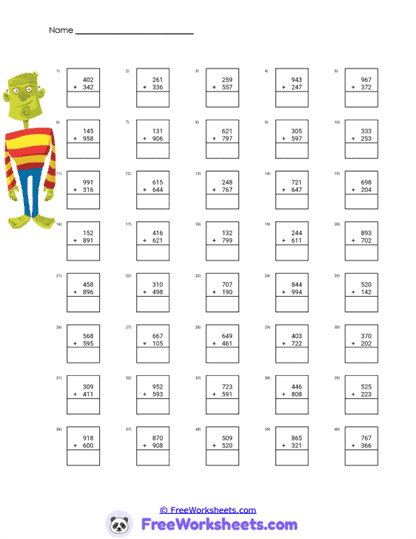
Addition Three Digits
Adding three-digit numbers helps children build stronger place value understanding and solve larger math problems with confidence. Encourage your child to line up numbers carefully by hundreds, tens, and ones before adding to reduce simple mistakes. These activities strengthen place value skills, addition fluency, and mathematical reasoning.
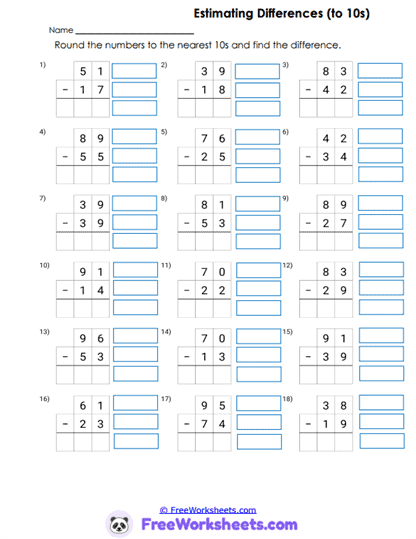
Estimate Differences
Estimating differences helps children learn to judge whether subtraction answers are reasonable before solving exactly. A helpful strategy is to round numbers first and solve the easier problem mentally before checking the exact answer. These worksheets strengthen number sense, mental math, and problem-solving skills.
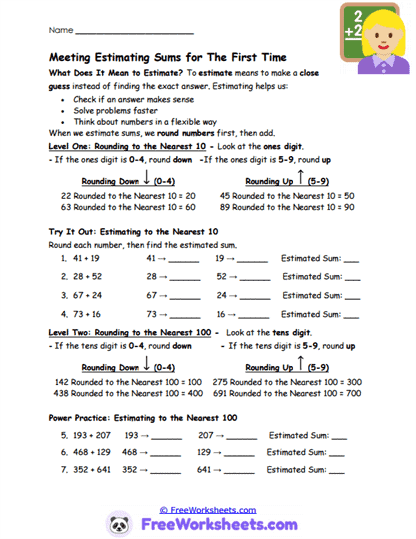
Estimate Sums
Estimating sums teaches children how to quickly predict answers and make sense of larger numbers in everyday situations. Practice rounding numbers during shopping or budgeting activities so your child can see estimation used in real life. These activities strengthen number sense, mental math, and mathematical reasoning skills.
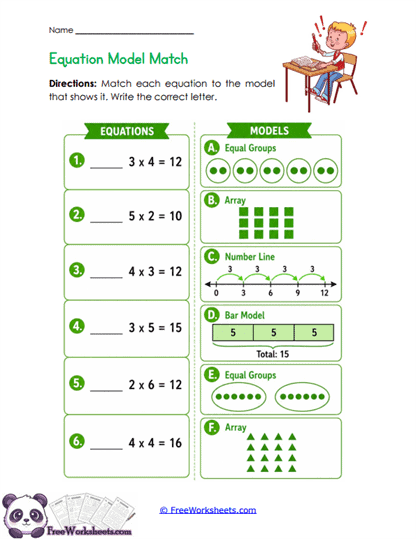
Interpreting Arrays And Models
Interpreting arrays and models helps children visualize multiplication and understand how equal groups represent mathematical relationships. Encourage your child to describe the rows, columns, and groups they see before writing a multiplication equation. These worksheets strengthen multiplication understanding, visual reasoning, and problem-solving skills.
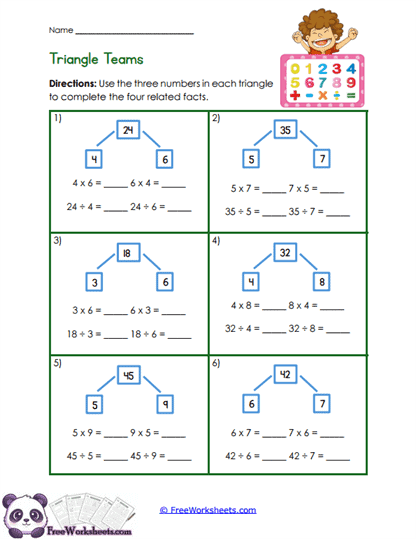
Learning Division Facts
Learning division facts helps children develop fluency with basic division and recognize the connection between multiplication and division. Encourage your child to use familiar multiplication facts to find missing quotients more quickly. These activities strengthen division fluency, fact families, and number sense skills.
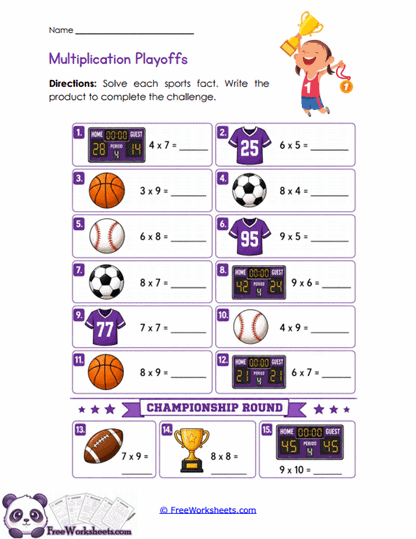
Learning Multiplication Facts
Learning multiplication facts helps children build speed and confidence when solving basic multiplication problems. Encourage your child to look for patterns and practice related facts together instead of relying only on memorization. These worksheets strengthen multiplication fluency, number sense, and mathematical reasoning skills.
Mixed Operations Addition And Subtraction
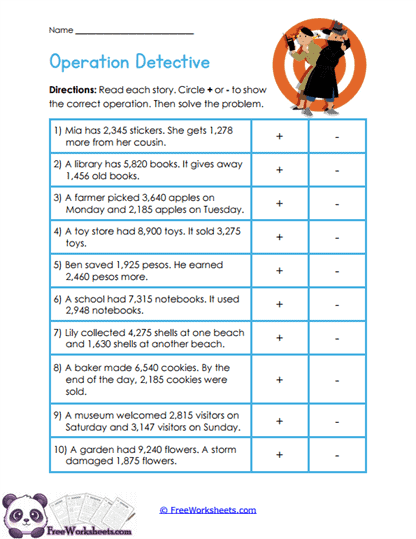
Practicing mixed addition and subtraction helps children decide which operation to use and become more flexible when solving different types of problems. Encourage your child to look closely at each problem and check whether the answer makes sense before moving on. These activities strengthen computation fluency, problem-solving, and mathematical reasoning skills.
Multiplication Properties
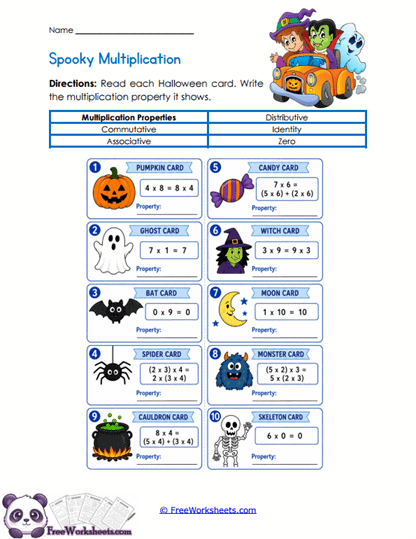
Multiplication properties help children understand useful patterns that make multiplication problems easier to solve. Encourage your child to explore how numbers can be reordered, regrouped, or broken apart to find products more efficiently. These worksheets strengthen multiplication fluency, number sense, and mathematical reasoning skills.
Rounding
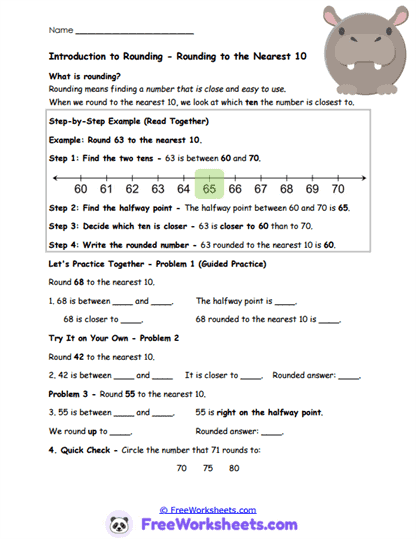
Rounding helps children simplify numbers and better understand place value relationships. Try using a number line to show whether a number is closer to the higher or lower ten or hundred. These worksheets strengthen place value understanding, estimation, and number sense skills.
Subtraction Three Digits
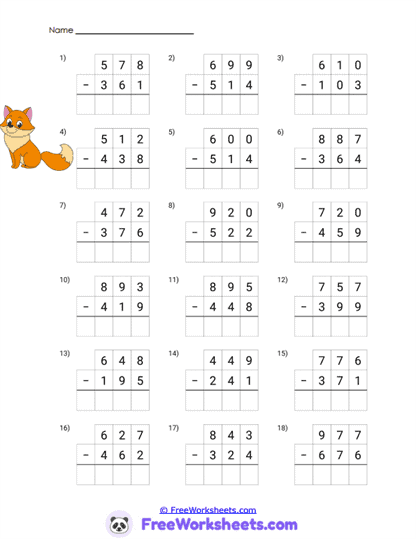
Subtracting three-digit numbers helps children apply place value skills to more advanced problem-solving. Encourage your child to regroup carefully and check their work by estimating the answer first. These activities strengthen subtraction fluency, mathematical reasoning, and place value understanding.
Reading
Author’s Perspective
Understanding an author’s perspective helps children recognize how feelings, opinions, and experiences shape a story or passage. A helpful strategy is to ask your child, “How does the author feel about this topic?” while reading together. These worksheets strengthen reading comprehension, critical thinking, and perspective-taking skills.
Author’s Purpose
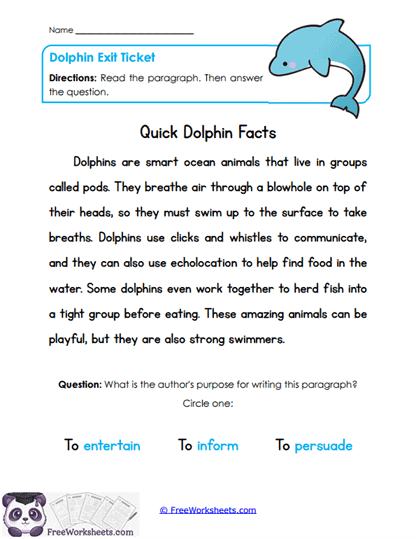
Learning an author’s purpose helps children understand why a text was written and what the author wants the reader to think or learn. Try asking your child whether the passage is meant to teach, entertain, or persuade after reading. These activities build comprehension, analytical thinking, and nonfiction reading skills.
Character Traits
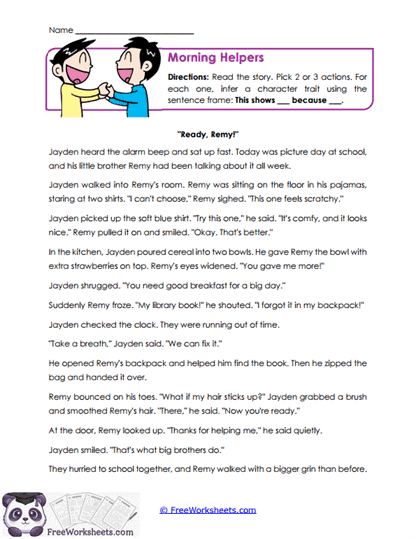
Understanding character traits helps children better connect with stories and explain character behavior. Encourage your child to look for clues in what characters say, do, and feel while reading. These worksheets strengthen comprehension, evidence-based thinking, and story analysis skills.
Grade 3 Fluency Practice
Fluency helps children read more naturally, smoothly, and with better understanding. Reading short passages aloud multiple times can help your child improve confidence and expression. These activities strengthen reading fluency, accuracy, and comprehension skills.
Grade 3 Reading Comprehension
Strong comprehension skills help children understand, discuss, and think critically about what they read. A great way to practice is by asking open-ended questions that encourage your child to explain their thinking. These worksheets build vocabulary, comprehension, and critical thinking skills.
Grade 3 Reading Passages
Reading passages give children regular practice with understanding different types of texts and topics. Encourage your child to pause after each paragraph and summarize what they just read in their own words. These activities strengthen comprehension, fluency, and reading stamina.
Inference and Theme
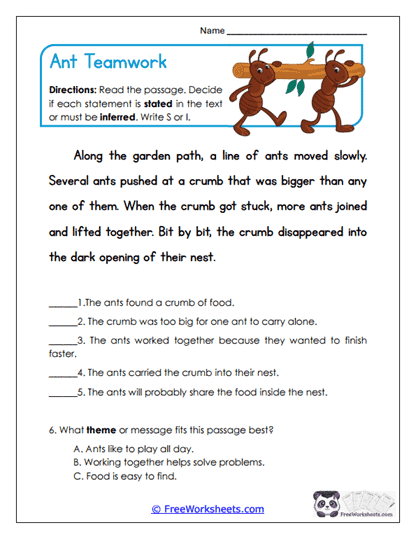
Making inferences and identifying themes helps children think beyond the exact words on the page. Ask your child what lesson the story teaches and what clues helped them figure it out. These worksheets strengthen critical thinking, comprehension, and analytical reading skills.
Informational Texts
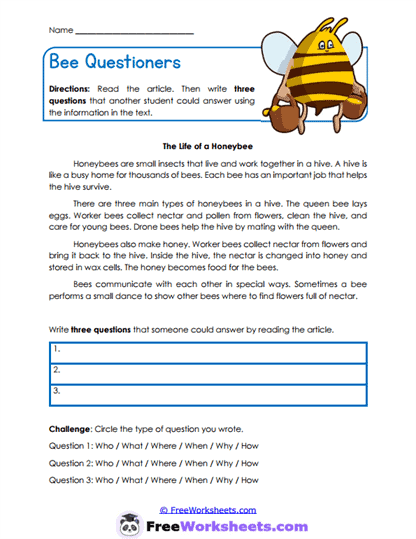
Reading informational texts helps children learn how to find facts, understand new topics, and explain what they have learned. Encourage your child to pause after each section and identify the most important fact or idea. These worksheets strengthen comprehension, main idea skills, and nonfiction reading confidence.
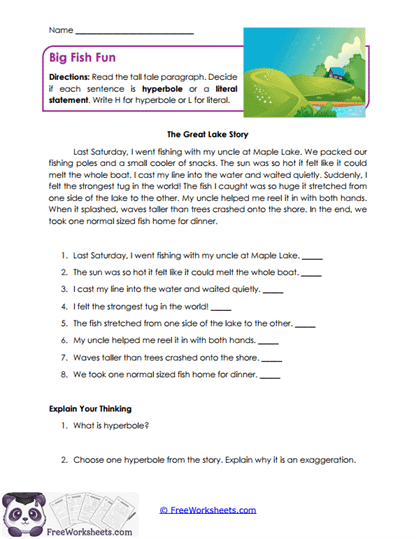
Literary Devices
Learning about literary devices helps children notice how authors make stories and poems more interesting and meaningful. Try pointing out examples of similes, metaphors, repetition, or personification while reading together. These activities build comprehension, vocabulary, and deeper text analysis skills.
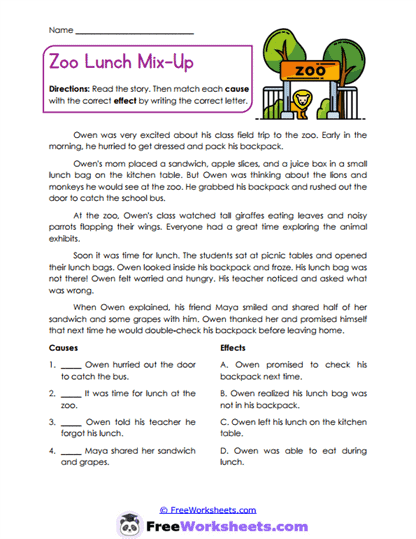
Literary Texts
Reading literary texts helps children understand characters, settings, events, and themes in stories. Ask your child to explain what happened, why a character acted a certain way, or what lesson the story may teach. These worksheets strengthen comprehension, story analysis, and evidence-based thinking skills.
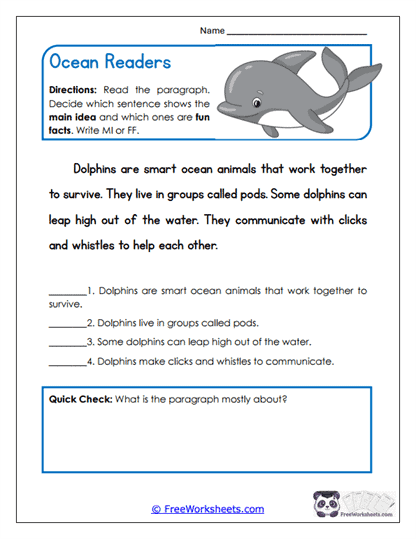
Main Idea
Finding the main idea helps children focus on the most important point in a passage instead of getting lost in small details. A simple strategy is to ask, “What is this mostly about?” after reading each section. These activities strengthen comprehension, summarizing, and organizational thinking skills.
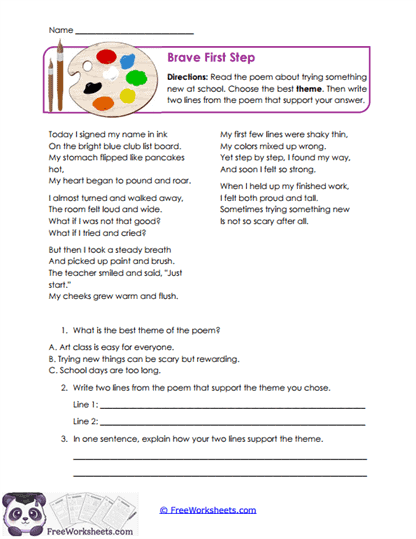
Poetry Elements
Understanding poetry elements helps children notice rhythm, rhyme, line breaks, and other features that make poems unique. Reading poems aloud together can help your child hear patterns and understand how words create meaning and mood. These activities strengthen fluency, comprehension, and appreciation of figurative language.
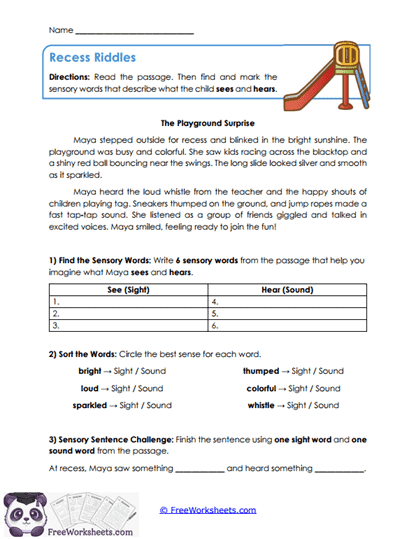
Sensory Details
Sensory details help children picture what they read and make stories feel more vivid and engaging. Encourage your child to notice words that describe what characters see, hear, smell, taste, or feel while reading. These worksheets strengthen comprehension, descriptive writing, and visualization skills.
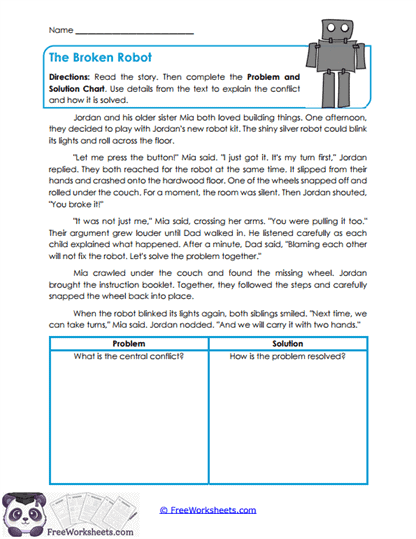
Story Elements
Recognizing story elements helps children understand how characters, settings, problems, and events work together to create a complete story. After reading, ask your child to name the main character, describe the setting, and explain the problem and solution. These worksheets build comprehension, sequencing, and story analysis skills.
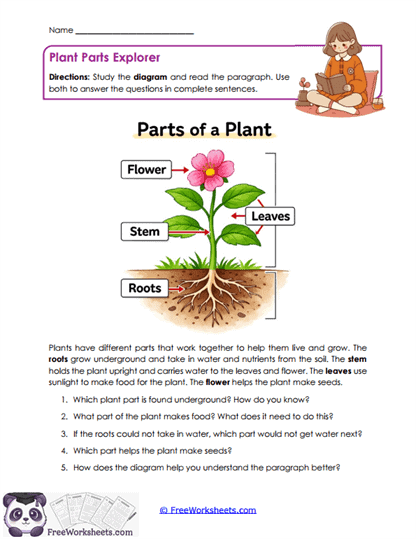
Text Features
Text features help children find and understand important information in nonfiction reading. Encourage your child to notice headings, captions, diagrams, bold words, and other features before and during reading. These activities strengthen comprehension, information gathering, and nonfiction reading skills.
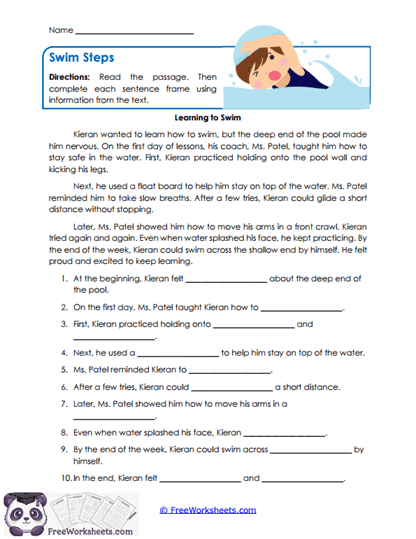
Text Structure
Recognizing text structure helps children better organize information and understand how ideas connect in a passage. Practice spotting patterns like sequence, cause and effect, or compare and contrast while reading together. These activities strengthen comprehension, organization, and analytical reading skills.
Visual Elements
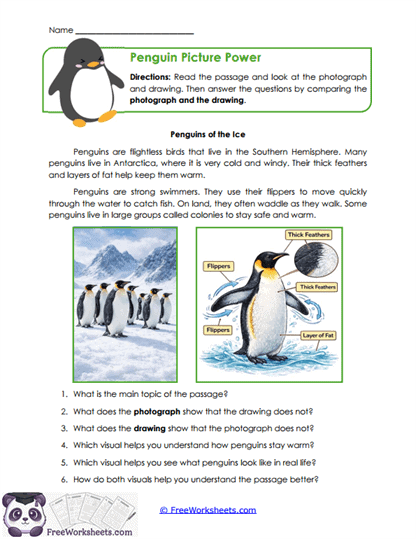
Visual elements like illustrations, diagrams, and photographs can give readers important clues about a text. Ask your child what they learn from the pictures and how the visuals add to or support the words on the page. These worksheets strengthen comprehension, observation, and visual literacy skills.