
Consonants And Vowels Worksheets
Kindergarten Reading Foundations Consonants and Vowels worksheets help students understand the difference between vowel sounds and consonant sounds. These free, ready-to-print PDF format worksheets are designed for immediate classroom use and easy lesson planning. Students build skills in letter recognition, vowel identification, and simple word reading aligned to curriculum standards.
About This Collection of Worksheets
This collection is designed to help young learners clearly understand how vowels and consonants work in words. Students learn that vowels are open sounds and consonants are more closed sounds, and they practice recognizing each type in fun and engaging ways. This is a key step in building strong early reading skills.
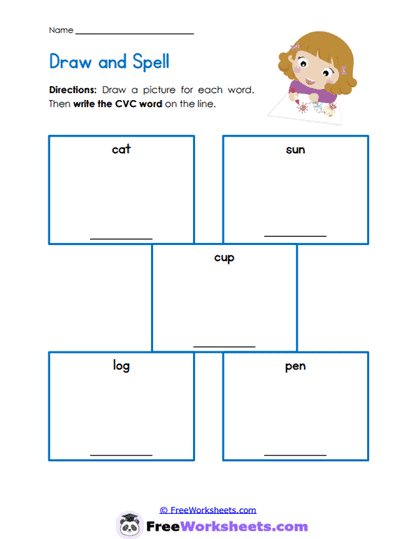
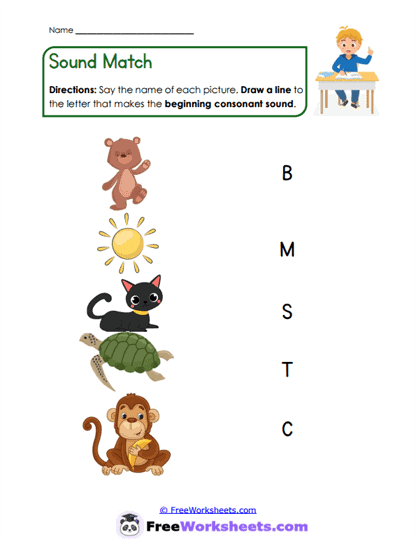
The worksheets include a variety of activities that keep learning interactive and meaningful. Students sort letters, color-code vowels and consonants, identify sounds in words, and build simple CVC words. This variety helps reinforce learning while keeping students focused and motivated.
These activities also connect reading and writing skills. Students not only identify letters and sounds but also apply that knowledge when reading and building words. This helps strengthen decoding, spelling, and overall confidence in early literacy development.
Paul’s Teacher Tip
When teaching vowels and consonants, keep it simple and consistent. Start by helping students memorize the five vowels (a, e, i, o, u) and practice them daily. Use songs, hand motions, or quick games to make this stick. Then, show how vowels and consonants work together in words by slowly sounding out simple examples like “c-a-t.” Encourage students to say sounds out loud as they work. The more they hear and say the sounds, the stronger their reading skills will become.
Worksheet Collection Skill Spotlights
Build the Word
- What Kids Do:
Students look at pictures and build simple words by adding the correct letters. They say each sound as they go, helping them understand how consonants and vowels work together to form words. - Target Skill:
This activity builds early decoding and word-building skills. It supports phonics development by helping students connect sounds to letters and understand basic word structure.
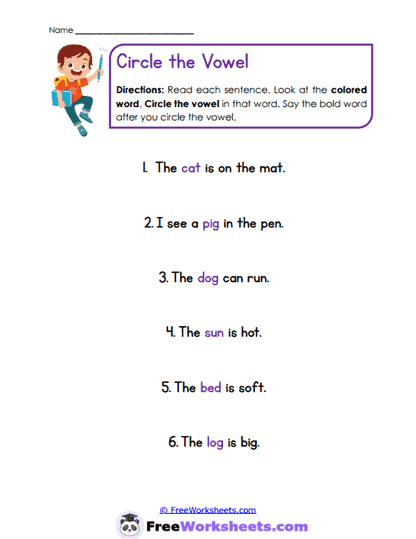
Circle the Vowel Sound
- What Kids Do:
Students read or listen to simple words and circle the vowel they hear. They focus on the middle sound and practice identifying vowels within words. - Target Skill:
This worksheet strengthens vowel recognition and listening skills. It supports early reading development by helping students isolate sounds within words.
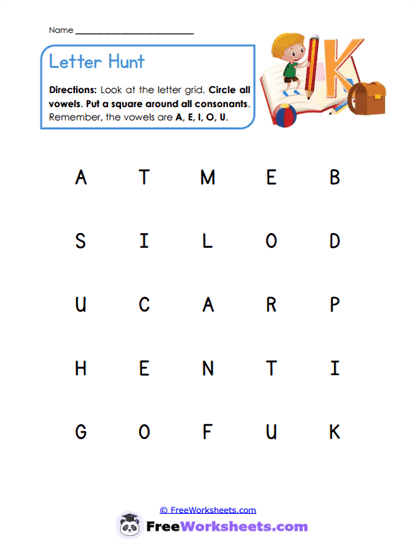
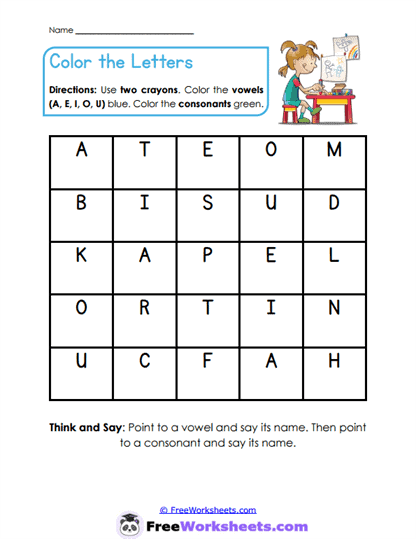
Color the Letters
- What Kids Do:
Students color vowels and consonants in different colors. They scan through letters and identify which ones belong in each group. - Target Skill:
This activity builds letter recognition and classification skills. It helps students quickly identify vowels and consonants in a visual and engaging way.
Color the Vowels
- What Kids Do:
Students find vowels in a group of letters and color them differently from consonants. They say each letter aloud as they work to reinforce learning. - Target Skill:
This worksheet strengthens vowel identification and reinforces phonics awareness. It supports early reading by helping students quickly recognize important letter patterns.
Fill the Missing Letter
- What Kids Do:
Students look at pictures and complete words by adding the missing letter. They think carefully about the sounds they hear to choose the correct letter. - Target Skill:
This activity builds spelling and decoding skills. It supports phonics development by helping students understand how vowels and consonants work together in words.
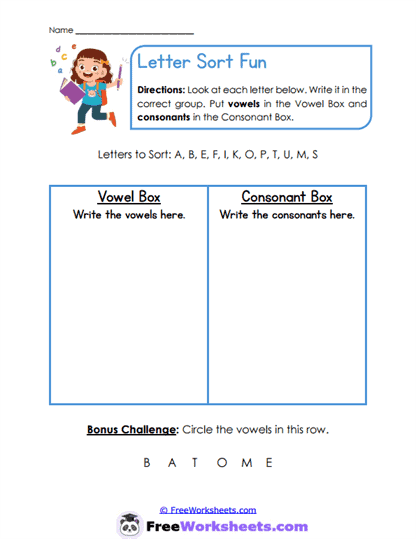
Letter Sort Fun
- What Kids Do:
Students sort letters into vowel and consonant groups. They write each letter in the correct category and practice recognizing sound types. - Target Skill:
This worksheet builds foundational phonics knowledge. It aligns with early standards such as RF.K.3 by helping students classify letters based on their sounds.
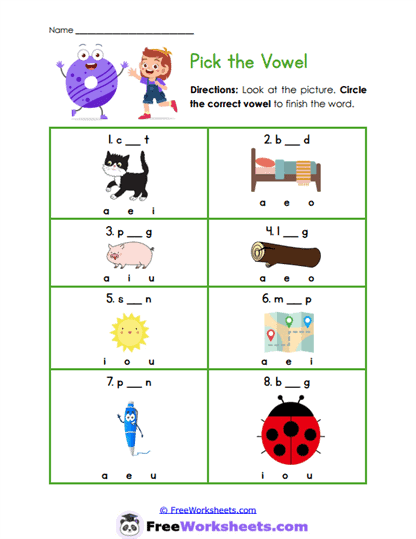
Pick the Vowel
- What Kids Do:
Students look at pictures and choose the correct vowel to complete each word. They focus on hearing the middle sound clearly before making a choice. - Target Skill:
This activity strengthens vowel sound recognition and word-building skills. It supports early reading by helping students apply phonics knowledge in simple words.
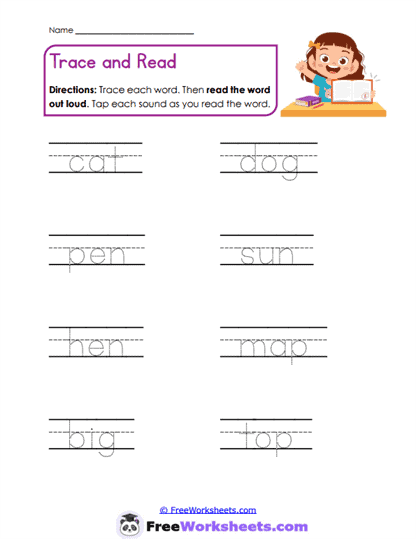
Trace and Read
- What Kids Do:
Students trace simple words and read them aloud. They connect writing practice with sound recognition and word reading. - Target Skill:
This worksheet supports both handwriting and phonics development. It helps students build fluency by connecting letter formation with reading practice.
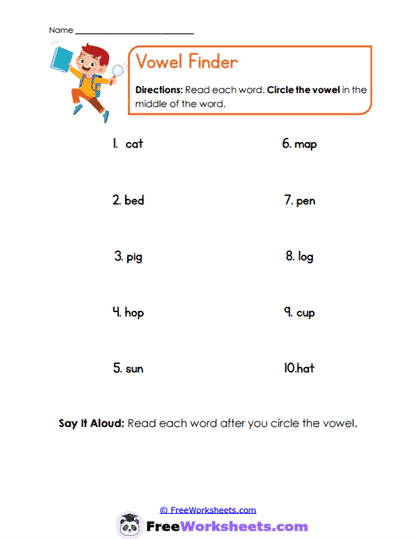
Vowel Finder
- What Kids Do:
Students read simple words and find the vowel in the middle. They circle the correct letter and say the word aloud. - Target Skill:
This activity builds understanding of vowel placement in words. It supports phonics skills by helping students identify and isolate vowel sounds.
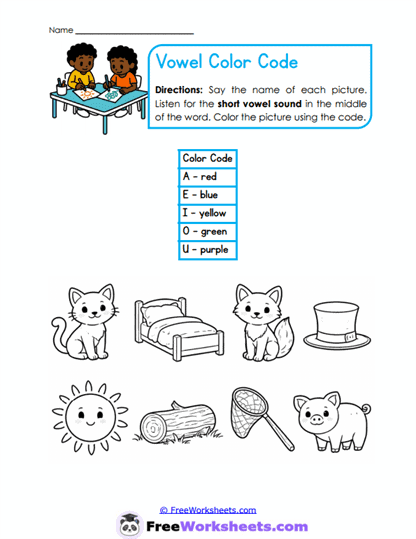
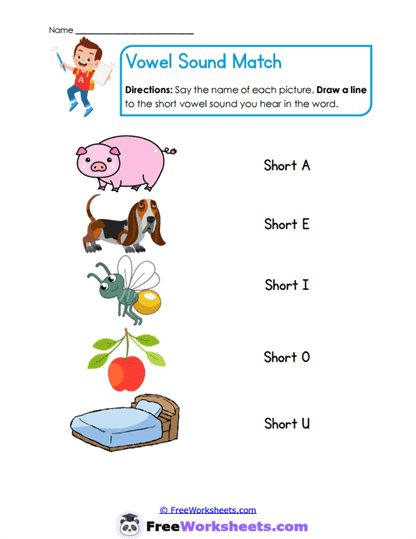
Vowel Sound Match
- What Kids Do:
Students match pictures to the correct vowel sound. They say each word and decide which vowel they hear. - Target Skill:
This worksheet strengthens listening and phonics skills. It helps students distinguish between different vowel sounds in simple words.
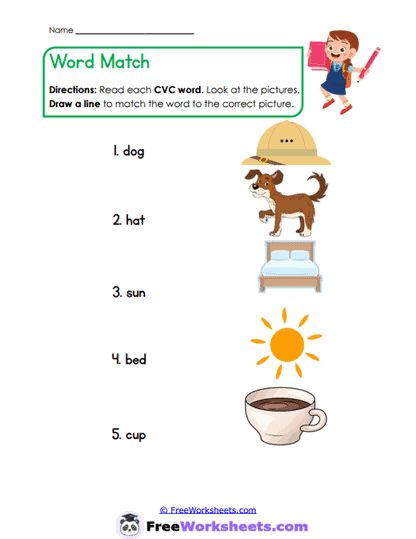
Word Match
- What Kids Do:
Students read words and match them to pictures. They connect written words to meaning using both reading and visual clues. - Target Skill:
This activity builds decoding and comprehension skills. It supports early reading by helping students understand and recognize simple words.
Circle the Vowel Sound (Extended Practice)
- What Kids Do:
Students practice identifying vowel sounds again using additional examples. They listen carefully and circle the correct letter in each word. - Target Skill:
This reinforces vowel identification and phonemic awareness. It helps students build confidence through repeated, focused practice.