
Decodable Texts Worksheets
Kindergarten Reading Foundations Decodable Texts worksheets help students practice reading simple, phonics-based passages with confidence. These free, ready-to-print PDF format worksheets are designed for immediate classroom use and easy lesson planning. Students build skills in decoding, fluency, and comprehension using texts that match what they have learned.
About This Collection of Worksheets
This collection is designed to help early readers practice reading in a way that feels successful and manageable. Each passage uses familiar phonics patterns, so students can focus on sounding out words they already know. This builds confidence and helps reading feel more natural over time.
The worksheets go beyond just reading words. Students interact with the text by circling patterns, answering questions, drawing, and organizing ideas. This helps them connect decoding with understanding, which is a key step in becoming a strong reader.
You’ll also find a variety of text types and activities. Some worksheets focus on word families, others on sight words, sentence building, or comprehension. This variety keeps students engaged while reinforcing important reading skills in multiple ways.
Paul’s Teacher Tip
When using decodable texts, always give students time to reread. The first read is about figuring out the words, but the second and third reads are where fluency and confidence really grow. Model reading the passage out loud first so students can hear how it should sound. Encourage them to point to each word as they read, especially early on. It also helps to talk about the story afterward, even if it’s very simple. This reminds students that reading is about meaning, not just sounding out words.
Worksheet Collection Skill Spotlights
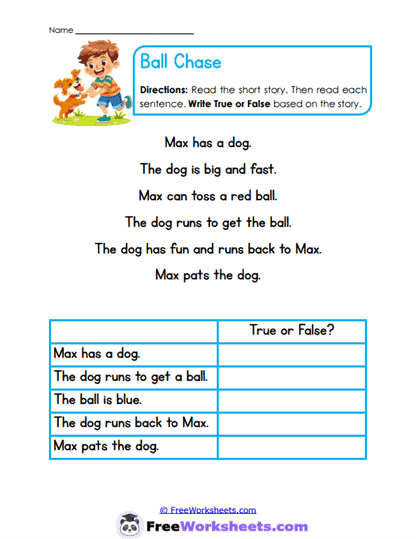
Ball Chase
- What Kids Do:
Students read a short story and decide if statements about the text are true or false. They go back into the story to check details before answering. - Target Skill:
This activity builds comprehension and attention to detail. It helps students learn to confirm answers using the text instead of guessing.
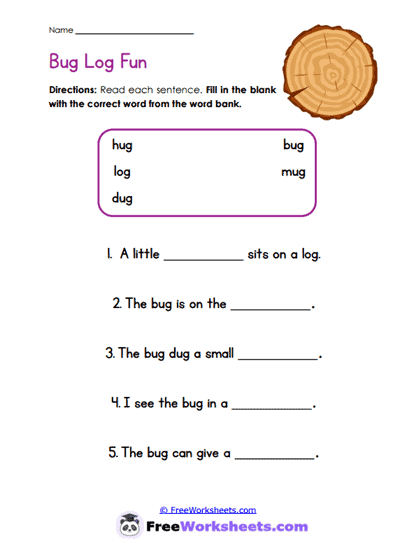
Bug Log Fun
- What Kids Do:
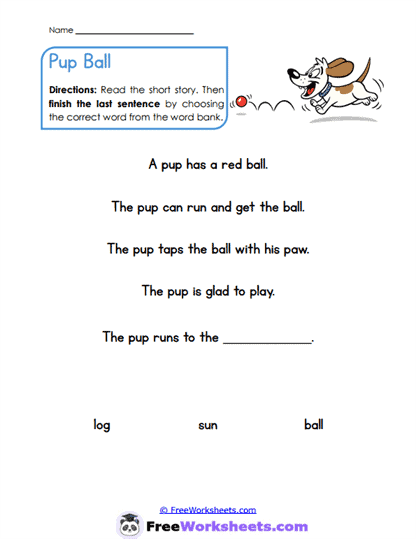
Students read simple sentences and choose the correct word from a word bank to complete each one. They think about both the sounds and the meaning of the sentence. - Target Skill:
This worksheet strengthens decoding and comprehension skills. It helps students connect phonics knowledge with sentence meaning.
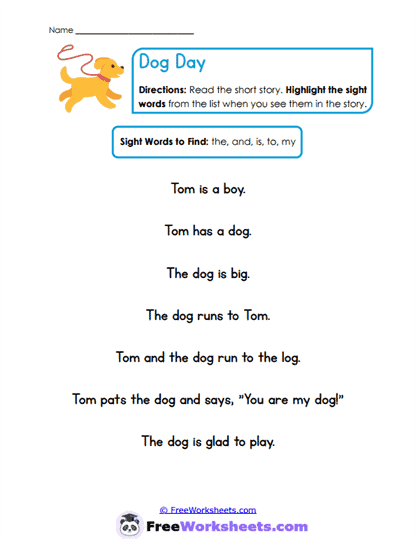
Dog Day
- What Kids Do:
Students read a short story and highlight common sight words as they find them. They scan the text carefully and connect word recognition to real reading. - Target Skill:
This activity builds sight word recognition and reading fluency. It helps students quickly identify high-frequency words in context.
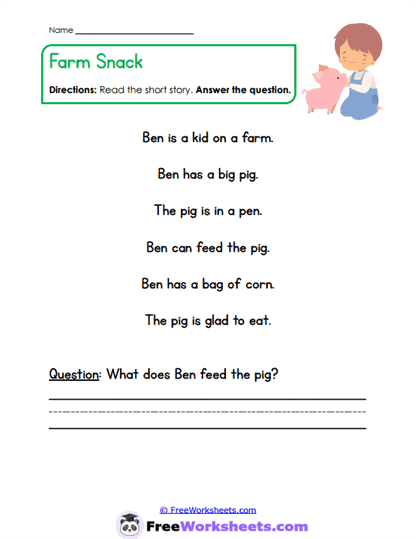
Farm Snack
- What Kids Do:
Students read a short passage and answer a simple question about what they read. They use details from the text to support their answer. - Target Skill:
This worksheet builds early comprehension skills. It helps students move from decoding words to understanding meaning.
Fix the Sentence
- What Kids Do:
Students read simple sentences, find mistakes, and rewrite them correctly. They compare how the sentence sounds before and after fixing it. - Target Skill:
This activity strengthens sentence awareness and basic grammar skills. It helps students understand how sentences should look and sound.
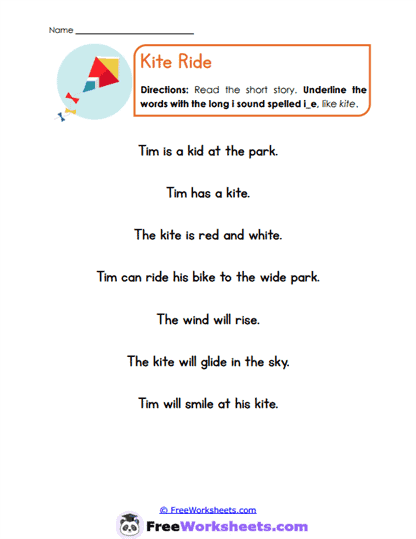
Kite Ride
- What Kids Do:
Students read a short story and underline words that follow a specific phonics pattern. They reread the text to find all examples. - Target Skill:
This worksheet builds pattern recognition and decoding skills. It helps students identify and apply vowel patterns in connected text.
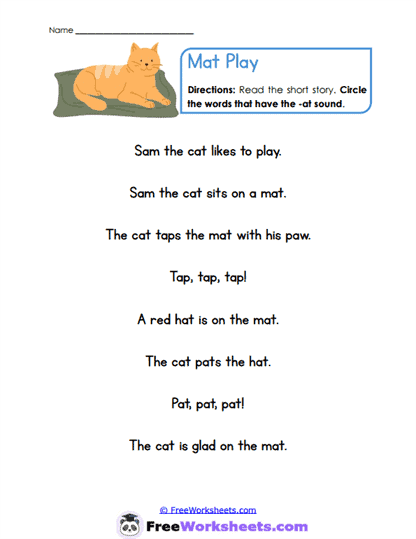
Mat Play
- What Kids Do:
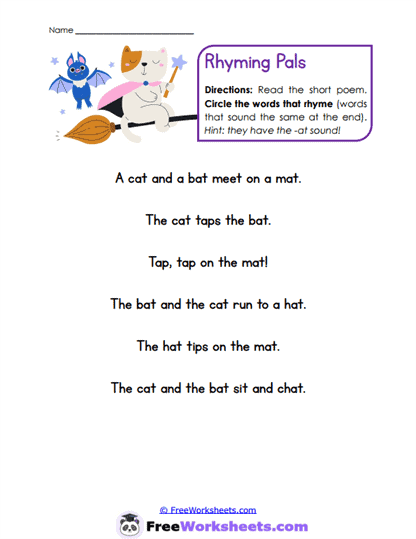
Students read a simple story and circle words that match a specific word family. They look for repeated patterns as they read. - Target Skill:
This activity strengthens word family recognition and fluency. It helps students notice patterns that make reading easier.
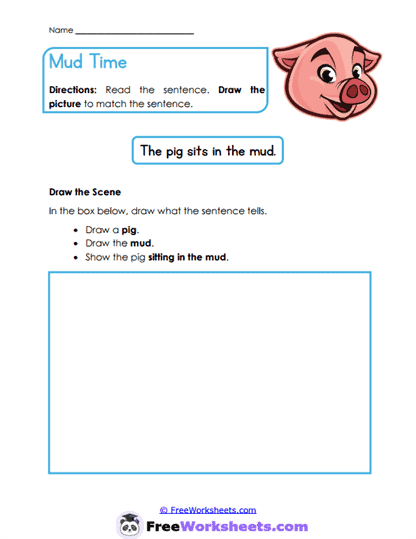
Mud Time
- What Kids Do:
Students read a sentence and draw a picture to show what it means. They connect reading with understanding through illustration. - Target Skill:
This worksheet builds comprehension and visualization skills. It helps students show understanding in a simple and creative way.
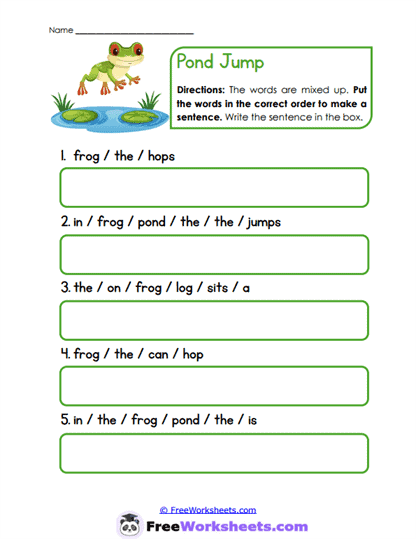
Pond Jump
- What Kids Do:
Students rearrange mixed-up words to form a complete sentence. They read the sentence aloud to check if it makes sense. - Target Skill:
This activity strengthens sentence structure and reading skills. It helps students understand how words work together to form meaning.
Story Order
- What Kids Do:
Students read a short story and put events in the correct order. They think about what happened first, next, and last. - Target Skill:
This worksheet builds sequencing and comprehension skills. It helps students understand how stories are organized.
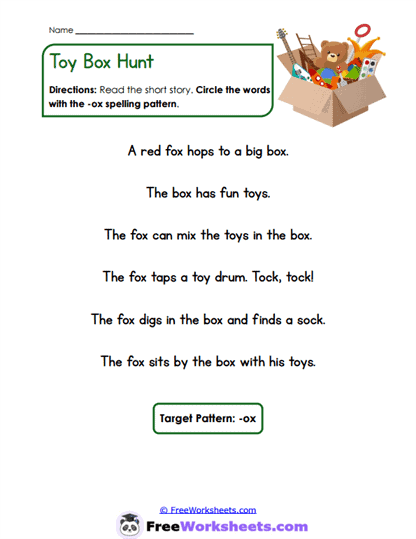
Toy Box Hunt
- What Kids Do:
Students read a story and circle words that match a specific word pattern. They search for repeated sounds as they read. - Target Skill:
This activity strengthens pattern recognition and decoding. It helps students connect phonics patterns to real reading.
Write the Story Flow (Adapted from Story Work)
- What Kids Do:
Students read a short passage and think about what happens in order. They may retell or organize events to show understanding. - Target Skill:
This reinforces comprehension and sequencing. It helps students build a clear understanding of how stories unfold.