
Kindergarten Worksheets
This Kindergarten level worksheet collection is thoughtfully designed to support your child's most important foundational year of learning. These engaging, standards-aligned worksheets build early literacy, math, science, and social studies skills while nurturing curiosity, confidence, and independent learning habits. With developmentally appropriate practice and cross-curricular enrichment, this collection helps young learners grow academically and prepare smoothly for Grade 1 success.
Language Arts
Math
-
Addition Word Problems Up To 5
-
Comparing Length, Weight, And Capacity
-
Comparing Up To 10
-
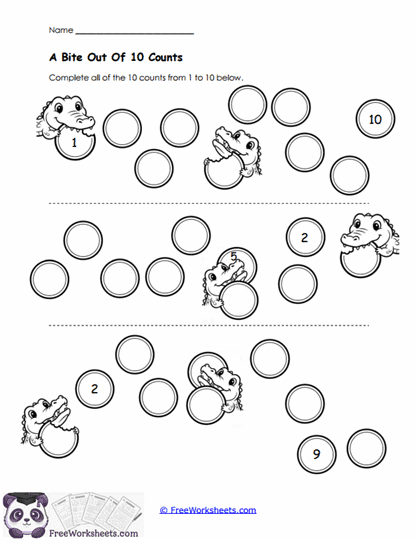
Counting Forward And Back To 10
-
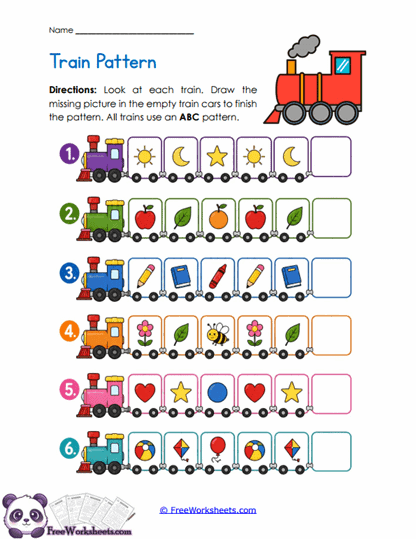
Extending Patterns
-
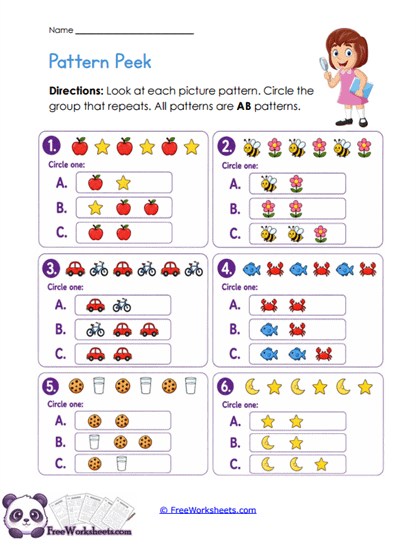
Identifying And Creating Repeating Patterns
-
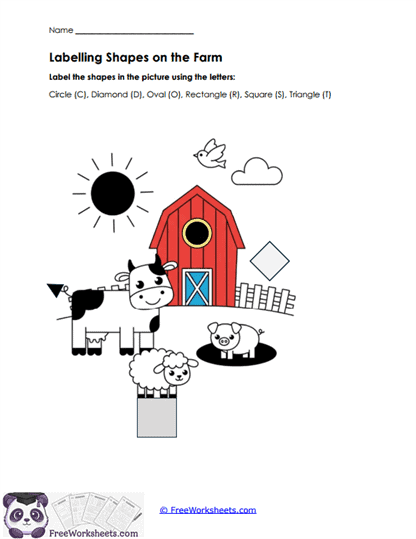
Identifying And Describing 2D Shapes
-
Kindergarten Mixed Math Review
-
Making 10
-
Measuring Using Nonstandard Units
-
Recognizing And Naming Numerals
-
Take Apart Numbers Up To 5
-
Writing Numerals 0 To 10
About This Collection of Worksheets
Kindergarten is where early learning starts becoming real academic learning. Students begin reading simple words, writing basic sentences, solving beginner math problems, and learning how to work independently in a classroom setting.
This collection focuses on the core skills Kindergarten students practice every day: phonics, sight words, counting, addition, handwriting, comprehension, patterns, and problem-solving. The worksheets are designed to give students structured repetition while keeping activities simple, clear, and age-appropriate.
Students strengthen early reading fluency, number confidence, listening skills, fine motor control, and classroom focus through consistent daily practice. These printable worksheets help bridge the gap between Preschool learning and the higher expectations students will face in 1st Grade.
Why Teachers Use This Collection
- Daily phonics skill practice
- Sight word reading review
- Independent seatwork activities
- Addition and subtraction basics
- Morning work printable pages
- Simple reading comprehension practice
- Fine motor writing support
- Small group intervention activities
- Low-prep classroom resources
- 1st Grade readiness reinforcement
Why Homeschoolers & Parents Use This Collection
- Beginner reading skill practice
- Easy daily learning routines
- Printable Kindergarten review pages
- Early math fluency practice
- Sentence writing skill building
- Screen-free educational activities
- Structured independent learning practice
- Extra support before 1st Grade
- Confidence-building academic review
- Simple homeschool learning supplements
A Look at the Categories of Worksheets
Language Arts
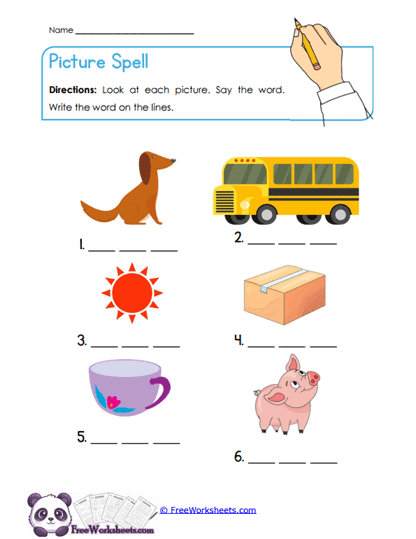
Kindergarten Spelling
Spelling practice helps children connect the sounds they hear with the letters they see and write. Encourage your child to say each word slowly and listen for the sounds before trying to spell it. These worksheets strengthen phonics, word recognition, and early writing skills.
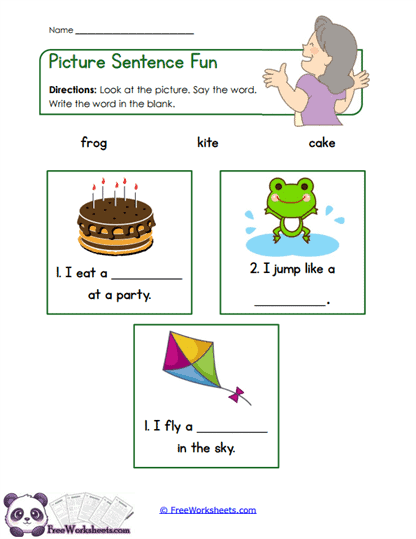
Kindergarten Vocabulary
Building vocabulary helps children understand more of what they hear, read, and talk about each day. Try using new words in simple conversations and asking your child to explain what they think each word means. These activities strengthen language development, reading comprehension, and communication skills.
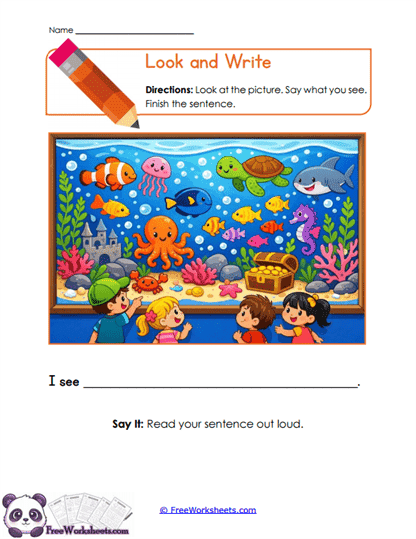
Kindergarten Writing Prompts
Writing prompts give children a simple starting point for sharing their ideas, experiences, and imagination on paper. Encourage your child to draw a picture first and then write a sentence or two about it if they need help getting started. These worksheets strengthen sentence writing, creativity, and early communication skills.
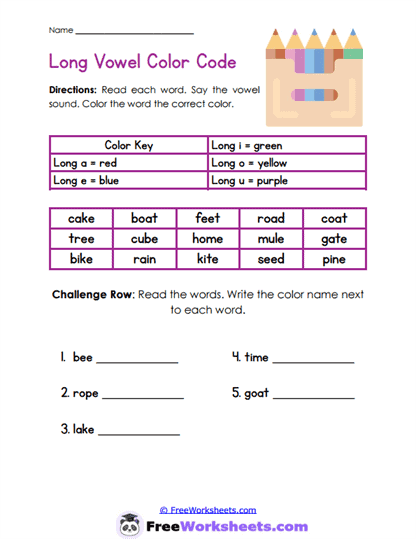
Long Vowel Sounds
Long vowel sounds help children recognize words where the vowel says its name, like the “a” in “cake” or the “i” in “bike.” Practice by saying simple words aloud and asking your child to listen for the long vowel sound they hear. These activities strengthen phonics, decoding, and spelling skills.
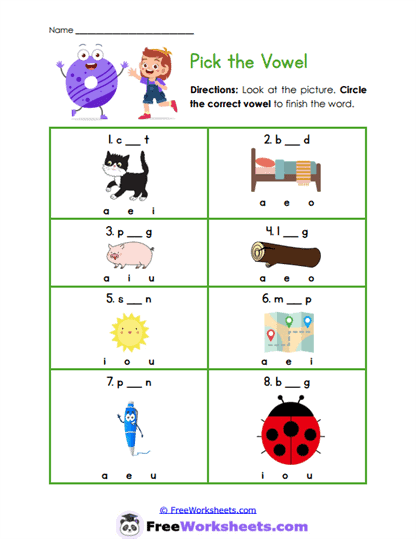
Short Vowels
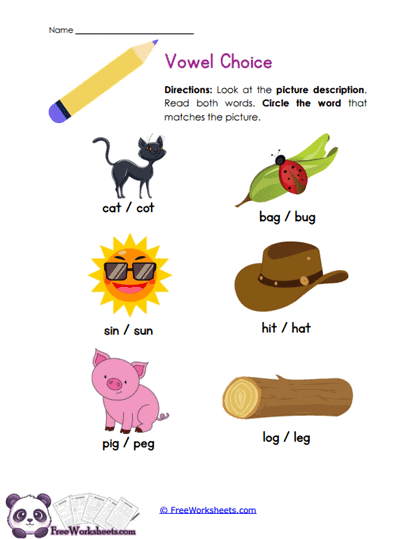
Short vowel sounds are an important part of learning to read and spell simple words. Try saying words like “cat,” “bed,” or “pig” slowly and asking your child to identify the vowel sound in the middle. These worksheets strengthen phonics, word recognition, and early decoding skills.
Math
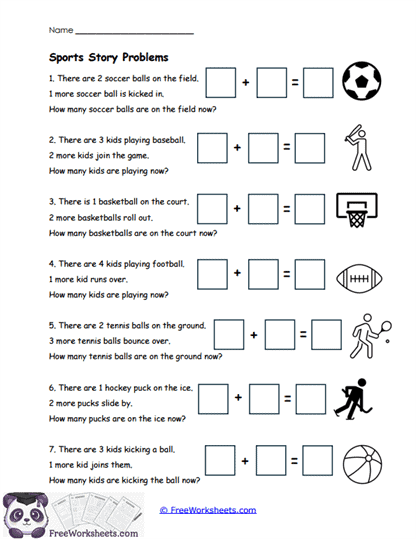
Addition Word Problems Up To 5
Solving simple addition word problems helps children connect numbers to real-life situations they can understand. Try acting out each problem with small toys or snacks so your child can physically combine groups before finding the answer. These activities strengthen number sense, problem-solving, and early addition skills.
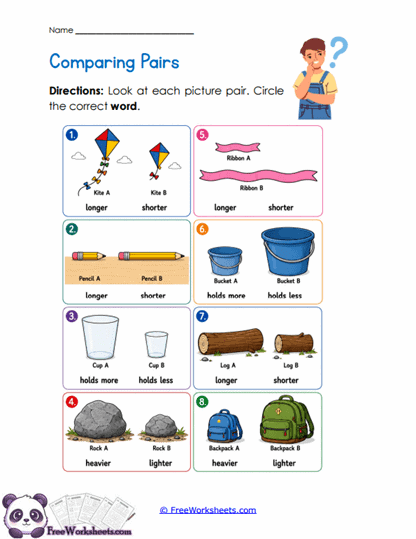
Comparing Length, Weight, And Capacity
Comparing length, weight, and capacity helps children understand how objects can be described and measured in different ways. Try comparing everyday items like pencils, toys, or cups and asking your child which is longer, heavier, or holds more. These activities strengthen measurement vocabulary, observation skills, and mathematical reasoning.
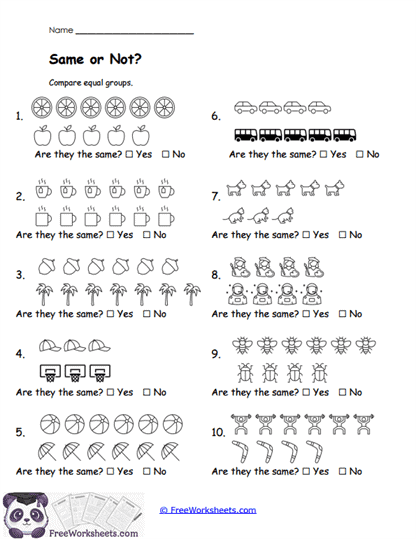
Comparing Up To 10
Comparing numbers up to 10 helps children understand which amounts are greater, smaller, or equal. A simple way to practice is by using groups of objects like blocks or coins and asking your child which group has more or less. These activities strengthen number sense, counting accuracy, and mathematical reasoning skills.
Counting Forward And Back To 10
Counting forward and backward helps children build a stronger understanding of number order and number relationships. Practice counting during everyday routines like walking upstairs or cleaning up toys to make the skill feel natural and consistent. These activities strengthen counting fluency, sequencing, and early math confidence.
Extending Patterns
Extending patterns helps children recognize what comes next by noticing how objects, shapes, or colors repeat in a sequence. Try making simple patterns with blocks, beads, or household items and asking your child to continue them. These activities strengthen pattern recognition, logical thinking, and problem-solving skills.
Identifying And Creating Repeating Patterns
Identifying and creating repeating patterns helps children understand how a sequence follows a predictable rule. Try arranging colored objects, shapes, or snacks in a simple repeating order and asking your child to copy or create a new pattern. These activities strengthen visual discrimination, sequencing, and early algebraic thinking skills.
Identifying And Describing 2D Shapes
Learning to recognize and describe 2D shapes helps children notice patterns and understand how objects are organized in the world around them. Try pointing out shapes in everyday items like signs, windows, or food containers to make practice more meaningful. These activities strengthen spatial awareness, geometry vocabulary, and visual discrimination skills.
Kindergarten Mixed Math Review
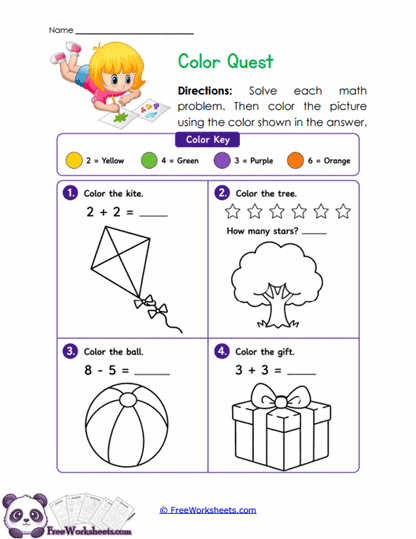
Mixed math review gives children practice with several kindergarten skills while helping them remember what they have already learned. Try working through a few different types of problems at a time and encourage your child to explain how they found each answer. These activities strengthen math fluency, problem-solving, and overall kindergarten math confidence.
Making 10
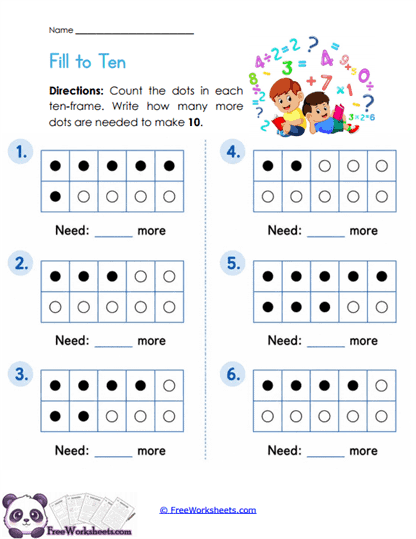
Making 10 helps children understand different number combinations that add together to make 10. Try using fingers, counters, or small toys to build groups of 10 in different ways and talk about how many are in each part. These activities strengthen number bonds, addition readiness, and flexible number sense.
Measuring Using Nonstandard Units
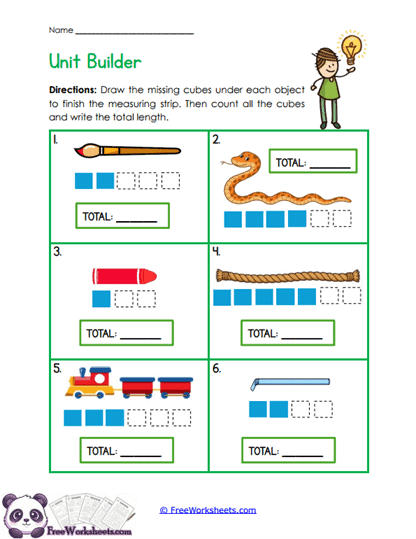
Measuring with nonstandard units helps children understand that length can be found by using equal-sized objects as measuring tools. Try measuring household items with blocks, paper clips, or small toys and comparing the results. These activities strengthen measurement concepts, counting accuracy, and estimation skills.
Recognizing And Naming Numerals
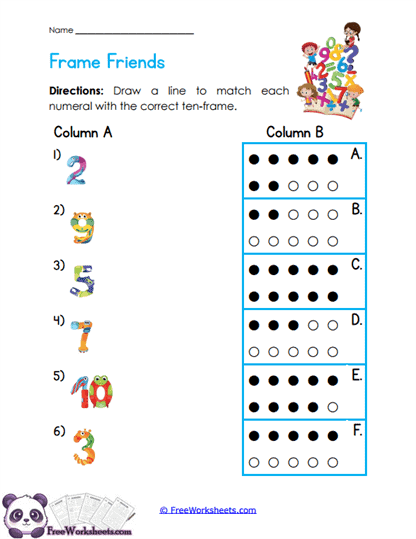
Recognizing and naming numerals helps children connect written number symbols with the numbers they represent. Try pointing out numerals on clocks, signs, calendars, or price tags and asking your child to name each one. These activities strengthen number recognition, number vocabulary, and early counting skills.
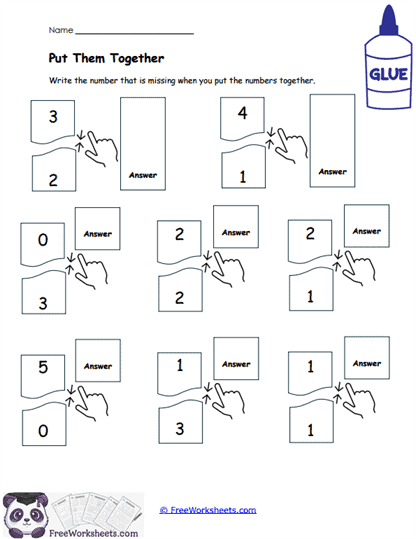
Take Apart Numbers Up To 5
Taking apart numbers helps children understand that numbers can be broken into smaller parts in different ways. A helpful strategy is to use fingers, blocks, or snacks to show different combinations that make the same number. These activities strengthen number relationships, flexible thinking, and early addition readiness skills.
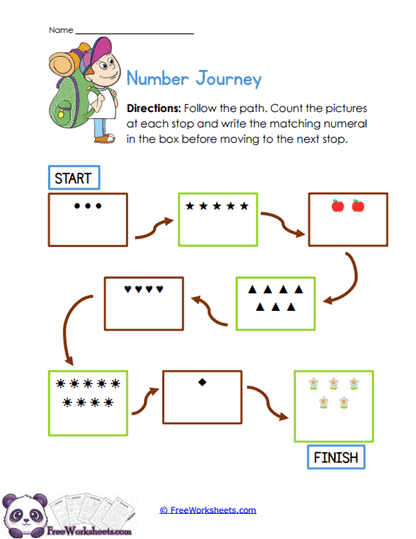
Writing Numerals 0 To 10
Writing numerals from 0 to 10 helps children learn how each number is formed while building a connection between written symbols and quantities. Try having your child trace numbers with a finger in sand, shaving cream, or on paper before writing them independently. These activities strengthen numeral formation, fine motor control, and number recognition.
Reading Foundations
Beginning and Ending Sounds
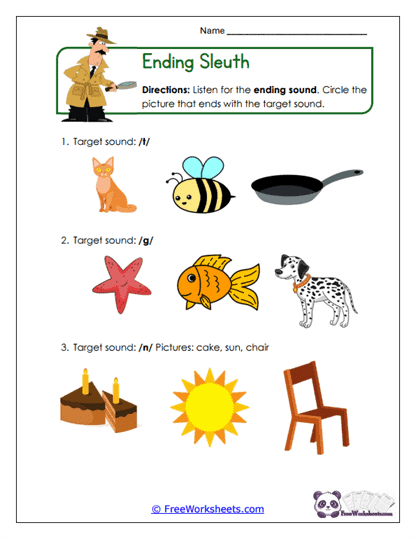
Hearing the beginning and ending sounds in words helps children become stronger readers and spellers. Try slowly saying simple words out loud and asking your child what sound they hear first or last. These activities build phonemic awareness, which is one of the most important early reading skills.
Blending And Segmenting
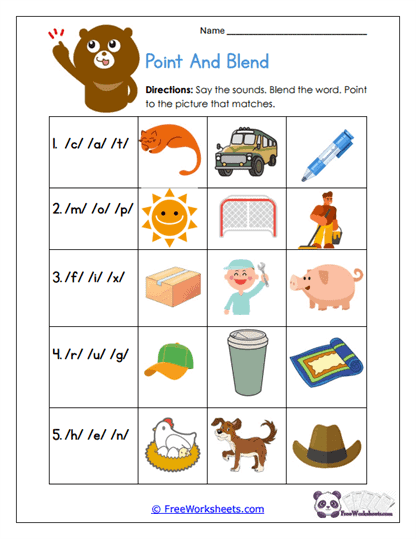
Blending and segmenting help children understand how sounds work together to make words. A great way to practice is by slowly stretching out words like “c-a-t” and having your child blend the sounds together. These worksheets strengthen decoding, spelling, and overall phonics skills.
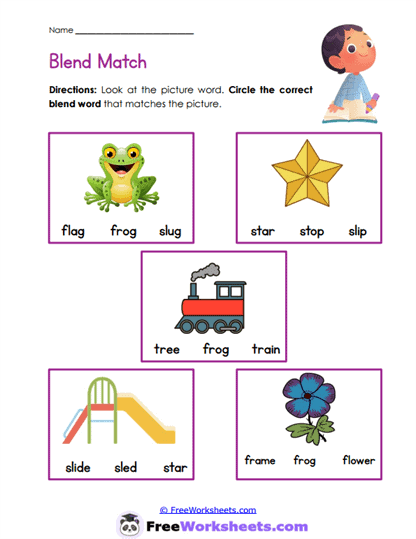
Consonant Blends
Learning consonant blends helps children read longer and more challenging words with confidence. Encourage your child to say each sound in the blend quickly without stopping, like “s-t” in “stop.” These activities strengthen phonics, decoding, and reading fluency skills.
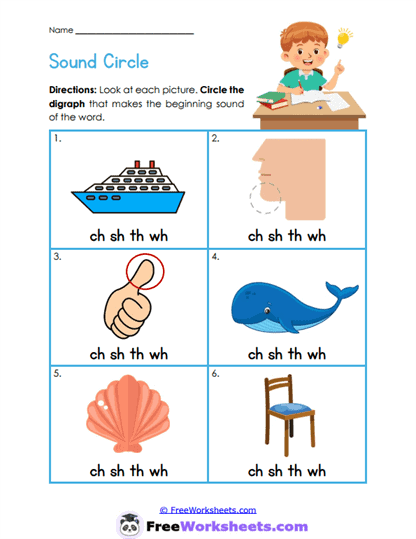
Consonant Digraphs
Consonant digraphs teach children that two letters can work together to make one sound, like “sh” or “ch.” A fun strategy is to have your child hunt for digraph words while reading books or signs around the house. These worksheets build phonics knowledge, decoding, and spelling skills.
Consonants And Vowels
Understanding the difference between consonants and vowels helps children see how words are formed and sounded out. Practice by asking your child to sort magnetic letters or letter cards into vowel and consonant groups. These activities strengthen phonics foundations, spelling, and word-building skills.
Decodable Texts
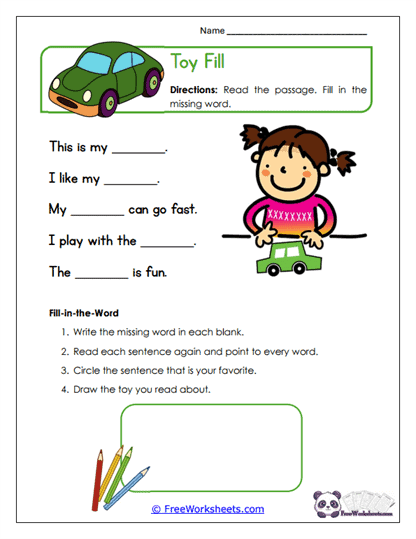
Decodable texts help children practice reading words that match the phonics skills they are currently learning. Encourage your child to point to each word as they read to help them track sounds and build confidence. These activities strengthen decoding, fluency, and independent reading skills.
Inference And Analysis
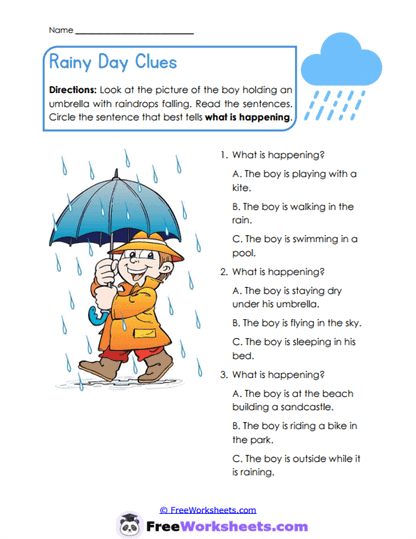
Making simple inferences helps children think about clues in a story instead of only reading the words on the page. Try asking questions like “How do you think the character feels?” even when the answer isn’t directly stated. These worksheets strengthen comprehension, critical thinking, and reading analysis skills.
Kindergarten Fluency Practice
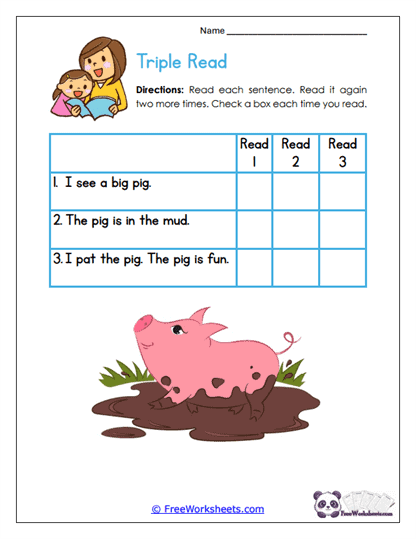
Fluency practice helps children read more smoothly, accurately, and confidently over time. Reading the same short passage a few times can help your child recognize words more quickly and naturally. These activities strengthen reading fluency, word recognition, and comprehension skills.
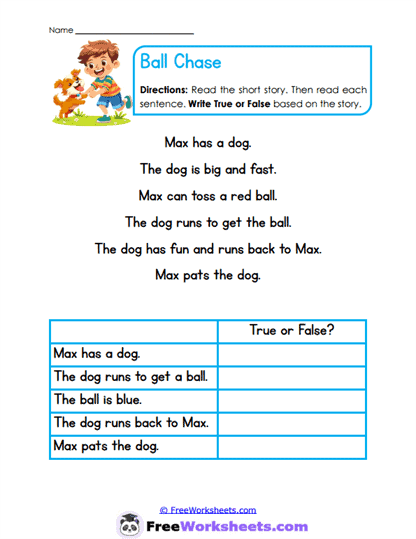
Kindergarten Reading Comprehension
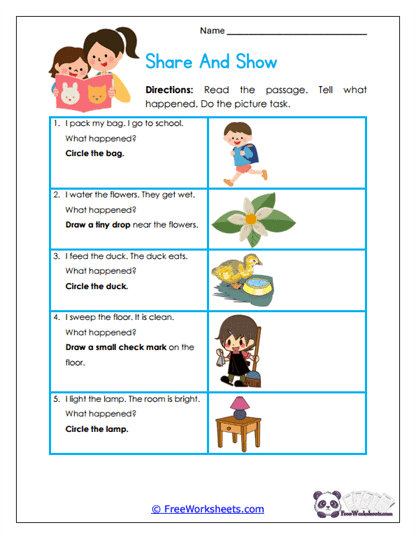
Reading comprehension helps children understand and remember what they read. After reading together, ask simple questions about the story to encourage your child to think about important details. These worksheets build comprehension, vocabulary, and critical thinking skills.
Kindergarten Reading Passages
Short reading passages help children practice reading independently without feeling overwhelmed. A helpful strategy is to let your child reread favorite passages to build comfort and confidence with familiar words. These activities strengthen fluency, decoding, and comprehension skills.
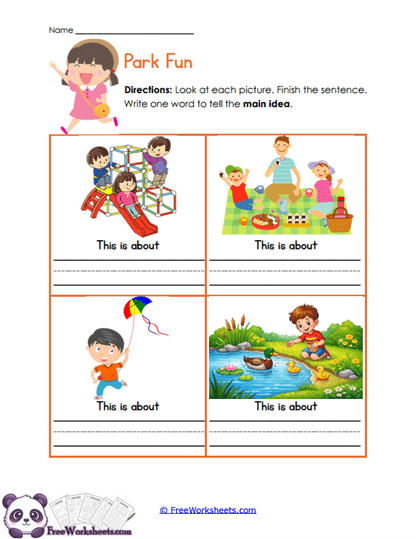
Main Idea
Finding the main idea teaches children how to focus on the most important part of a story or passage. Try asking your child, “What was this mostly about?” after reading together. These worksheets strengthen comprehension, summarizing, and critical thinking skills.
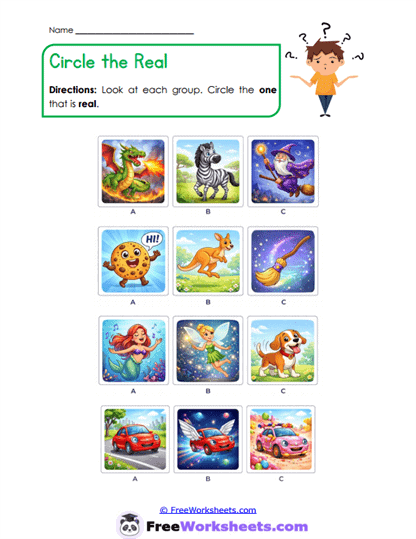
Reality Vs. Fiction
Learning the difference between reality and fiction helps children better understand stories and information they read. Talk about whether events in a story could happen in real life to help your child practice this skill naturally. These activities strengthen comprehension, critical thinking, and reading analysis skills.