
Novel Study Worksheets
These worksheets help students explore complex characters, themes, and author choices across classic and modern texts. These free, ready-to-print PDF worksheets are designed for immediate classroom use or easy at-home learning. Students strengthen skills like analyzing point of view, tracking theme development, evaluating character decisions, and explaining how authors create meaning.
About This Collection of Worksheets
This collection focuses on helping students move beyond simple comprehension and into deeper literary analysis. Each worksheet is built around well-known texts like The Great Gatsby, 1984, The Crucible, and To Kill a Mockingbird. Students learn how authors shape meaning through voice, structure, symbolism, and character development.
Students are guided to think critically about what they read. Many activities ask them to analyze how a narrator’s voice influences meaning, how themes connect to real-world issues, and how characters grow through conflict and decisions. They also practice writing structured responses using evidence, which prepares them for essays and discussions.
The worksheets are designed to build skills step-by-step, from understanding narration and tone to analyzing symbolism, theme development, and moral dilemmas. These resources align with Grade 11 standards and support advanced reading, writing, and critical thinking skills.
Paul’s Teacher Tip
At this level, students should focus on how a story is told, not just what happens. Encourage them to ask, “Why did the author write it this way?” It also helps to compare different parts of a text-early versus later moments-to see how ideas change. If students feel stuck, have them focus on one detail, like a word or sentence, and build their thinking from there. Over time, this leads to stronger and more confident analysis.
Worksheet Collection Skill Spotlights
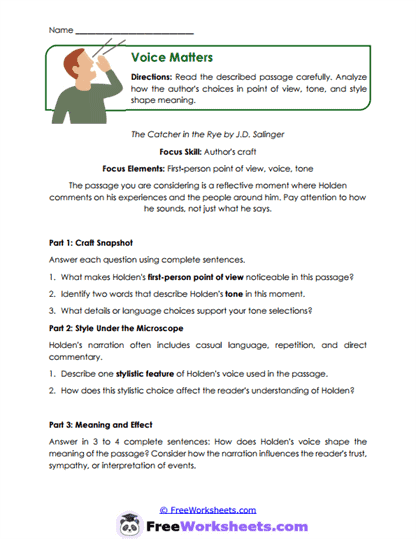
Voice Matters
- What Kids Do:
Students analyze a first-person narrator and explain how voice, tone, and word choice shape meaning. They look closely at how the narrator expresses thoughts and feelings. This helps them understand how storytelling style affects interpretation. - Target Skill:
Students build skills in analyzing point of view and narrative voice. They learn how tone and style influence meaning. This supports deeper literary analysis.
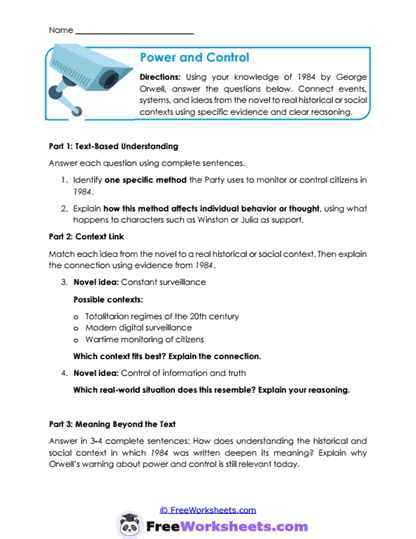
Power and Control
- What Kids Do:
Students explore how control and surveillance affect characters and society in a dystopian text. They connect ideas from the novel to real-world examples. This builds meaningful connections. - Target Skill:
Students strengthen their ability to analyze theme and connect literature to real-world issues. They learn how ideas apply beyond the text. This supports critical thinking.
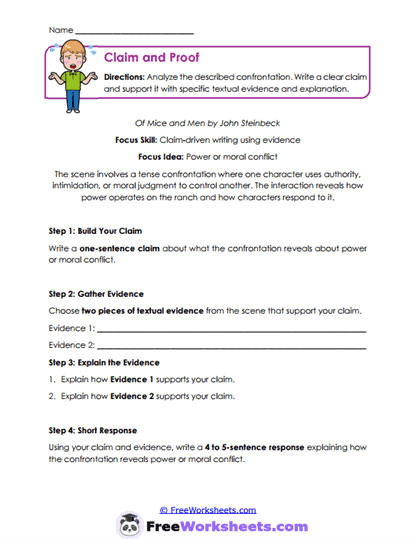
Claim and Proof
- What Kids Do:
Students write a clear claim about a conflict and support it with evidence from the text. They explain how each piece of evidence connects to their idea. This builds strong writing skills. - Target Skill:
Students develop skills in writing arguments using claim, evidence, and reasoning. They learn how to support ideas clearly. This supports academic writing.
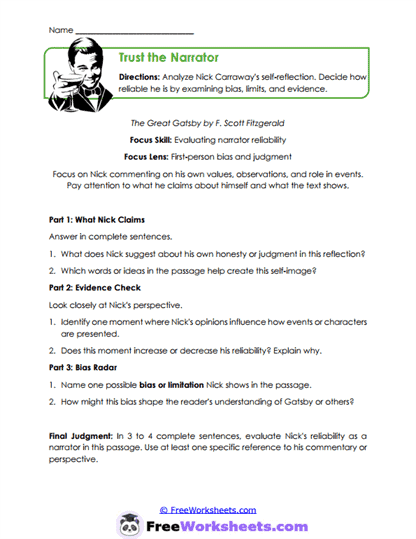
Trust the Narrator
- What Kids Do:
Students evaluate whether a narrator is reliable by comparing statements to actions and events. They decide whether the narrator can be trusted. This builds deeper analysis. - Target Skill:
Students strengthen their ability to analyze point of view and bias. They learn how perspective shapes meaning. This supports critical reading.
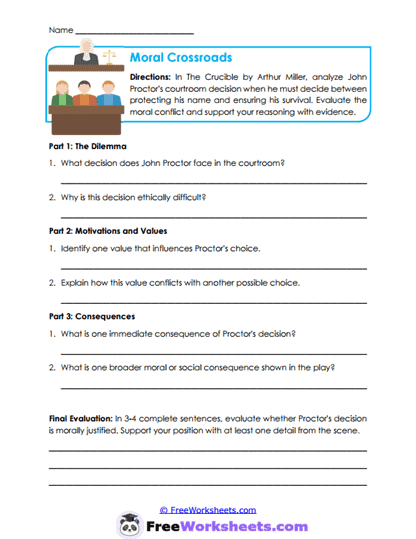
Moral Crossroads
- What Kids Do:
Students analyze a character’s difficult decision and explain the values behind it. They evaluate whether the choice was right or wrong. This encourages thoughtful reasoning. - Target Skill:
Students build skills in analyzing character decisions and moral dilemmas. They learn how choices reveal theme. This supports deeper comprehension.
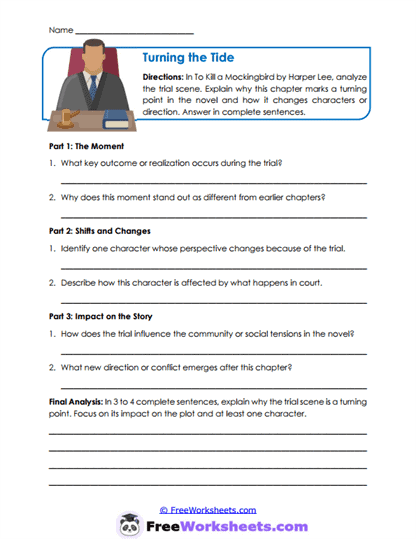
Turning the Tide
- What Kids Do:
Students identify a key turning point in a story and explain how it changes the plot or character understanding. They connect the moment to larger ideas. This builds strong analysis skills. - Target Skill:
Students develop skills in analyzing plot structure and turning points. They learn how events shape meaning. This supports literary comprehension.
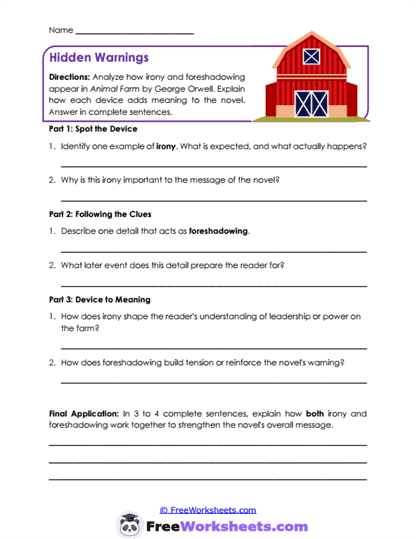
Hidden Warnings
- What Kids Do:
Students identify examples of irony and foreshadowing and explain how they hint at future events. They connect early clues to later outcomes. This builds close reading skills. - Target Skill:
Students strengthen their ability to analyze literary devices and their effects. They learn how authors build meaning over time. This supports interpretation.
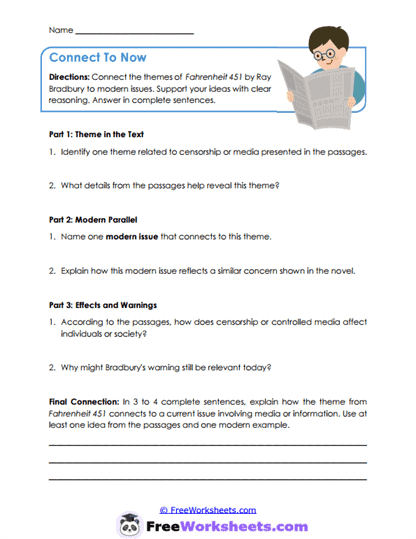
Connect To Now
- What Kids Do:
Students identify a theme and connect it to a modern issue. They explain how ideas from the text still apply today. This makes reading more relevant. - Target Skill:
Students build skills in analyzing theme and making real-world connections. They learn how literature reflects current issues. This supports critical thinking.
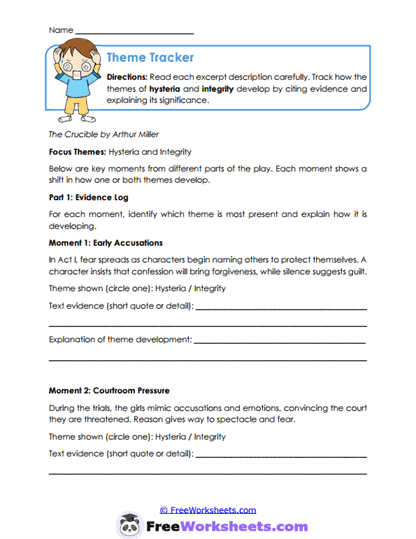
Theme Tracker
- What Kids Do:
Students track how a theme develops across key moments in a text. They use evidence to show how it changes. This helps them understand how ideas grow. - Target Skill:
Students develop skills in analyzing theme development over time. They learn how to support ideas with evidence. This supports advanced reading.
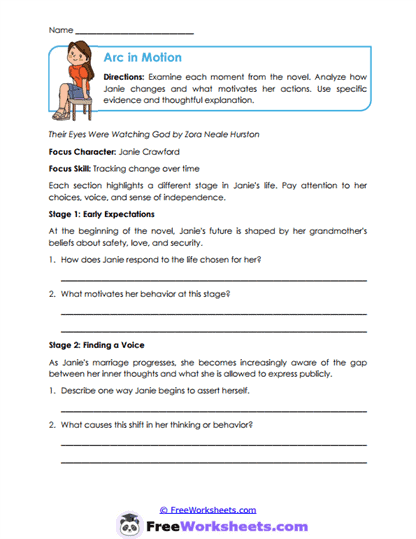
Arc in Motion
- What Kids Do:
Students analyze how a character changes from the beginning to the end of a story. They explain motivations and turning points. This builds understanding of growth. - Target Skill:
Students strengthen their ability to analyze character development. They learn how change shapes meaning. This supports literary analysis.
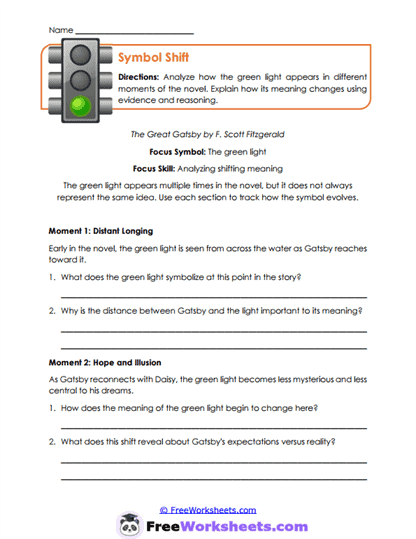
Symbol Shift
- What Kids Do:
Students analyze how a symbol changes meaning throughout a novel. They connect these changes to theme and character. This builds deeper interpretation. - Target Skill:
Students develop skills in analyzing symbolism and how it evolves. They learn how meaning shifts across a text. This supports critical reading.
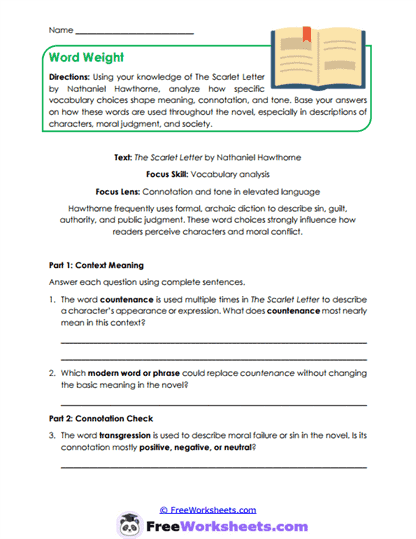
Word Weight
- What Kids Do:
Students analyze word choice and connotation to understand tone. They explain how specific words shape meaning. This builds vocabulary and analysis skills. - Target Skill:
Students improve their ability to analyze diction and tone. They learn how language affects reader understanding. This supports deeper comprehension.