
Nonfiction Book Study Worksheets
These worksheets help students explore complex ideas, evaluate arguments, and connect reading to real-world issues. These free, ready-to-print PDF worksheets are designed for immediate classroom use or easy at-home learning. Students strengthen skills like analyzing central ideas, evaluating evidence, understanding author's purpose, and forming their own informed opinions.
About This Collection of Worksheets
This collection is designed to help students move beyond surface-level reading and into deeper analysis of nonfiction texts. Each worksheet focuses on meaningful, real-world topics like identity, history, health, and ethics. Students learn how authors build arguments, use evidence, and shape ideas through tone and perspective.
Students are guided to think critically about what they read. Many activities ask them to question ideas, compare viewpoints, and explain how evidence supports claims. They also practice writing clear, thoughtful responses that connect reading to larger issues. Over time, students become more confident in analyzing complex texts and expressing their ideas.
The worksheets are designed to build skills step-by-step, from identifying central ideas and purpose to analyzing arguments, evaluating sources, and understanding ethical questions. These resources align with Grade 11 standards and prepare students for advanced reading, writing, and real-world decision-making.
Paul’s Teacher Tip
At this level, students should be asking questions as they read, not just answering them. Encourage them to think, “Do I agree with this?” and “What proof does the author give?” It also helps to talk through ideas before writing them down. If students feel stuck, remind them to focus on one part of the text at a time. Over time, this builds stronger, more independent readers.
Worksheet Collection Skill Spotlights
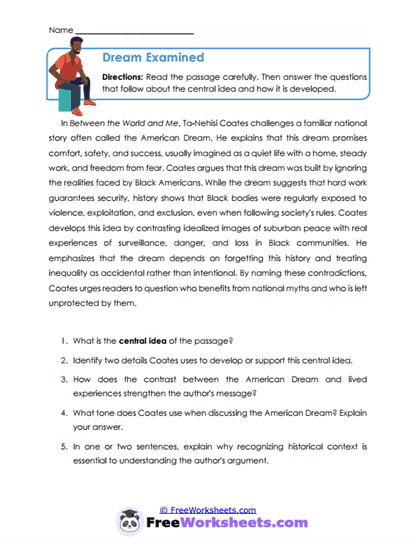
Dream Examined
- What Kids Do:
Students read a powerful nonfiction passage and identify the central idea. They analyze tone and explain how history connects to the author’s message. This helps them think beyond surface meaning. - Target Skill:
Students build skills in identifying central ideas and analyzing tone. They learn how deeper messages are developed in nonfiction. This supports advanced comprehension.
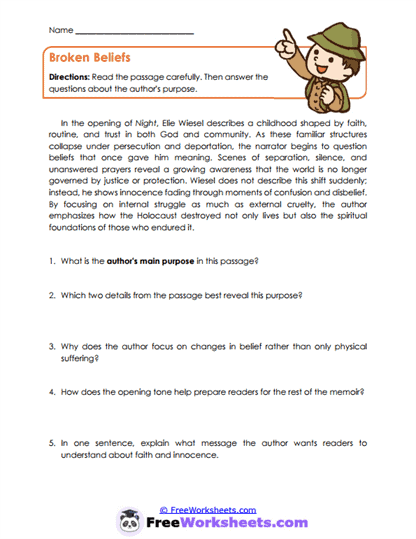
Broken Beliefs
- What Kids Do:
Students analyze an author’s purpose in a memoir and explain how beliefs change over time. They connect details to the author’s message. This builds emotional and analytical understanding. - Target Skill:
Students strengthen their ability to analyze author’s purpose and meaning. They learn how tone and message work together. This supports critical reading.
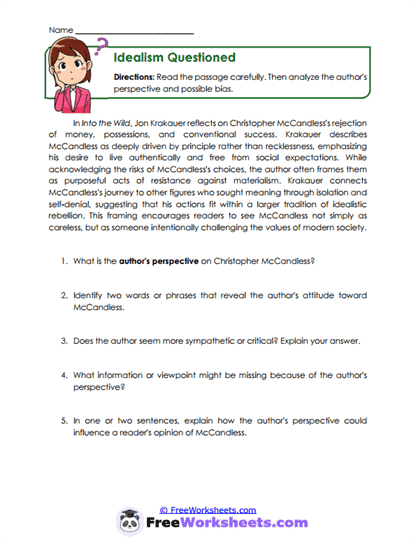
Idealism Questioned
- What Kids Do:
Students identify the author’s perspective and analyze whether it is supportive or critical. They look for words that show bias. This builds awareness of opinion in nonfiction. - Target Skill:
Students develop skills in analyzing perspective and bias. They learn how authors shape meaning through opinion. This supports media literacy.
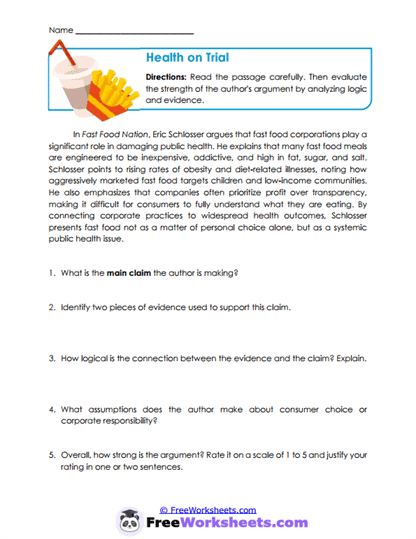
Health on Trial
- What Kids Do:
Students analyze an argument about fast food and identify claims and evidence. They explain how the argument is built. This strengthens reasoning skills. - Target Skill:
Students improve their ability to analyze arguments and evaluate evidence. They learn how claims are supported. This supports writing and analysis.
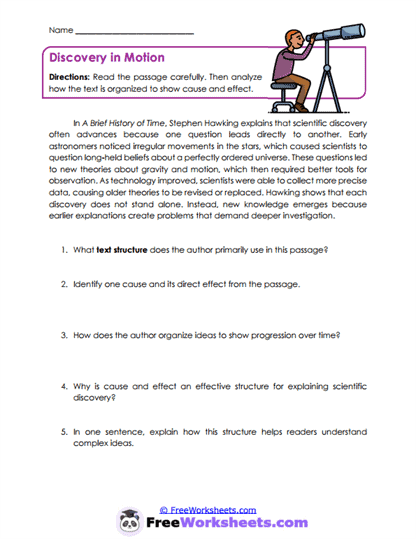
Discovery in Motion
- What Kids Do:
Students identify cause-and-effect relationships in a science passage. They explain how ideas build over time. This helps them understand structure. - Target Skill:
Students build skills in analyzing informational text structure. They learn how cause and effect shapes meaning. This supports comprehension.
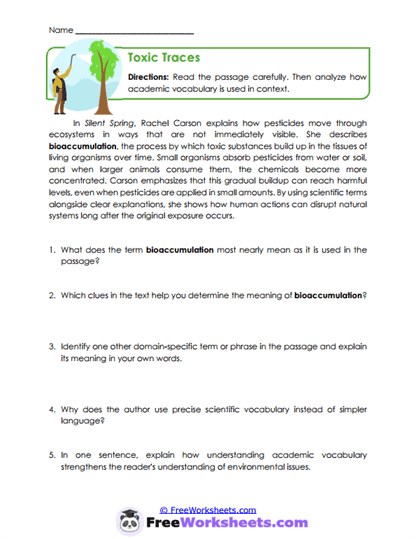
Toxic Traces
- What Kids Do:
Students use context clues to determine the meaning of complex vocabulary words. They explain how these words connect to the topic. This builds independence. - Target Skill:
Students strengthen vocabulary skills using context clues. They learn how word meaning supports understanding. This supports reading fluency.
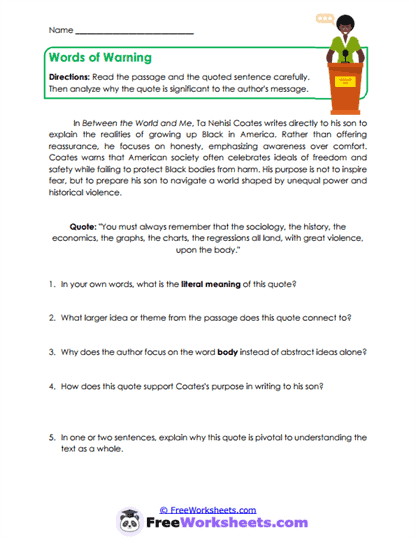
Words of Warning
- What Kids Do:
Students analyze a powerful quote and explain how it connects to the overall message. They reflect on word choice and deeper meaning. This builds careful reading. - Target Skill:
Students develop skills in analyzing key details and connecting them to central ideas. They learn how authors build meaning piece by piece. This supports interpretation.
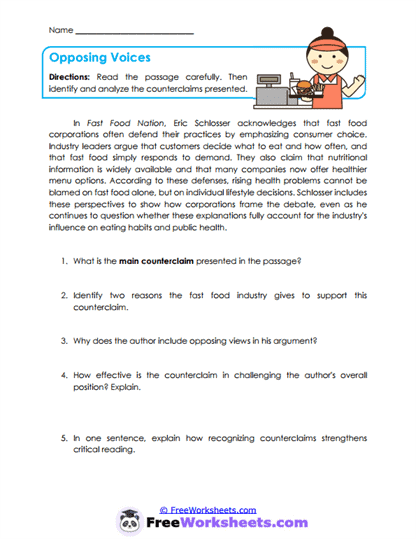
Opposing Voices
- What Kids Do:
Students identify counterclaims in an argument and explain why they are included. They analyze multiple viewpoints. This builds balanced thinking. - Target Skill:
Students strengthen their ability to analyze arguments and opposing views. They learn how multiple perspectives shape understanding. This supports critical thinking.
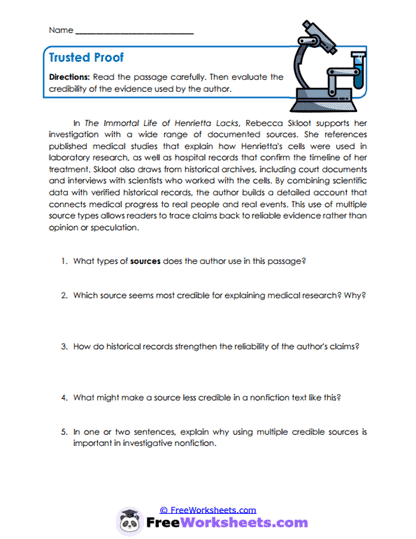
Trusted Proof
- What Kids Do:
Students evaluate sources in a passage and decide which are most credible. They explain their reasoning. This builds real-world reading skills. - Target Skill:
Students develop skills in evaluating evidence and credibility. They learn how to judge reliable information. This supports research and analysis.
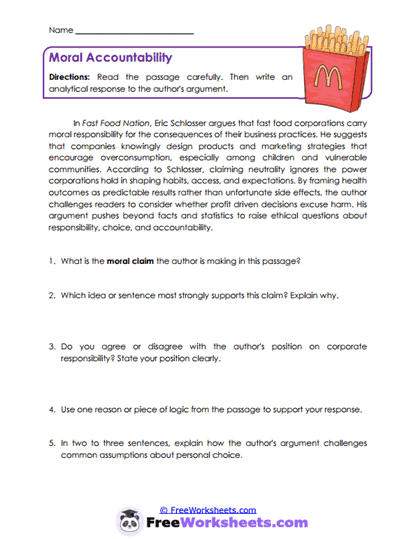
Moral Accountability
- What Kids Do:
Students analyze a moral argument and explain the author’s claim. They share their own opinion with supporting reasons. This connects reading to real-world thinking. - Target Skill:
Students build skills in analyzing ethical arguments and forming supported opinions. They learn how to connect ideas to values. This supports writing and reasoning.
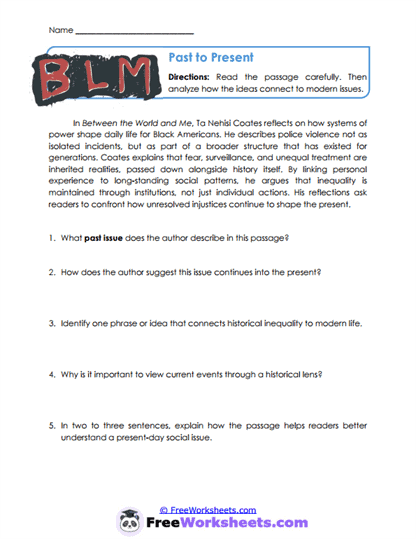
Past to Present
- What Kids Do:
Students connect historical events to modern issues in a passage. They explain how the past shapes the present. This builds deeper understanding. - Target Skill:
Students strengthen their ability to analyze connections across time. They learn how ideas develop across contexts. This supports comprehension.
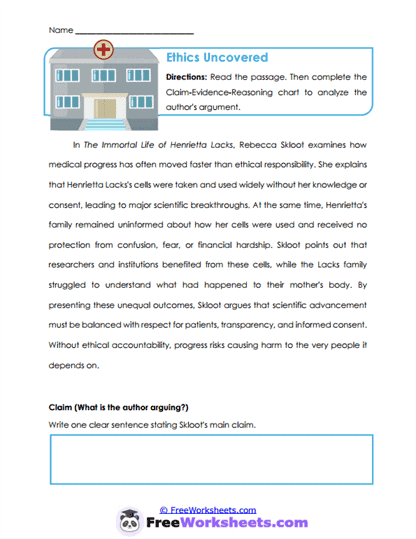
Ethics Uncovered
- What Kids Do:
Students break down an argument into claim, evidence, and reasoning. They explain how each part works together. This builds structured thinking. - Target Skill:
Students develop skills in analyzing arguments using clear structure. They learn how to organize and explain ideas. This supports academic writing.