
Behavior Worksheets
Behavior Worksheets help students build essential self-management and decision-making skills for school success. These free, ready-to-print PDF worksheets are designed for immediate classroom use in a variety of learning settings. Students strengthen social awareness, executive functioning, sequencing, and cause-and-effect reasoning through structured, skill-based activities.
Behavior Expectations
About This Collection of Worksheets
Strong behavior skills help classrooms run smoothly and give students the structure they need to succeed academically. This collection focuses on the everyday habits students need for learning, including self-control, responsibility, respectful communication, following directions, decision-making, and positive peer interaction.
The worksheets are designed to help students think through real-world behavior situations while practicing accountability, emotional awareness, conflict resolution, and classroom expectations. Activities encourage students to reflect on choices, understand consequences, manage emotions, and build stronger independent learning habits across school settings.
Whether used in elementary classrooms, middle school advisory, behavior intervention programs, counseling sessions, or at home, these printable worksheets support the social and behavioral skills students need for long-term academic and personal success.
Why Teachers Use This Collection
- Classroom behavior reinforcement activities
- Following directions practice pages
- Conflict resolution skill support
- Respect and responsibility lessons
- Morning meeting discussion activities
- RTI and intervention resources
- Student reflection worksheets
- Counseling and SEL support
- Low-prep printable materials
- Positive behavior reinforcement
Why Homeschoolers & Parents Use This Collection
- Respect and responsibility practice
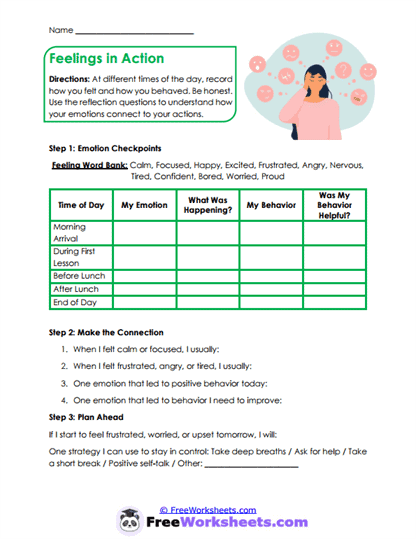
- Emotional regulation skill building
- Home behavior support activities
- Printable reflection worksheets
- Communication skill reinforcement
- Screen-free learning activities
- Decision-making skill development
- Problem-solving practice pages
- Daily routine behavior support
- Real-world life skill practice
A Look At The Worksheet Collections
Behavior Expectations
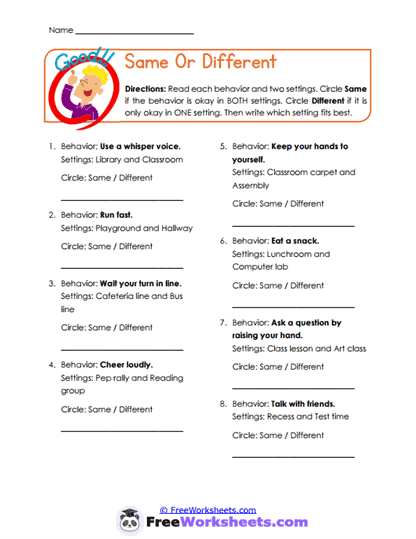
Behavior by Setting
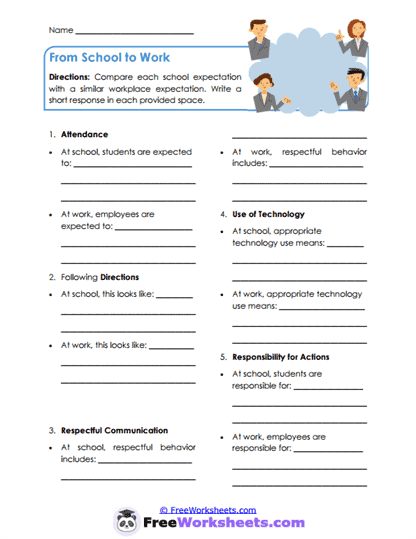
Children need to learn that the behavior expected at recess may be different from what’s expected in the classroom or cafeteria. A helpful way to practice is by talking through real-life situations and asking, “Would this be a good choice here?” These activities build social awareness, self-regulation, and everyday decision-making skills.
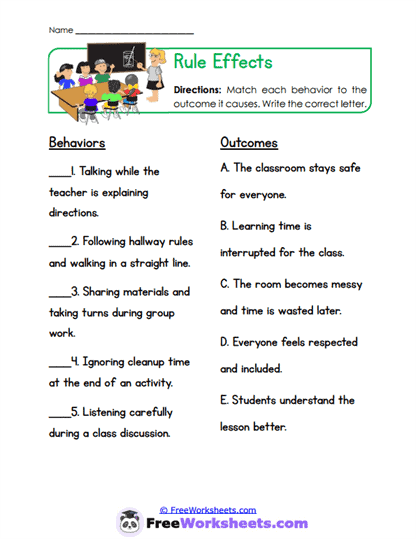
Classroom Rules & Expectations
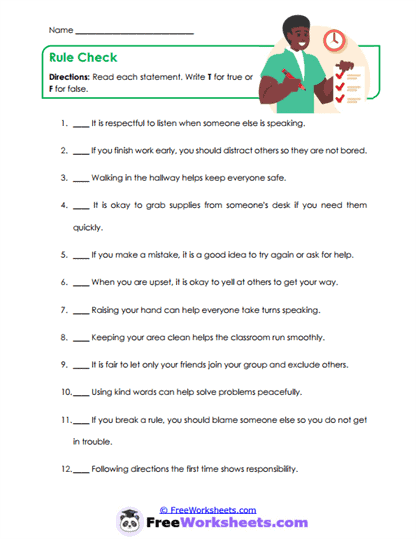
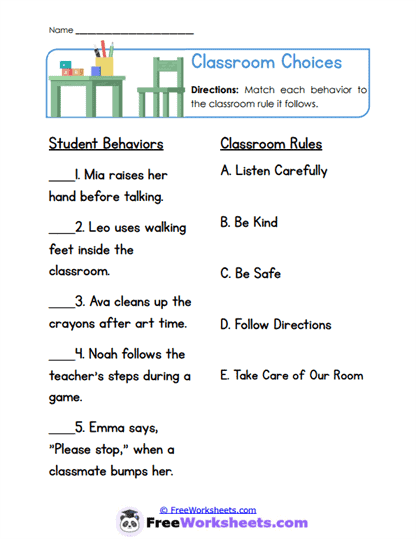
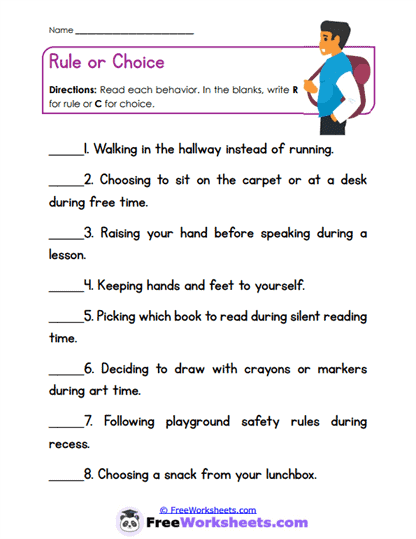
Understanding classroom rules helps children feel more confident, successful, and prepared at school. Try reviewing one classroom expectation at a time and discussing why it helps everyone learn safely and respectfully. These worksheets strengthen responsibility, cooperation, and positive classroom behavior.
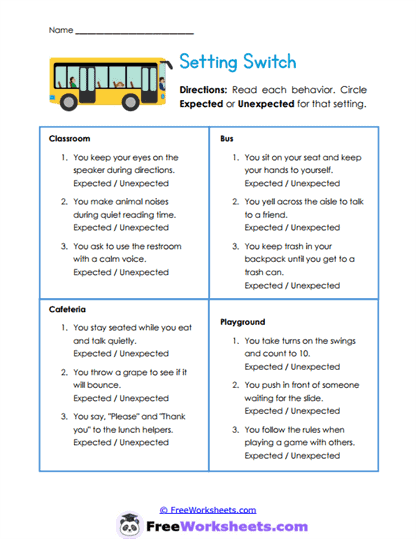
Expected vs Unexpected Behaviors
Learning the difference between expected and unexpected behaviors helps children better understand how their actions affect others. A simple strategy is to role-play common situations and ask your child which choices would help or disrupt the group. These activities build self-awareness, social thinking, and decision-making skills.
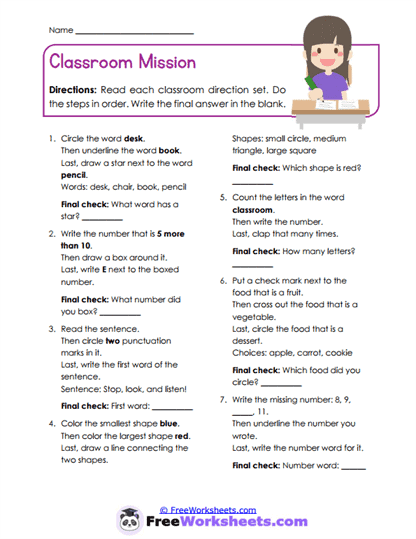
Following Directions
Following directions is an important skill that helps children succeed both in school and at home. Practice by giving short multi-step directions during everyday routines like cleanup time or getting ready for bed. These worksheets strengthen listening comprehension, attention, and executive functioning skills.
General Expectations
Understanding everyday school expectations helps children feel more comfortable and independent throughout the day. Talking through common situations ahead of time can help your child know what choices are expected in different settings. These activities support responsibility, self-regulation, and positive social behavior.
Positive Behaviors
Practicing positive behaviors helps children build strong relationships and feel more confident in social situations. Try praising specific behaviors like sharing, listening, or helping others so your child clearly understands what they did well. These worksheets strengthen social-emotional learning, self-awareness, and positive decision-making skills.
Respectful Classroom Behavior
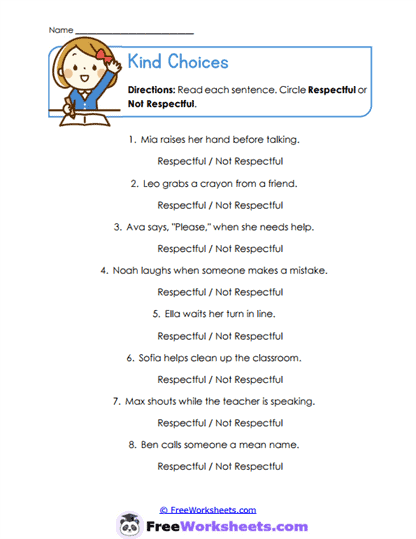
Learning respectful classroom behavior helps children create positive relationships with teachers and classmates. A great way to reinforce this skill is by modeling respectful language and taking turns during conversations at home. These activities build cooperation, empathy, and social communication skills.
School Rules
School rules help children stay safe, respectful, and ready to learn throughout the day. Try asking your child why they think certain rules exist to help them understand the purpose behind them instead of simply memorizing them. These worksheets strengthen responsibility, self-regulation, and classroom readiness skills.
Student Code of Conduct
Understanding a student code of conduct helps children see how their choices affect the entire school community. Talking through real-life examples of fairness, honesty, and responsibility can make these ideas easier for children to understand. These activities support social-emotional learning, accountability, and positive behavior development.
Behavior Monitoring
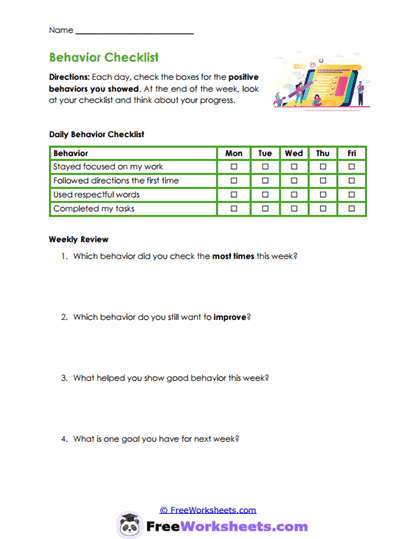
Behavior Checklist
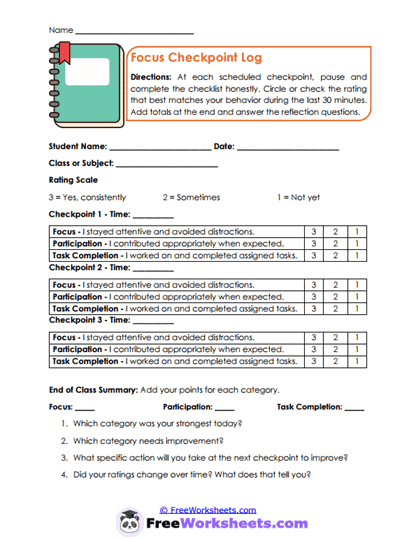
Keeping track of daily routines can feel overwhelming for young learners, but simple checklists make a world of difference. Try reviewing a quick checklist together before the day starts to set clear, manageable goals for your child. These worksheets strengthen independence, task completion, and self-management skills.
Behavior Data Collection
Understanding patterns in your child’s behavior is the first step toward encouraging positive, lasting habits. Taking quick, simple notes during different times of the day can help you spot what triggers certain actions and what strategies work best. These activities support problem-solving, behavioral awareness, and data-informed decision-making.
Behavior Logs
Consistent communication between home and school helps children feel supported every step of the way. Try using a quick daily log to celebrate the bright spots in your child’s day and gently reflect on moments that need practice. These worksheets strengthen family-school connection, self-reflection, and positive communication skills.
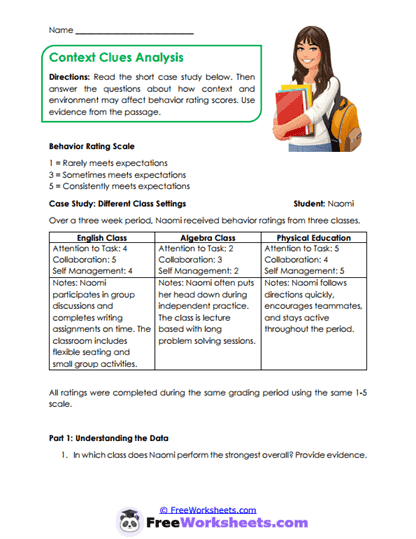
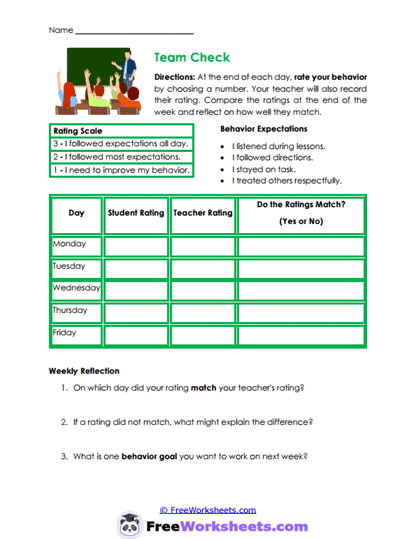
Behavior Rating Scales
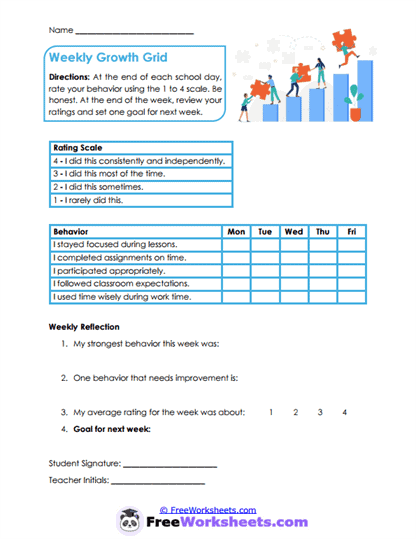
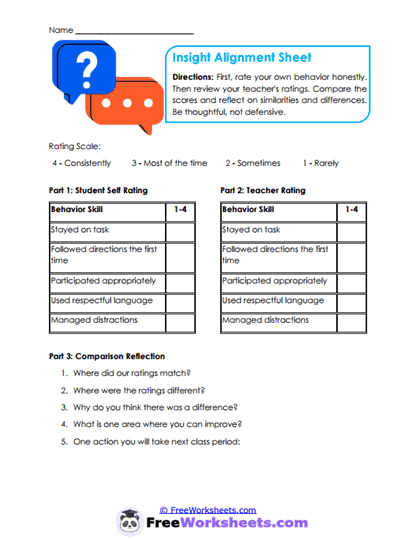
Measuring growth in specific behavioral areas helps parents and teachers stay on the exact same page. Try evaluating target behaviors over time to pinpoint where your child excels and where they might need a little extra encouragement. These tools support goal-setting, emotional regulation, and social-emotional growth.
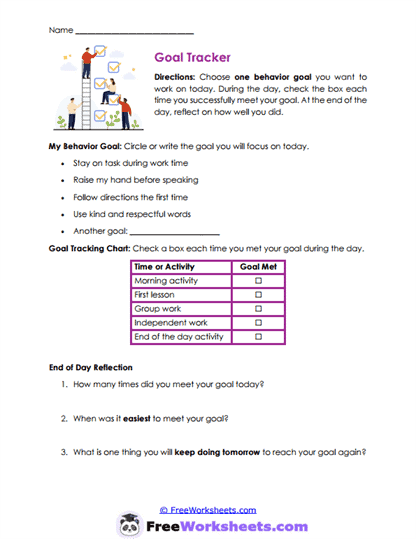
Behavior Tracking
Watching positive habits take shape builds incredible confidence and momentum for kids. Practice tracking one specific goal at a time so your child can clearly see their daily progress add up over time. These worksheets strengthen accountability, self-awareness, and personal responsibility.
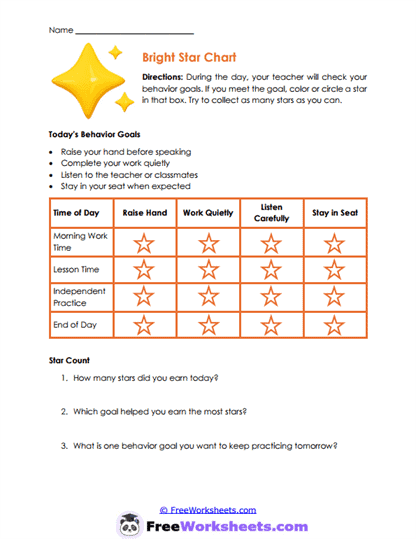
Daily Behavior Charts
Breaking the school day into smaller chunks makes big behavior goals feel completely approachable. Try celebrating small successes throughout the morning and afternoon to keep your child motivated and focused. These charts build daily routines, positive reinforcement, and self-regulation skills.
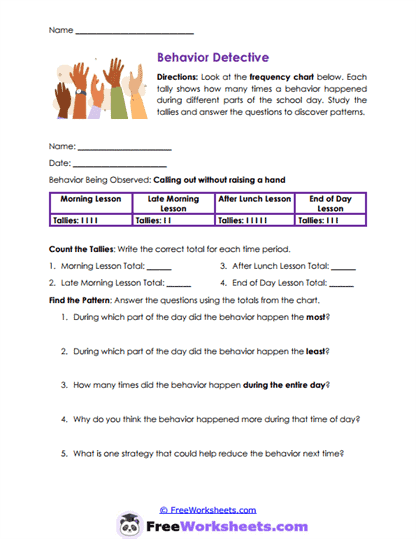
Frequency Tracking
Counting how often positive choices happen is a great way to highlight your child’s daily effort. Try keeping a simple tally together when practicing skills like raising a hand or waiting patiently. These worksheets strengthen active listening, patience, and goal-oriented behaviors.
Progress Monitoring
Looking at long-term progress helps you celebrate true growth rather than just single isolated moments. Reviewing trends over several weeks gives you a clear picture of how your child’s habits are changing over time. These printables support long-term goal tracking, reflection, and continuous behavioral growth.
Self-Monitoring Sheets
Teaching children to reflect on their own choices builds true independence in and out of the classroom. Try encouraging your child to pause and check off their own accomplishments during study or chore time. These activities build self-reflection, internal motivation, and self-regulation skills.
Weekly Behavior Charts
Looking at the whole week helps kids learn that one tough moment doesn’t ruin their entire progress. Try setting a weekly goal together and reviewing achievements on Friday afternoon to build a sense of pride. These charts strengthen resilience, long-term planning, and positive decision-making skills.