
8th Grade Reading Passages Worksheets
These worksheets give students meaningful practice with real-world texts and deeper comprehension skills. These free, ready-to-print PDF format worksheets are perfect for classroom lessons or at-home support. Students build skills in analyzing arguments, identifying themes, evaluating evidence, and understanding author choices.
About This Collection of Worksheets
This collection is designed to help students move beyond basic comprehension and into deeper thinking about what they read. Each passage is paired with targeted questions that guide students to analyze structure, meaning, and author choices. Instead of just finding answers, students learn how to explain their thinking using evidence.
The topics are engaging and relevant to middle school students, including technology, environment, personal challenges, and social issues. This helps students stay interested while practicing important reading skills. The variety of text types-informational, narrative, and argumentative-also gives students experience with different styles of writing.
As students work through these passages, they build confidence in handling more complex texts. They learn to recognize how ideas are organized, how arguments are supported, and how meaning is developed. Over time, this strengthens both reading and writing skills.
Paul’s Teacher Tip
One of the biggest shifts in 8th grade reading is helping students explain why an answer is correct, not just find it. I always encourage students to point directly to the text and say, “This is the part that proves it.” You can even have them underline or highlight their evidence before answering. Another helpful strategy is to ask follow-up questions like, “How do you know?” or “What makes that the strongest evidence?” These small habits build much stronger readers over time.
Worksheet Collection Skill Spotlights
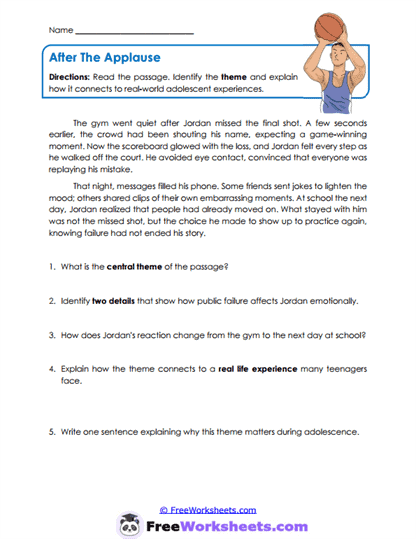
After The Applause
- What Kids Do:
Students read a story about a student dealing with failure and track how the character’s emotions change over time. They identify key details that show growth and connect the story to real-life experiences. - Target Skill:
Students build the ability to identify theme and connect it to real-world meaning. This strengthens deeper comprehension and helps students move beyond retelling to interpretation.
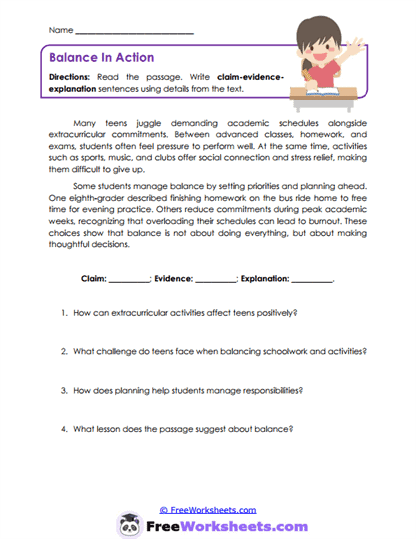
Balance In Action
- What Kids Do:
Students read a passage about balancing responsibilities and complete a structured response using claim, evidence, and explanation. They organize their thinking and clearly support their ideas. - Target Skill:
Students develop strong written response skills by connecting claims to evidence and explaining their reasoning. This supports both reading comprehension and writing development.
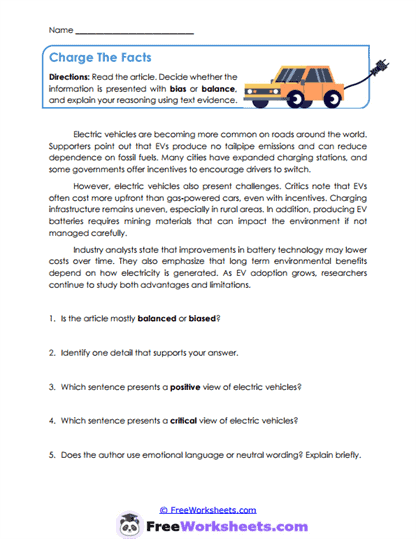
Charge The Facts
- What Kids Do:
Students read about electric vehicles and decide whether the text is balanced or biased. They identify supporting details and analyze how both positive and negative viewpoints are presented. - Target Skill:
Students strengthen their ability to evaluate bias and balance in informational texts. This builds critical thinking and media literacy skills.
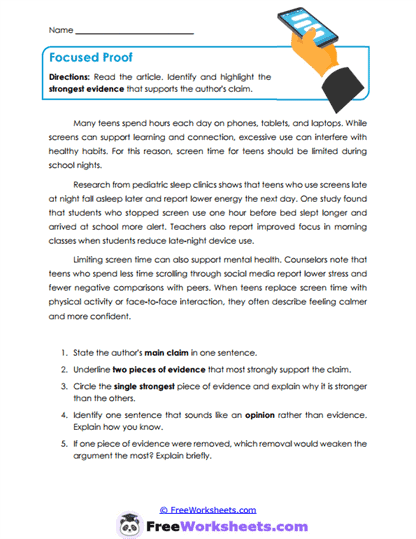
Focused Proof
- What Kids Do:
Students read a passage about screen time and analyze multiple pieces of evidence. They decide which piece is strongest and explain why it best supports the claim. - Target Skill:
Students build skill in evaluating evidence by comparing strength and relevance. This supports deeper understanding of how arguments are constructed.
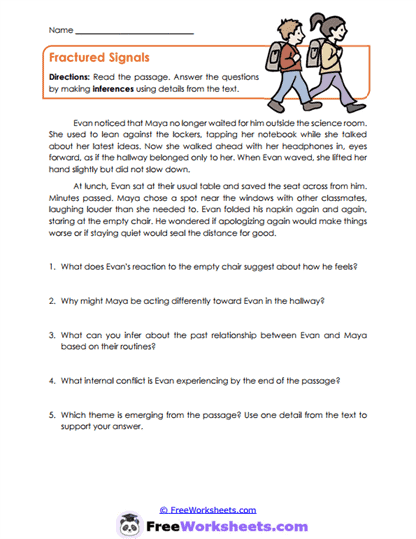
Fractured Signals
- What Kids Do:
Students read a narrative about a changing friendship and make inferences about character relationships. They use clues from the text to explain what is happening beneath the surface. - Target Skill:
Students develop inference skills by using evidence to draw conclusions. This supports higher-level comprehension and interpretation.
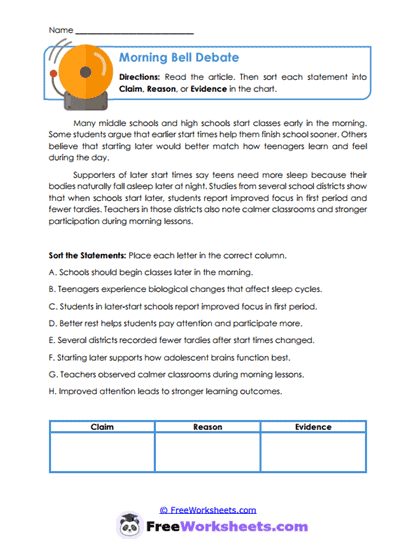
Morning Bell Debate
- What Kids Do:
Students read about school start times and sort statements into claim, reason, and evidence categories. They analyze how arguments are built step by step. - Target Skill:
Students strengthen their ability to analyze argument structure by identifying claims, reasons, and evidence. This supports critical reading and writing skills.
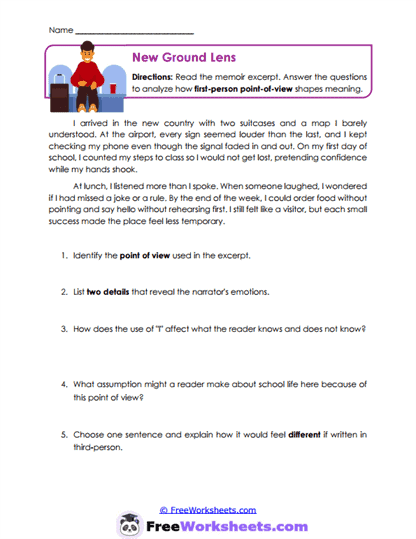
New Ground Lens
- What Kids Do:
Students read a first-person narrative and examine how the narrator’s perspective shapes the story. They identify emotions and consider how limited viewpoint affects understanding. - Target Skill:
Students build understanding of point of view and how it influences meaning. This supports deeper analysis of narrative texts.
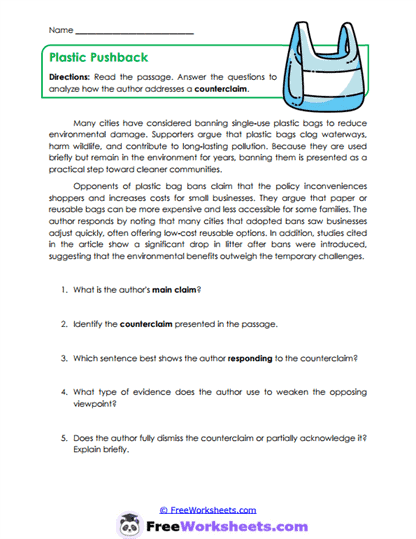
Plastic Pushback
- What Kids Do:
Students read an argument about plastic use and identify the claim, counterclaim, and response. They analyze how the author addresses opposing viewpoints. - Target Skill:
Students develop skills in analyzing arguments by identifying counterclaims and evaluating how they are addressed. This supports critical thinking and reasoning.
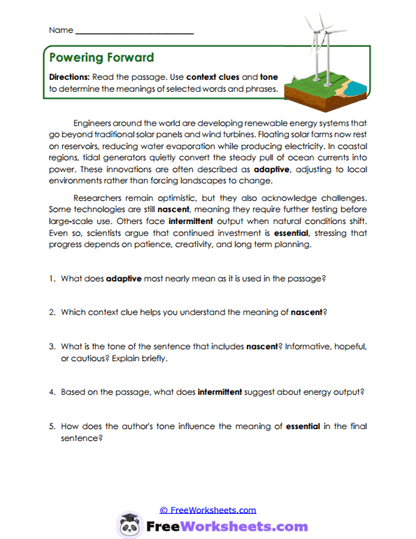
Powering Forward
- What Kids Do:
Students read about renewable energy and use context clues to figure out word meanings. They also analyze how tone affects understanding. - Target Skill:
Students strengthen vocabulary skills by using context clues and analyzing tone. This supports comprehension of complex texts.
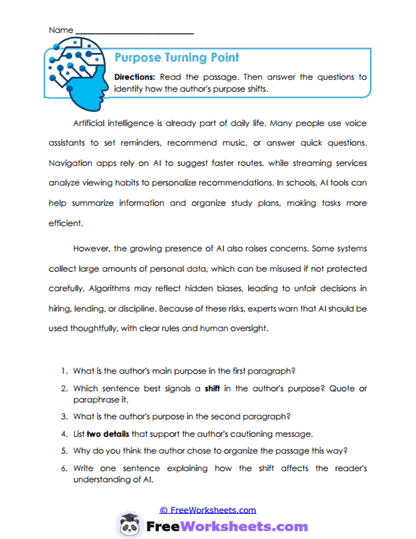
Purpose Turning Point
- What Kids Do:
Students read a passage about artificial intelligence and identify where the author’s purpose shifts. They explain how this change affects the overall message. - Target Skill:
Students build skill in analyzing author’s purpose and recognizing shifts in meaning. This supports deeper understanding of informational texts.
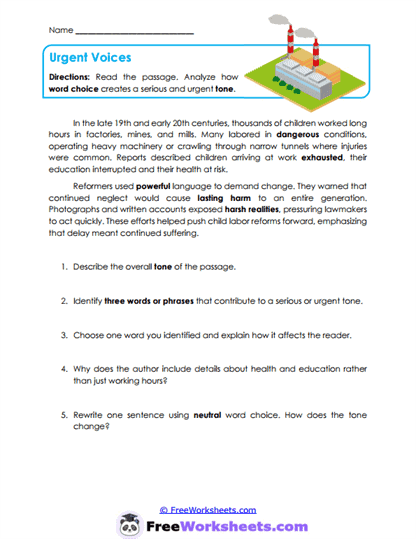
Urgent Voices
- What Kids Do:
Students read a passage about child labor and analyze how word choice creates an urgent tone. They identify key phrases and explain their impact. - Target Skill:
Students develop the ability to analyze tone and word choice to understand author’s purpose. This supports deeper interpretation of texts.
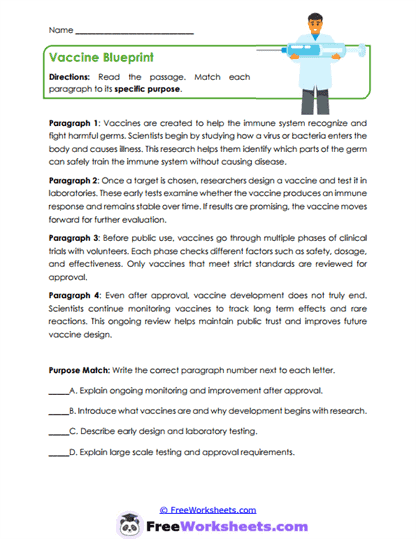
Vaccine Blueprint
- What Kids Do:
Students read a multi-paragraph passage and identify the purpose of each section. They analyze how the text is organized and how ideas build over time. - Target Skill:
Students strengthen their understanding of text structure by analyzing how paragraphs work together. This supports comprehension of complex informational texts.