
Novel Study Worksheets
These worksheets help students dive deeper into full-length texts while building strong comprehension and analysis skills. These free, ready-to-print PDF format worksheets are perfect for classroom novel units or at-home reading support. Students develop skills in analyzing theme, character development, plot structure, and author's craft across classic and modern literature.
About This Collection of Worksheets
This collection is designed to help students move beyond simply reading a novel and into truly understanding how it works. Each worksheet focuses on an important literary skill, such as theme, character growth, or point of view. Students are guided to look closely at key moments in a story and explain what those moments reveal about bigger ideas.
The worksheets are built around well-known and engaging texts that students often study in middle school. This helps them connect their learning directly to what they are already reading in class. As they work through these activities, students begin to see patterns in how authors develop meaning over time.
These activities also support stronger writing and discussion skills. Students are encouraged to use evidence, explain their thinking clearly, and consider different perspectives. Over time, they become more confident readers who can analyze complex texts with deeper understanding.
Paul’s Teacher Tip
When students are working through a novel, it’s easy for them to get stuck on “what happened” instead of “what it means.” I always encourage them to pause after important scenes and ask, “Why does this moment matter?” Another helpful strategy is keeping a simple reading journal where they jot down key events and what those events reveal about theme or character. These small habits make a big difference when it’s time to analyze the text more deeply.
Worksheet Collection Skill Spotlights
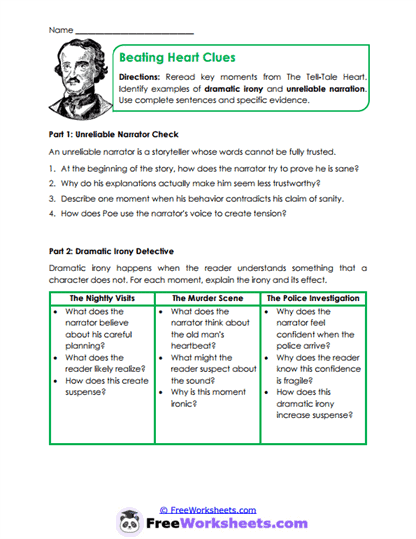
Beating Heart Clues
- What Kids Do:
Students analyze a narrator’s behavior and identify clues that show the narrator is unreliable. They also examine moments of dramatic irony and explain how these create suspense. - Target Skill:
Students build the ability to analyze point of view and narrative techniques. This supports deeper understanding of how authors create tension.
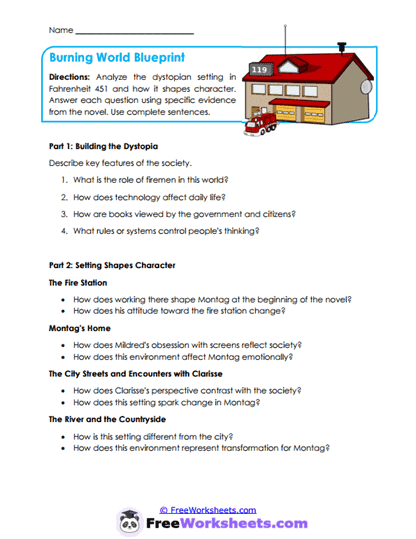
Burning World Blueprint
- What Kids Do:
Students explore a dystopian setting and describe how it shapes characters’ actions and beliefs. They connect specific details about the world to character development. - Target Skill:
Students strengthen their ability to analyze how setting influences character and theme. This supports deeper comprehension of complex texts.
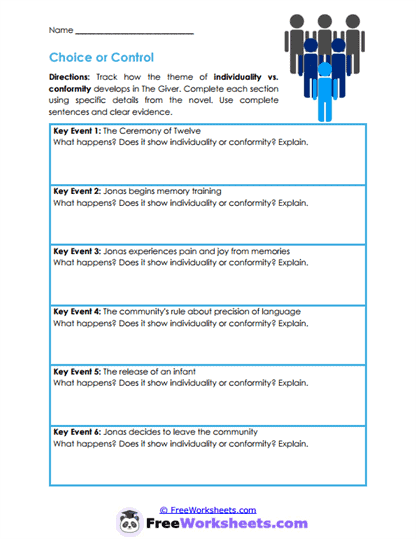
Choice or Control
- What Kids Do:
Students examine key events and determine whether they reflect individuality or conformity. They explain how these moments connect to the overall theme. - Target Skill:
Students build skill in analyzing theme development across a text. This supports understanding of how ideas unfold over time.
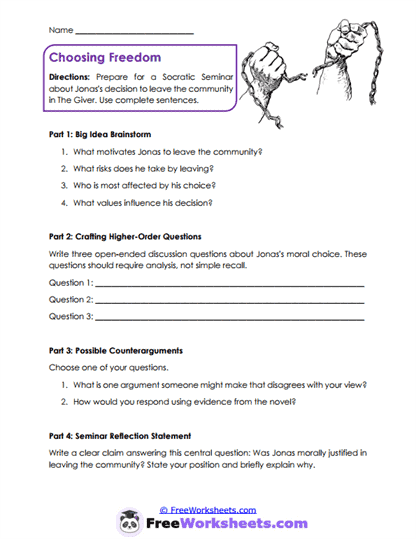
Choosing Freedom
- What Kids Do:
Students reflect on a character’s major decision and evaluate the reasoning behind it. They consider risks, motivations, and possible counterarguments. - Target Skill:
Students develop the ability to analyze character decisions and support claims with evidence. This strengthens critical thinking and discussion skills.
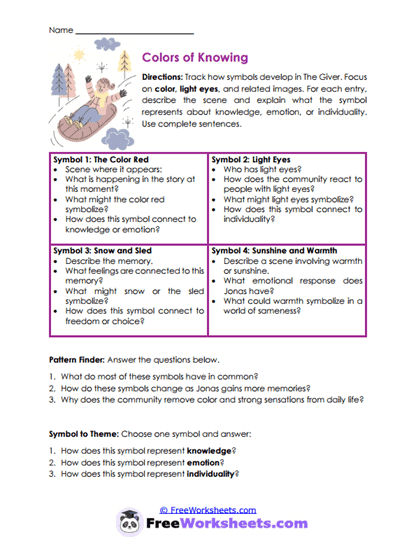
Colors of Knowing
- What Kids Do:
Students track symbols throughout a novel and explain what each one represents. They connect these symbols to larger themes like knowledge and individuality. - Target Skill:
Students strengthen their ability to analyze symbolism and connect it to theme. This supports deeper literary interpretation.
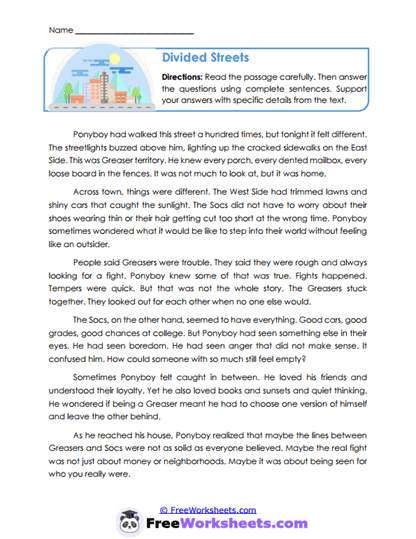
Divided Streets
- What Kids Do:
Students read a narrative passage and identify the main idea using supporting details. They explain how the passage connects to larger themes. - Target Skill:
Students build skills in identifying central ideas and supporting them with evidence. This supports strong comprehension.
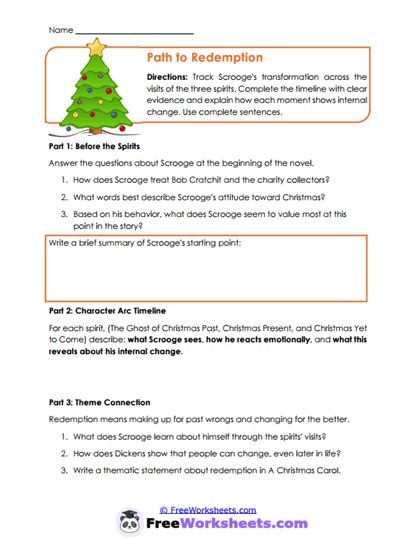
Path to Redemption
- What Kids Do:
Students track a character’s transformation over time by analyzing key events. They explain how these changes connect to the theme of redemption. - Target Skill:
Students develop understanding of character development and how it reveals theme. This supports deeper analysis of literature.
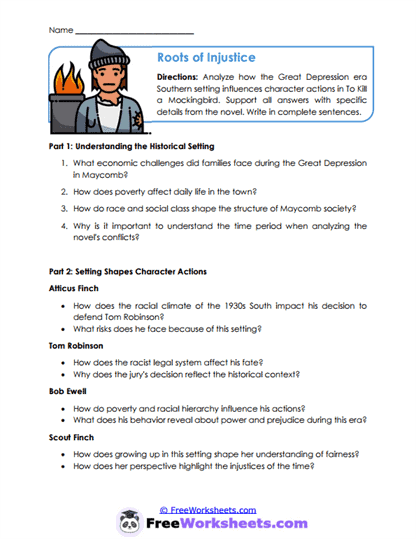
Roots of Injustice
- What Kids Do:
Students analyze how historical setting influences characters and events. They connect social and economic conditions to character decisions. - Target Skill:
Students strengthen their ability to analyze how context shapes meaning. This supports deeper understanding of literature.
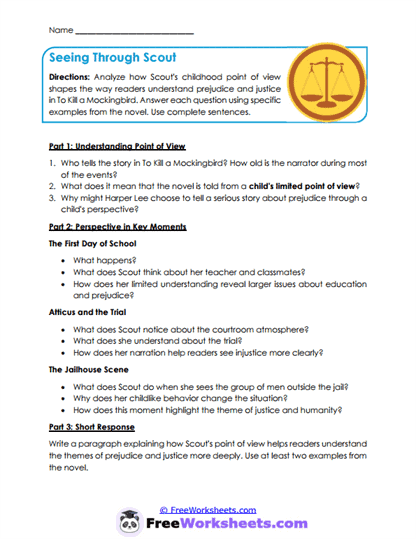
Seeing Through Scout
- What Kids Do:
Students analyze how a narrator’s perspective shapes the story. They examine how age and experience affect understanding of key events. - Target Skill:
Students build skill in analyzing point of view and its impact on meaning. This supports deeper comprehension.
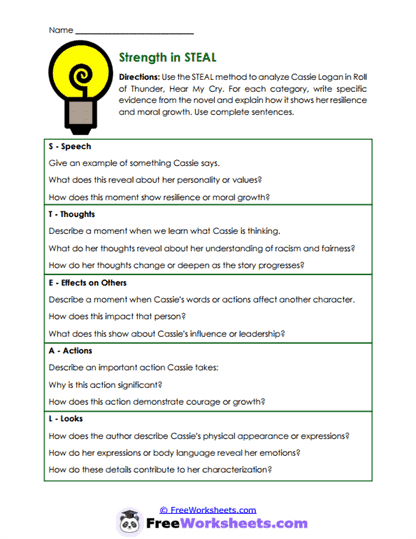
Strength in STEAL
- What Kids Do:
Students use the STEAL method to analyze a character through speech, thoughts, actions, and more. They explain what each example reveals. - Target Skill:
Students develop strong character analysis skills using structured evidence. This supports deeper understanding of characterization.
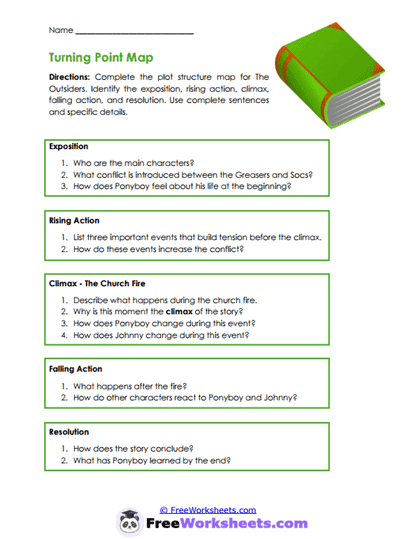
Turning Point Map
- What Kids Do:
Students identify key stages of the plot and explain how events build toward a climax. They connect events to overall story structure. - Target Skill:
Students strengthen their ability to analyze plot structure and how events develop. This supports comprehension of narrative flow.
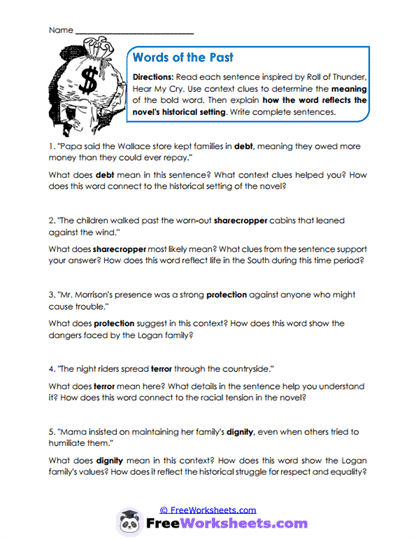
Words of the Past
- What Kids Do:
Students use context clues to determine the meaning of vocabulary in a historical setting. They explain how word choice reflects the time period. - Target Skill:
Students build vocabulary and comprehension skills by analyzing context. This supports understanding of complex texts.