
Novel Study Worksheets
6th Grade reading novel study worksheets help students dive deeper into literature by analyzing characters, themes, plot development, symbolism, and author craft. Free, ready-to-print worksheets are available in PDF format for immediate classroom use and independent practice. Students strengthen skills such as citing textual evidence, evaluating character growth, interpreting literary devices, and supporting ideas with thoughtful analysis.
About This Collection of Worksheets
Novel studies help students move beyond basic comprehension and develop a richer understanding of literature. This collection provides engaging activities that encourage readers to explore how authors develop characters, build themes, create conflicts, and structure stories. Through analysis of well-known novels across a variety of genres, students learn to think critically about what they read and support their interpretations with evidence from the text.
The worksheets cover a wide range of literary concepts, including character motivation, symbolism, conflict, point of view, setting, theme, plot structure, foreshadowing, and character relationships. Students practice examining how different literary elements work together to create meaningful stories while developing stronger analytical reading and writing skills. These activities encourage readers to ask deeper questions and consider why authors make specific storytelling choices.
Teachers, parents, and homeschool educators can use these resources during novel studies, literature circles, independent reading units, guided reading groups, or enrichment activities. Each worksheet focuses on a specific literary skill while promoting thoughtful discussion and evidence-based reasoning. Together, these activities help students become more confident, engaged, and insightful readers.
Paul’s Teacher Tip
One of the best ways to strengthen novel study discussions is to consistently ask students to explain their thinking with evidence from the text. Encourage readers to move beyond answering what happened and focus on why it happened and why it matters. Questions about character motivations, theme development, symbolism, and author choices often lead to the richest conversations. It can also be helpful to revisit predictions, themes, and character changes throughout a novel rather than waiting until the end. These ongoing discussions help students see literature as a collection of connected ideas rather than a series of isolated events.
Worksheet Collection Skill Spotlights
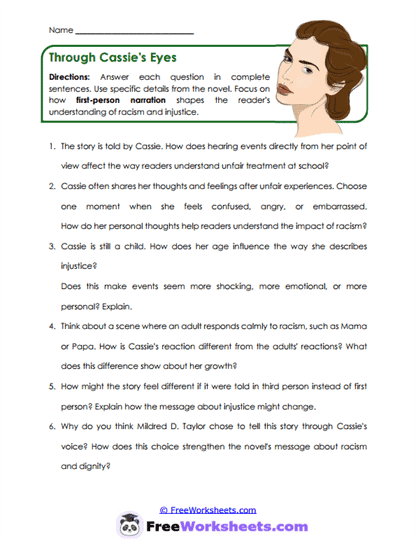
Cassie’s Perspective
- What Kids Do:
Students analyze how first-person narration shapes readers’ understanding of events in Roll of Thunder, Hear My Cry. They examine Cassie’s emotions, reactions, and experiences while considering how perspective influences interpretation. - Target Skill:
Students strengthen point-of-view analysis by evaluating how narration affects character development, theme, and reader understanding.
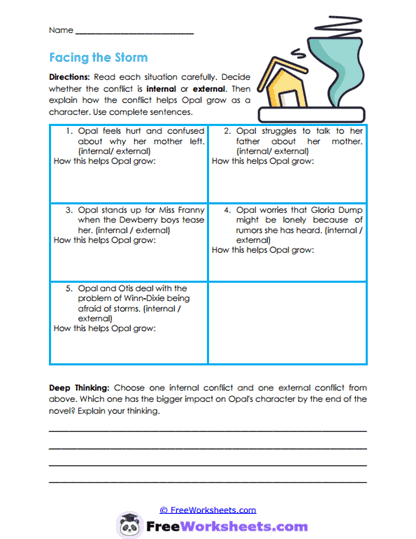
Conflict Connections
- What Kids Do:
Students identify and analyze internal and external conflicts in Because of Winn-Dixie. They explore how challenges influence Opal’s growth and examine the role conflict plays in character development. - Target Skill:
Students develop skills in conflict analysis by connecting challenges to personal growth, theme development, and character change.
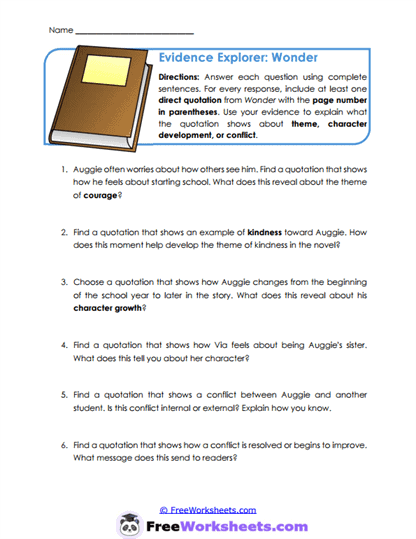
Evidence Insights
- What Kids Do:
Students locate meaningful quotations in Wonder and explain how the evidence supports themes, character development, and important ideas throughout the novel. - Target Skill:
Students strengthen close-reading and evidence-based analysis skills by selecting and explaining relevant textual support.
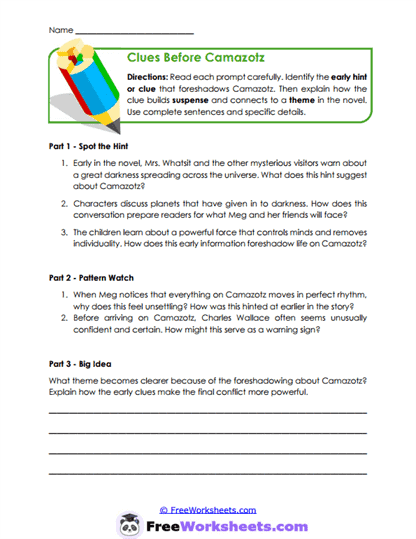
Foreshadow Clues
- What Kids Do:
Students identify early hints and warnings in A Wrinkle in Time and connect those clues to later events in the novel. They analyze how foreshadowing builds suspense and supports the story. - Target Skill:
Students build literary-analysis skills by examining foreshadowing, suspense, and author craft.
Friendship Forces
- What Kids Do:
Students explore the friendship between Kevin and Max in Freak the Mighty, analyzing how each character influences the other’s growth and development. - Target Skill:
Students strengthen character-analysis skills by examining relationships, mutual influence, and personal growth.
Growth Reflections
- What Kids Do:
Students compare Esperanza at different points in Esperanza Rising and analyze how hardships, responsibilities, and experiences contribute to her development. - Target Skill:
Students develop an understanding of character growth by evaluating how experiences shape attitudes, values, and resilience.
Immortality Choices
- What Kids Do:
Students evaluate perspectives on immortality in Tuck Everlasting and analyze how major decisions contribute to the novel’s themes and messages. - Target Skill:
Students strengthen theme-analysis and critical-thinking skills by examining ethical dilemmas, symbolism, and character choices.
Motivation Shifts
- What Kids Do:
Students track Katniss Everdeen’s changing motivations throughout The Hunger Games. They analyze how relationships, survival, loyalty, and personal values influence her decisions. - Target Skill:
Students build skills in character motivation analysis by examining how goals and priorities evolve throughout a story.
Plot Pathways
- What Kids Do:
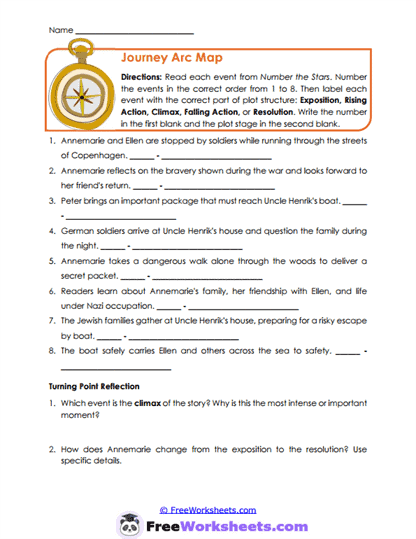
Students organize major events from Number the Stars into plot structure categories such as exposition, rising action, climax, falling action, and resolution. - Target Skill:
Students strengthen their understanding of plot development and narrative structure while connecting events to character growth and theme.
Setting Moods
- What Kids Do:
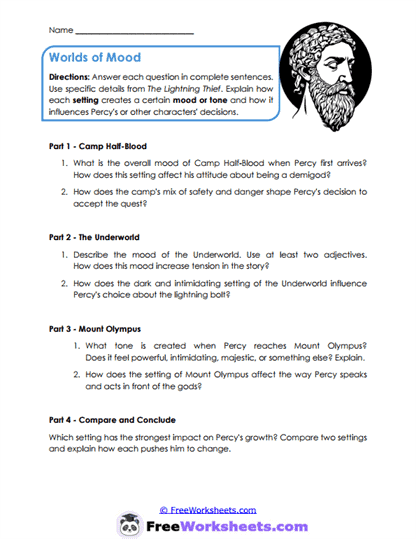
Students examine major locations in The Lightning Thief and analyze how setting creates mood, influences decisions, and supports character development. - Target Skill:
Students develop skills in setting and mood analysis by exploring how locations contribute to atmosphere and story progression.
Shared Symbols
- What Kids Do:
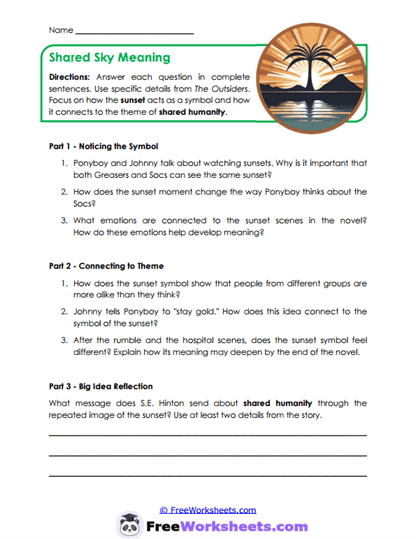
Students analyze the recurring sunset symbol in The Outsiders and examine how it supports themes of empathy, understanding, and shared humanity. - Target Skill:
Students strengthen symbolism and theme-analysis skills by evaluating how recurring images contribute to a novel’s message.
Symbol Journeys
- What Kids Do:
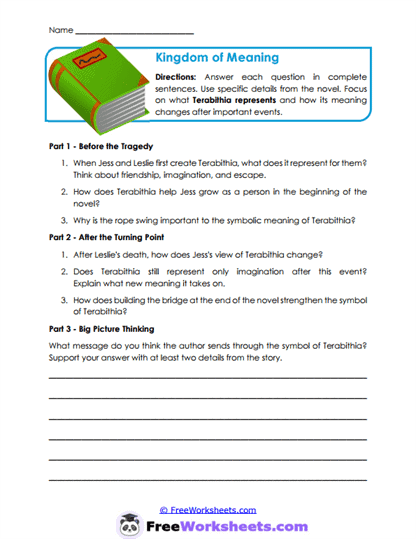
Students explore how Terabithia functions as a symbol in Bridge to Terabithia and analyze how its meaning evolves as the story unfolds. - Target Skill:
Students develop deeper literary-analysis skills by examining symbolism, character growth, and thematic development.