
Nonfiction Book Study Worksheets
6th Grade reading nonfiction book study worksheets help students analyze complex texts, evaluate evidence, and explore real-world topics through engaging nonfiction books. Free, ready-to-print worksheets are available in PDF format for immediate classroom use and independent practice. Students strengthen skills such as analyzing author's purpose, evaluating perspectives, identifying central ideas, and supporting conclusions with textual evidence.
About This Collection of Worksheets
Nonfiction books offer students opportunities to explore history, science, memoirs, biographies, social issues, and real-world events while developing advanced reading comprehension skills. This collection focuses on helping learners engage deeply with full-length nonfiction texts by examining themes, perspectives, structure, evidence, and author choices. Through meaningful analysis activities, students learn how nonfiction writers communicate ideas, present information, and connect readers to important topics.
The worksheets cover a broad range of nonfiction genres, including memoirs, biographies, investigative journalism, historical nonfiction, science writing, and narrative nonfiction. Students practice evaluating claims, comparing perspectives, analyzing text structures, interpreting historical context, and identifying central ideas. These activities encourage readers to move beyond summary and develop the analytical thinking skills needed for more sophisticated reading and writing tasks.
Teachers, parents, and homeschool educators can use these resources alongside independent reading assignments, literature circles, classroom novel studies, or interdisciplinary units. Each worksheet targets specific comprehension and analysis skills while encouraging students to support their thinking with evidence from the text. Together, these activities help readers become more confident, thoughtful, and engaged consumers of nonfiction literature.
Paul’s Teacher Tip
When teaching nonfiction book studies, encourage students to think like investigators rather than simply readers. Ask questions such as “Why did the author include this detail?” or “How does this event support the book’s larger message?” Regularly requiring evidence-based responses helps students move beyond surface-level understanding and develop stronger analytical habits. It can also be helpful to compare multiple nonfiction texts to show how different authors approach similar topics. Encourage students to track themes, perspectives, and recurring ideas throughout their reading. These strategies help learners build the critical-thinking skills necessary for understanding complex nonfiction works and evaluating information independently.
Worksheet Collection Skill Spotlights
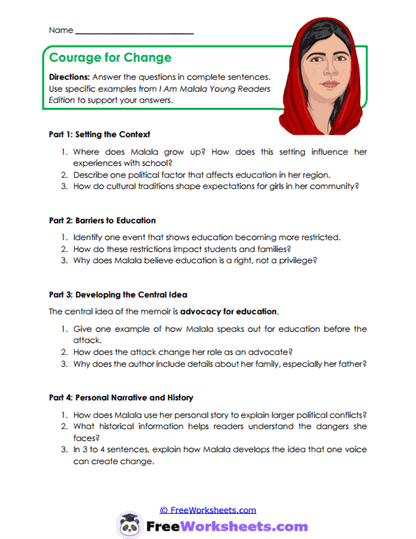
Advocacy Journey
- What Kids Do:
Students analyze Malala Yousafzai’s experiences, educational challenges, and advocacy efforts in I Am Malala Young Readers Edition. They examine how personal experiences contribute to larger social and political issues while supporting their responses with evidence from the text. - Target Skill:
Students strengthen their ability to analyze central ideas, leadership, advocacy, and personal narrative while connecting individual experiences to broader historical and social themes.
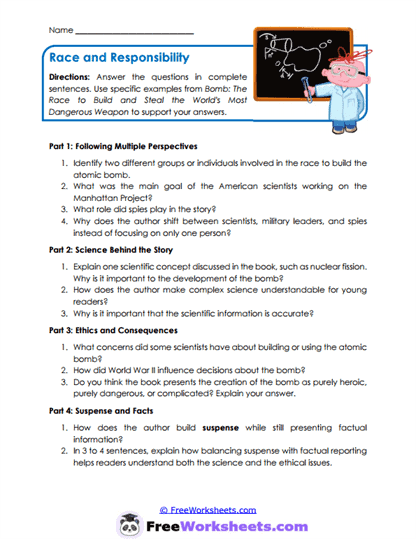
Atomic Perspectives
- What Kids Do:
Students explore scientific discoveries, ethical questions, and multiple viewpoints in Bomb: The Race to Build-and Steal-the World’s Most Dangerous Weapon. They examine the roles of scientists, leaders, and decision-makers while evaluating complex historical events. - Target Skill:
Students develop skills in analyzing multiple perspectives, evaluating evidence, and understanding how authors present complicated historical and ethical issues.
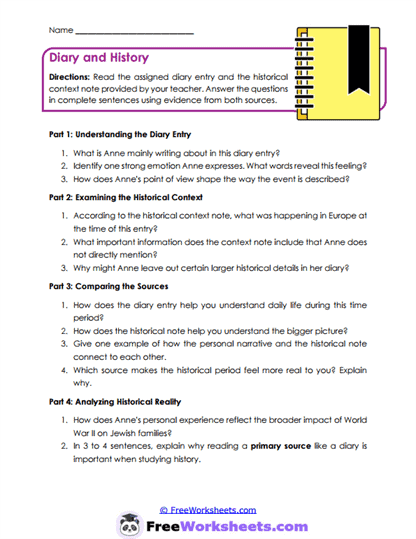
Diary Perspectives
- What Kids Do:
Students compare diary entries from The Diary of Anne Frank with historical context information. They examine emotions, perspective, and historical events while evaluating how personal experiences contribute to historical understanding. - Target Skill:
Students strengthen source-analysis skills by comparing firsthand accounts with historical information and evaluating how different sources contribute to understanding the past.
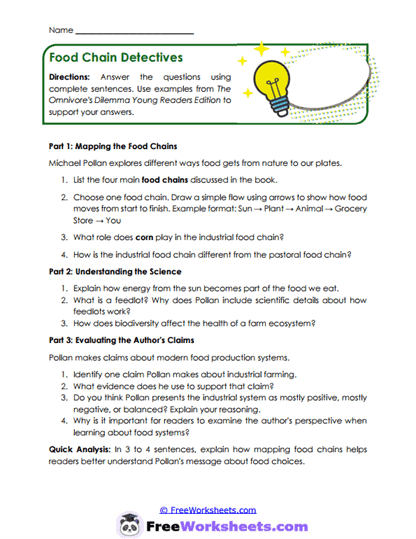
Food Pathways
- What Kids Do:
Students analyze food chains, scientific concepts, and author claims in The Omnivore’s Dilemma Young Readers Edition. They evaluate evidence, compare food systems, and examine how scientific information supports broader arguments. - Target Skill:
Students build critical reading skills by analyzing evidence, evaluating claims, and understanding how nonfiction authors combine facts and opinions.
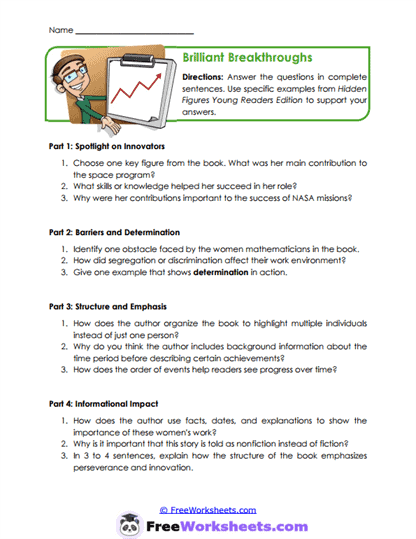
Hidden Contributions
- What Kids Do:
Students examine the accomplishments and challenges faced by the women featured in Hidden Figures Young Readers Edition. They analyze perseverance, innovation, and the author’s organizational choices. - Target Skill:
Students strengthen their understanding of central ideas, informational structure, and the connection between individual achievements and historical progress.
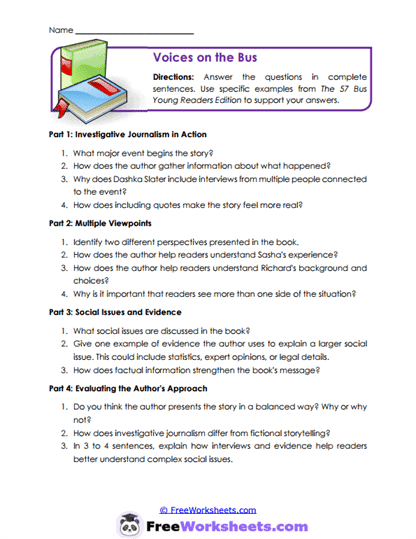
Investigative Voices
- What Kids Do:
Students analyze interviews, evidence, and reporting techniques in The 57 Bus Young Readers Edition. They evaluate how the author presents multiple viewpoints and explores complex social issues. - Target Skill:
Students develop skills in evaluating evidence, understanding investigative journalism, and analyzing how authors present different perspectives.
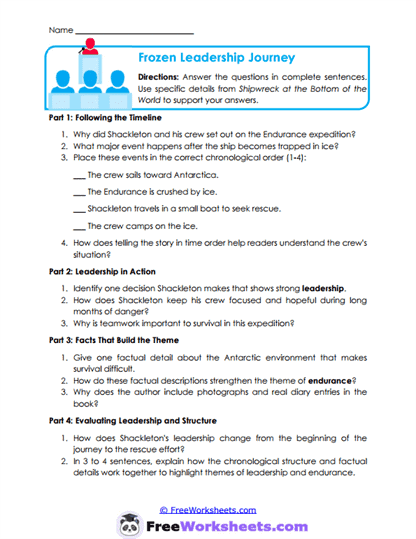
Leadership Endurance
- What Kids Do:
Students examine leadership decisions, chronology, and survival themes in The Bottom of the World. They analyze Ernest Shackleton’s actions and evaluate how nonfiction structure supports larger themes. - Target Skill:
Students strengthen their understanding of leadership, perseverance, and how chronological organization contributes to meaning in nonfiction narratives.
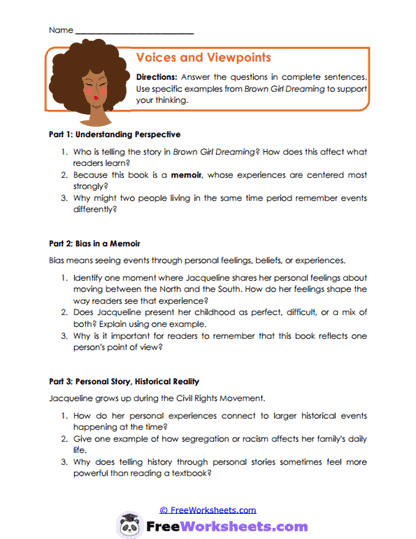
Perspective Voices
- What Kids Do:
Students analyze memoir perspective and historical context in Brown Girl Dreaming. They explore how personal experiences connect to larger historical events and evaluate the role of perspective in storytelling. - Target Skill:
Students build skills in analyzing memoirs, distinguishing perspective from historical fact, and evaluating how personal experiences shape narratives.
Purpose Power
- What Kids Do:
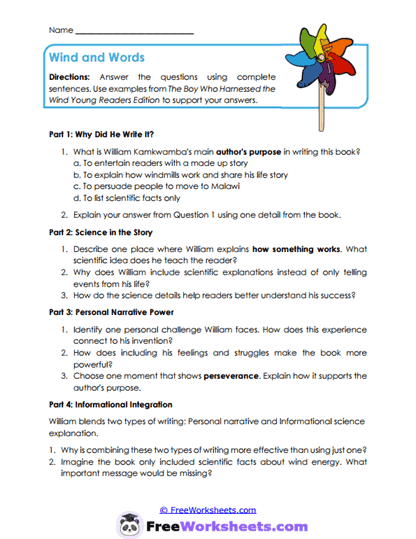
Students examine author’s purpose, scientific explanations, and personal narrative in The Boy Who Harnessed the Wind Young Readers Edition. They analyze how information and storytelling work together to communicate larger messages. - Target Skill:
Students strengthen their ability to analyze author’s purpose, evaluate informational writing techniques, and understand how structure supports meaning.
Resilience Structure
- What Kids Do:
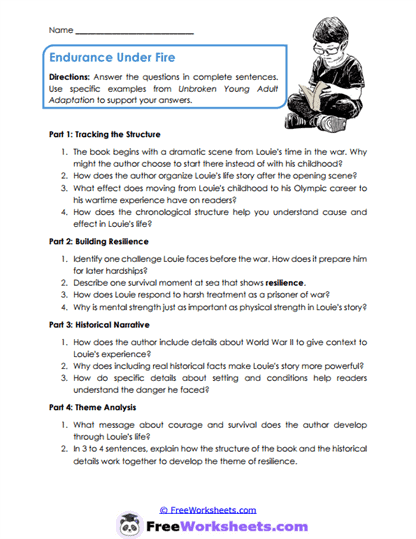
Students analyze resilience, historical context, and organizational structure in Unbroken Young Adult Adaptation. They evaluate how the author develops themes through chronology and real-life events. - Target Skill:
Students develop skills in analyzing nonfiction structure, theme development, and the role of historical context in shaping meaning.
Survival Choices
- What Kids Do:
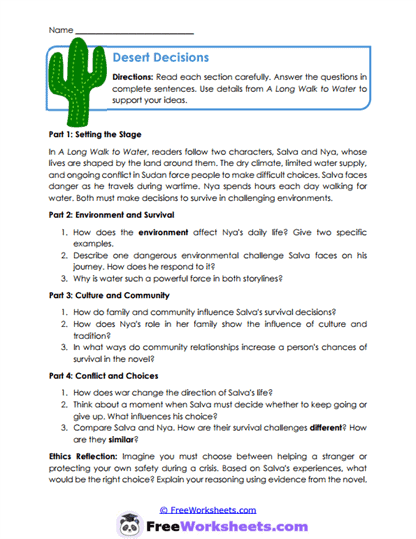
Students examine character decisions, environmental challenges, and themes in A Long Walk to Water. They analyze how survival, culture, and determination influence actions and outcomes. - Target Skill:
Students strengthen evidence-based analysis skills by evaluating character choices, themes, and the influence of setting on decision-making.
Visual History
- What Kids Do:
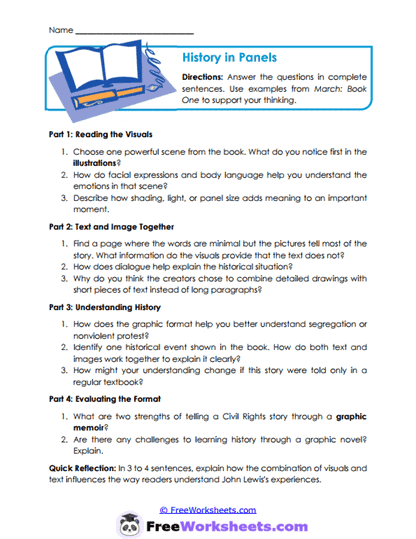
Students analyze how illustrations, panel design, and text work together in March: Book One. They evaluate visual storytelling techniques and examine how graphic nonfiction communicates historical events. - Target Skill:
Students build visual literacy skills by analyzing the relationship between images and text and evaluating how different formats communicate information.