
Comparing Texts Worksheets
6th Grade Reading Comparing Texts worksheets are all about helping students look at more than one text at a time and really think about how they connect. At this level, students aren't just understanding one passage anymore. They're learning to compare ideas, themes, structures, and viewpoints across texts. That's a big shift, but these worksheets break it down in a way that feels manageable.
About This Collection of Worksheets
If your child is comfortable reading one passage but struggles when asked to compare two-that’s completely normal. This is a skill that takes practice, and that’s exactly what this collection is designed to support.
These worksheets guide students step by step through comparing texts in meaningful ways. They’ll look at how two authors write about the same topic, how characters respond to similar situations, or how different texts develop the same theme. It’s not just about spotting differences-it’s about understanding why those differences matter.
What I really like about this set is how it builds over time. Students start with more straightforward comparisons, like identifying similarities and differences. Then they move into deeper thinking-comparing perspectives, analyzing how authors present ideas, and even evaluating arguments. By the end, they’re not just reading-they’re synthesizing information across texts.
You don’t need to do all of these at once. One worksheet at a time, followed by a quick discussion, can really help your child grow in confidence with this skill.
Paul’s Teacher Tip
When your child is comparing two texts, try asking simple guiding questions like:
- “How are these texts alike?”
- “What is different about how each author explains the idea?”
- “Which one explains it better-and why?”
Encourage them to point back to the text when they answer. That habit-using evidence-is one of the most important skills they’ll build at this stage.
Worksheet Collection Skill Spotlights
Moonlight Missions
- What Kids Do:
Students read two engaging passages about space exploration, each with a slightly different focus. As they work, they pull out key details from both texts and start thinking about how each author presents achievements and challenges. By the end, they’re answering questions that require them to use information from both texts, not just one. - Target Skill:
This activity helps students move beyond single-text understanding and into comparing across sources. They begin to see that the same topic can be explained in different ways depending on the author’s purpose. Over time, this builds stronger comprehension and prepares them for more advanced analysis.
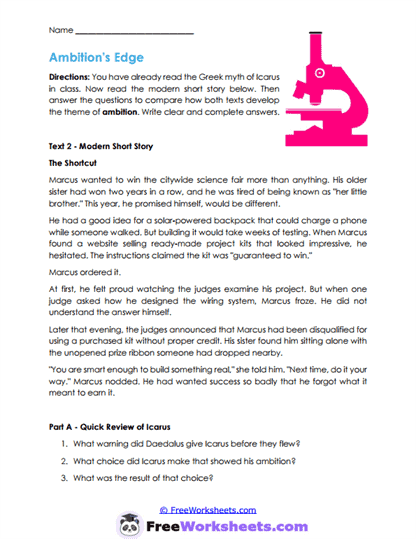
Ambition’s Edge
- What Kids Do:
Students explore a classic myth and a modern story, both centered around ambition. As they read, they pay attention to character choices and outcomes, then think about what each story is really teaching. They’re asked to explain how the same idea plays out differently in each text. - Target Skill:
This worksheet strengthens theme analysis by pushing students to look deeper than the plot. They learn how authors develop meaning through character actions and consequences. It also helps them connect ideas across very different types of texts.
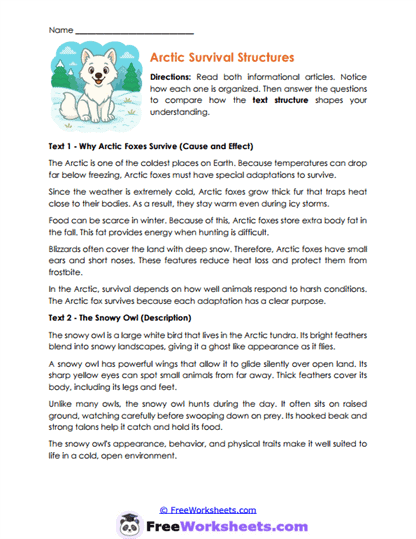
Arctic Survival Structures
- What Kids Do:
Students read two informational texts about Arctic animals, but each one is organized differently. While reading, they identify how the information is structured and how that affects what they understand. They then compare how each format helps explain the topic. - Target Skill:
This builds awareness that structure matters just as much as content. Students learn to recognize patterns like cause/effect or description and think about why an author chose that structure. That understanding makes complex texts easier to navigate later on.
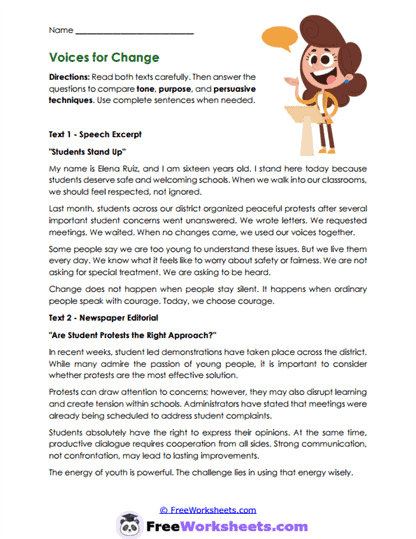
Voices for Change
- What Kids Do:
Students read two texts with different viewpoints on the same issue and take time to really notice how each author presents their ideas. They look at tone, word choice, and the types of arguments used. Then they compare how each piece tries to persuade the reader. - Target Skill:
This activity develops critical thinking by helping students evaluate perspective and bias. They begin to understand that texts are not always neutral and that authors have a purpose behind their writing. This is a key step toward becoming a more thoughtful reader.
Lost and Found
- What Kids Do:
Students work with both a story and an informational text that deal with problem-solving in different ways. As they read, they identify how each text approaches the situation and what strategies are used. They then compare how those approaches are similar and different. - Target Skill:
This helps students connect fiction and nonfiction in a meaningful way. They begin to see that ideas can cross genres, even when the format is different. It also strengthens their ability to think about purpose and approach.
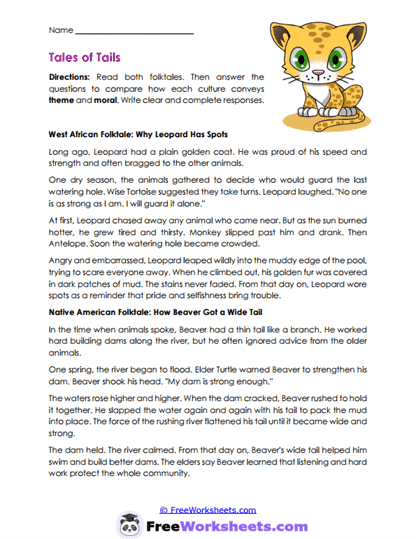
Tales of Tails
- What Kids Do:
Students read folktales from different cultures and take time to figure out the lesson or moral in each one. As they reflect, they compare how each story teaches its message. They’re encouraged to explain not just what happens, but what it means. - Target Skill:
This builds deeper understanding of theme and cultural storytelling. Students learn that similar lessons can appear in very different stories. It also encourages them to think beyond surface details and focus on meaning.
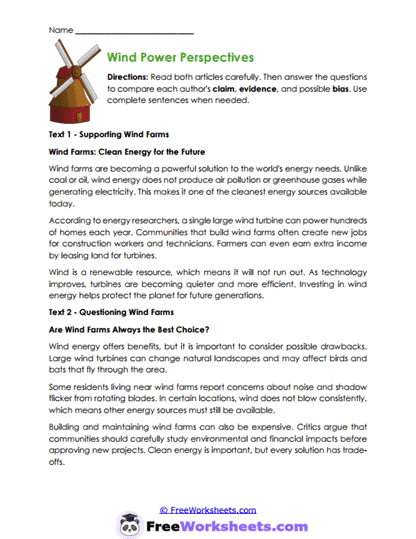
Wind Power Perspectives
- What Kids Do:
Students read two texts that present different viewpoints on wind energy. While working through the passages, they identify each author’s claim and the evidence used to support it. Then they compare how each side builds its argument. - Target Skill:
This activity strengthens the ability to evaluate arguments and consider multiple perspectives. Students learn to look at both sides of an issue instead of jumping to a conclusion. It’s an important skill for both academic reading and real-life decision-making.
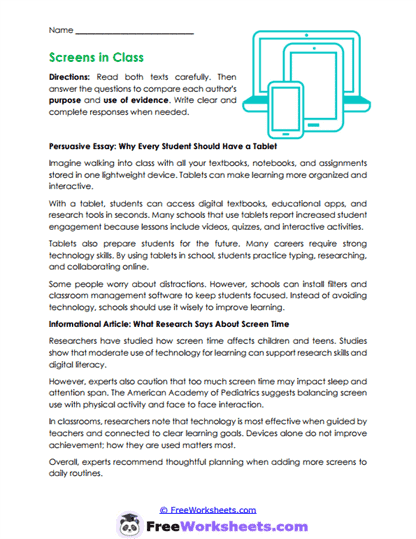
Screens in Class
- What Kids Do:
Students read a persuasive piece and an informational article about technology use in schools. As they go through each text, they notice differences in purpose and how information is presented. They then compare how each author uses evidence to support their ideas. - Target Skill:
This helps students understand the difference between informing and persuading. They learn to recognize how evidence is used in different ways depending on the goal of the text. That awareness builds stronger reading and analysis skills.
Pressure Points
- What Kids Do:
Students read two short stories where characters face peer pressure. While reading, they pay attention to how each character responds and what happens as a result. They then compare those choices and the lessons that come from them. - Target Skill:
This activity connects character behavior to theme in a meaningful way. Students begin to understand how decisions shape outcomes and messages in stories. It also encourages reflection on real-life situations.
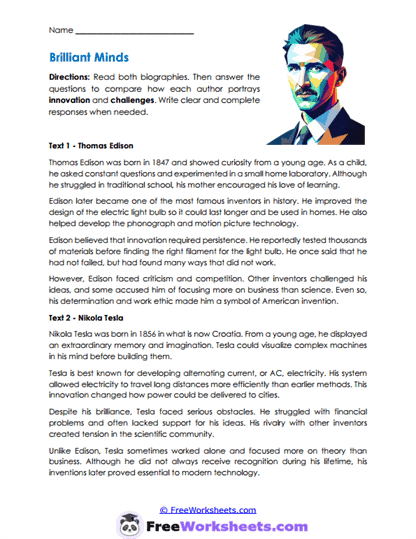
Brilliant Minds
- What Kids Do:
Students read two biographies about famous inventors and focus on how each story presents challenges and achievements. As they work, they compare how each author highlights different aspects of success. They then explain how the portrayals are similar and different. - Target Skill:
This builds the ability to compare how information is presented, not just what the information is. Students learn that authors make choices about what to emphasize. That skill is important for deeper comprehension.
Natural Disasters
- What Kids Do:
Students read two informational texts about different natural disasters and take note of how each one explains causes and effects. They organize what they learn and compare the way information is presented. Their responses require them to connect ideas across both texts. - Target Skill:
This helps students practice synthesizing information across topics. They learn to move beyond listing facts and instead explain relationships between ideas. It also supports cross-curricular learning with science.
Animal Adaptations
- What Kids Do:
Students explore two texts about how animals survive in different environments. As they read, they look for key details about behaviors, traits, and habitats. Then they compare how each text explains adaptation strategies. - Target Skill:
This strengthens both reading comprehension and content understanding. Students learn to organize information and compare ideas across texts. It also builds their ability to explain similarities and differences clearly.