
6th Grade Reading Comprehension Worksheets
These 6th Grade worksheets strengthen middle school Reading skills through rigorous, standards-aligned text analysis and evidence-based tasks. These free, ready-to-print PDF worksheets are designed for immediate classroom use with no prep required. Students practice critical skills such as inference, theme analysis, citing textual evidence, and evaluating author’s purpose.
About This Collection of Worksheets
At the Grade 6 level, Reading instruction shifts from basic understanding to deeper analysis of ideas, structure, and evidence. Students are expected to determine themes, distinguish fact from opinion, analyze point of view, and support claims with precise textual evidence in alignment with Common Core standards. This progression builds the foundation for argumentative writing, research tasks, and cross-text analysis in later grades.
These worksheets are ideal for whole-group instruction, guided reading rotations, independent practice, homework assignments, and RTI intervention blocks. Teachers can use them as formative assessments to monitor comprehension skills or as structured practice before extended written responses. The passages reflect both literary and informational texts, supporting balanced literacy instruction across genres.
Each printable PDF features clear formatting, structured response spaces, and an ink-friendly design that supports accessibility. The layouts are classroom-ready and require minimal preparation, making them easy to integrate into daily lessons. Whether used for skill reinforcement or assessment practice, these worksheets promote confident, analytical readers.
Paul’s Teacher Tip
Help students move from “finding answers” to “explaining thinking” by requiring evidence in every response. Model how to quote or paraphrase a small piece of the text and then explain why it matters. For extra support, use sentence frames like “This shows…” or “This detail proves…” to guide stronger answers. You can also have students compare answers in pairs to see different ways evidence can be used. Over time, this builds confidence and prepares students for longer analytical writing.
Worksheet Collection Skill Spotlights
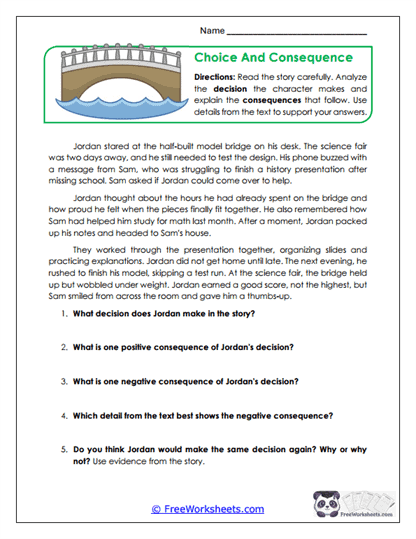
Choice And Consequence
• What Kids Do – Students read a story, identify a key decision, and explain its positive and negative outcomes using evidence.
• Target Skill – Builds analysis of cause-and-effect and character decision-making.
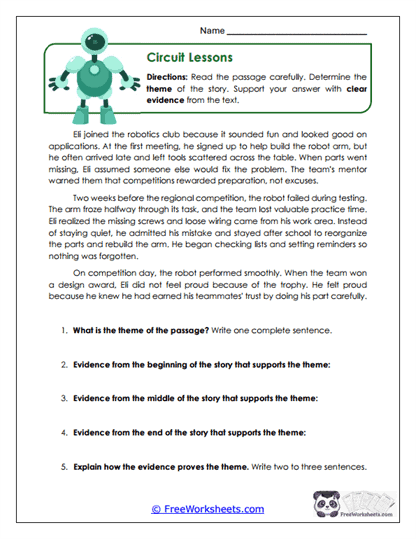
Circuit Lessons
• What Kids Do – Students track events across a story and identify a theme supported by details from beginning to end.
• Target Skill – Develops theme identification and evidence-based support.
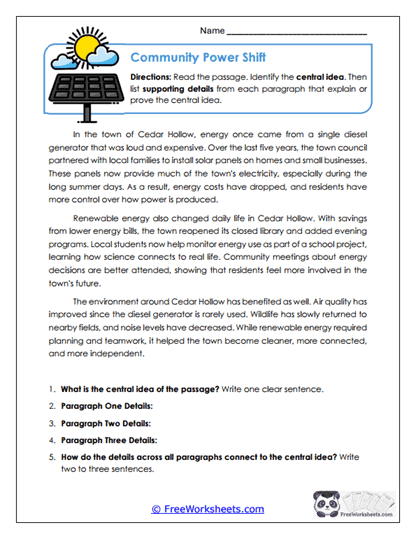
Community Power Shift
• What Kids Do – Students read an informational text and connect details from multiple paragraphs to a central idea.
• Target Skill – Builds central idea analysis across a text.
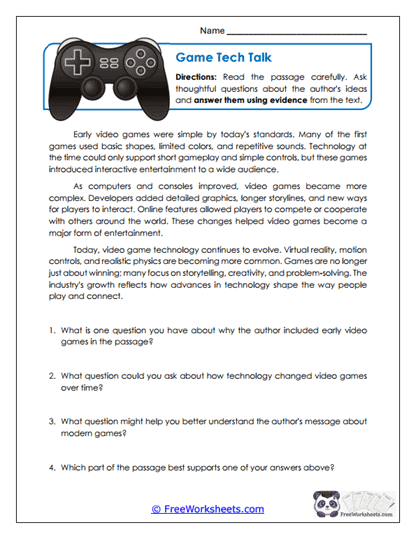
Game Tech Talk
• What Kids Do – Students create and answer their own questions using evidence from an informational passage.
• Target Skill – Develops questioning skills and evidence-based comprehension.
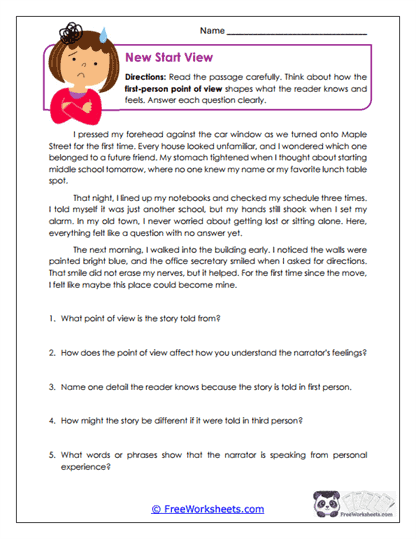
New Start View
• What Kids Do – Students analyze a first-person story and explain how the narrator’s perspective shapes understanding.
• Target Skill – Builds point of view analysis.
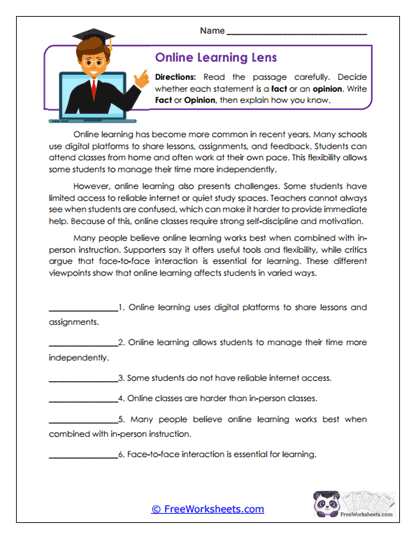
Online Learning Lens
• What Kids Do – Students classify statements as fact or opinion and explain their reasoning with evidence.
• Target Skill – Develops fact vs. opinion analysis.
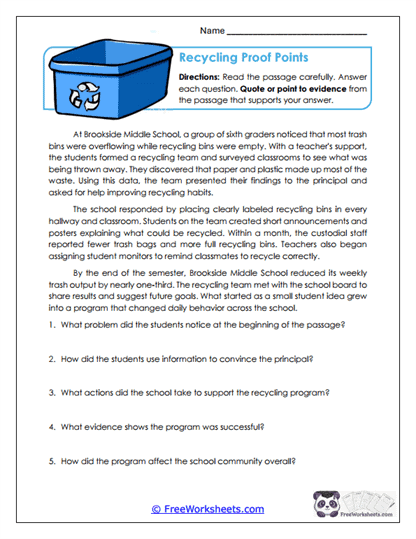
Recycling Proof Points
• What Kids Do – Students answer questions and support each response with specific evidence from the text.
• Target Skill – Builds accurate citation of textual evidence.
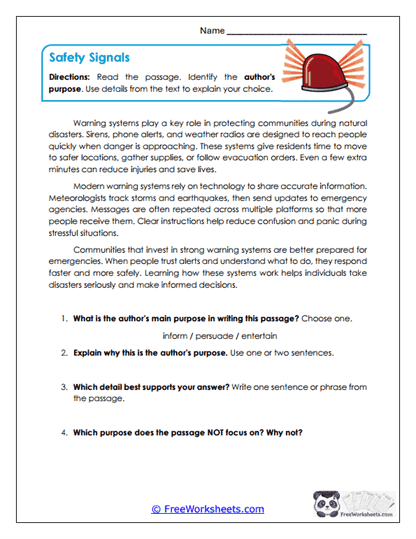
Safety Signals
• What Kids Do – Students determine the author’s purpose and support their choice with details from the text.
• Target Skill – Develops analysis of author’s purpose.
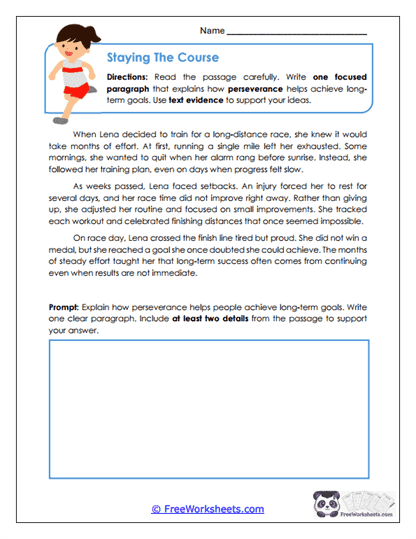
Staying The Course
• What Kids Do – Students write a short paragraph explaining how a key idea develops, using at least two details.
• Target Skill – Builds analytical writing and use of evidence.
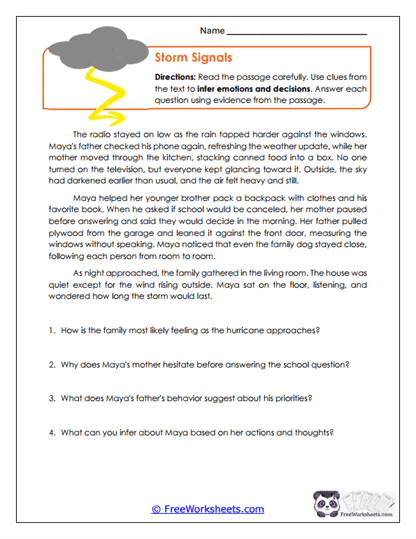
Storm Signals
• What Kids Do – Students read a passage and make inferences about character feelings using text clues.
• Target Skill – Develops inference and evidence-based reasoning.
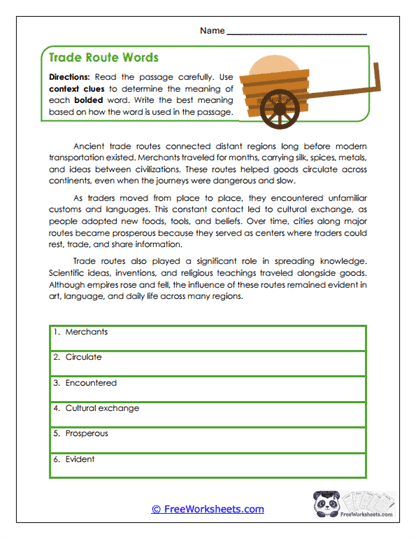
Trade Route Words
• What Kids Do – Students use context clues to define vocabulary and explain how they found each meaning.
• Target Skill – Builds context-based vocabulary skills.
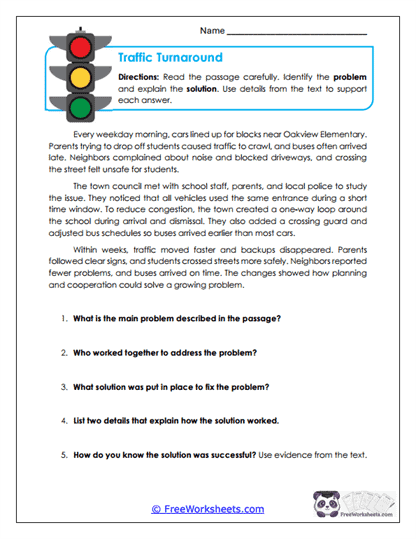
Traffic Turnaround
• What Kids Do – Students identify a problem and explain how it is solved using details from the text.
• Target Skill – Develops understanding of problem-solution structure.