
Grade 8 Worksheets
This 8th grade printable worksheet collection is a comprehensive, standards-aligned resource designed to support full mastery across Language Arts, Mathematics, Science, and History/Social Studies. Built to reflect a complete year of rigorous instruction, these worksheets strengthen critical thinking, analytical reasoning, and academic fluency while preparing students for the independence and depth required in high school. By reinforcing foundational skills and advancing conceptual understanding, this collection builds confidence, competence, and long-term academic readiness across disciplines.
Math
Reading
-
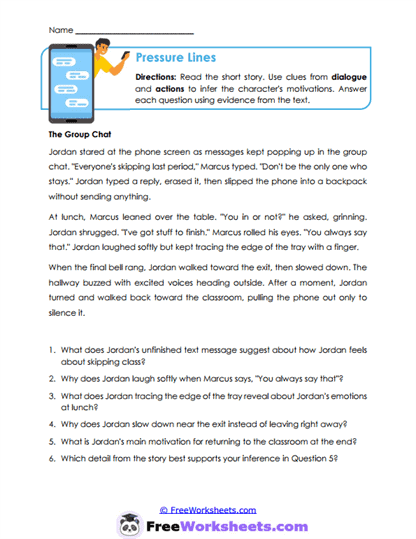
8th Grade Reading Comprehension
-
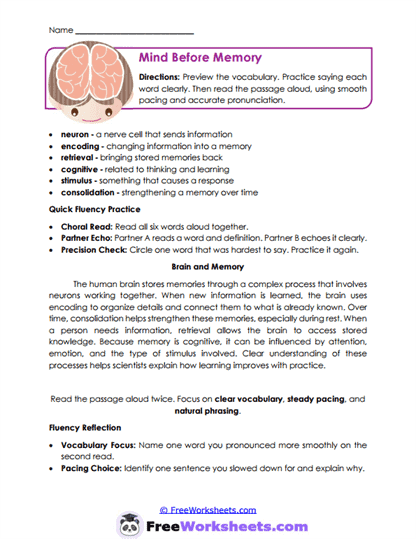
8th Grade Reading Fluency
-
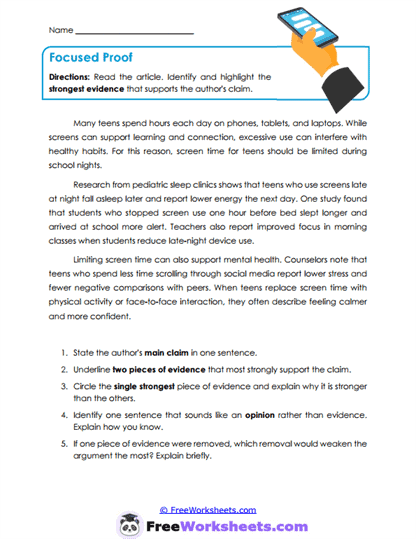
8th Grade Reading Passages
-
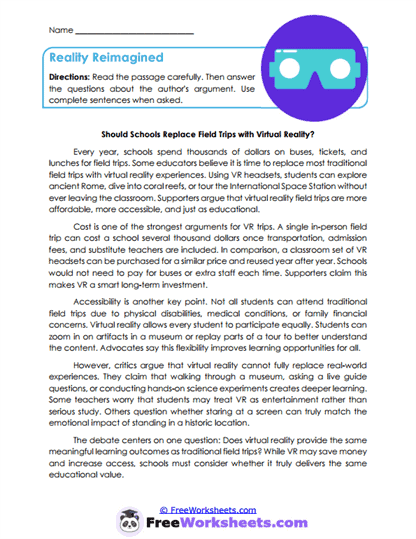
Analyzing Arguments
-
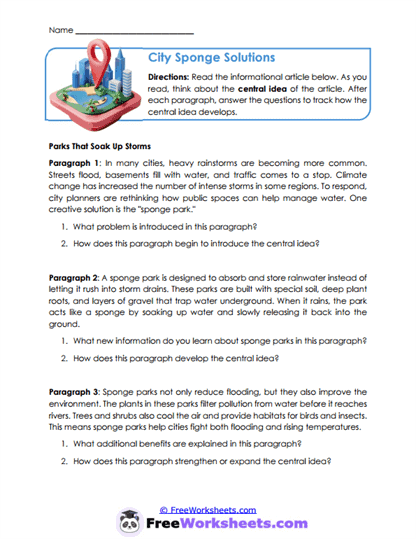
Analyzing Informational Texts
-
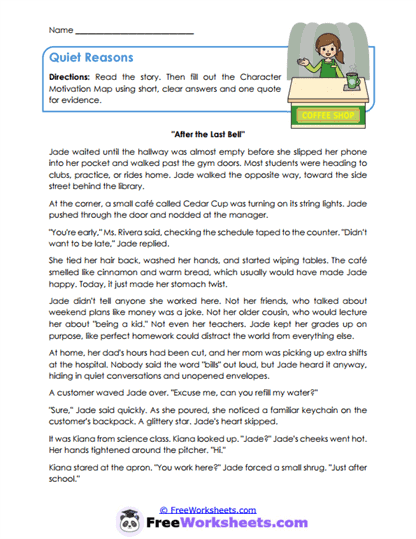
Analyzing Literature
-
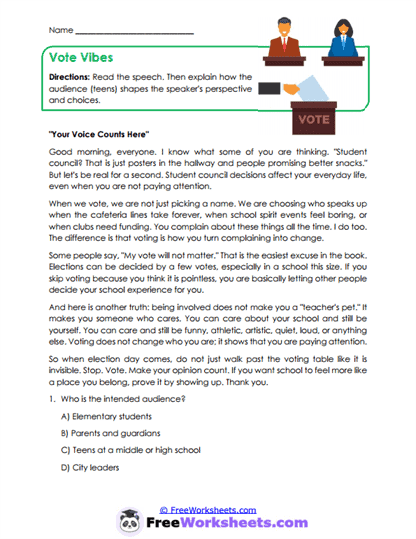
Author's Perspective
-
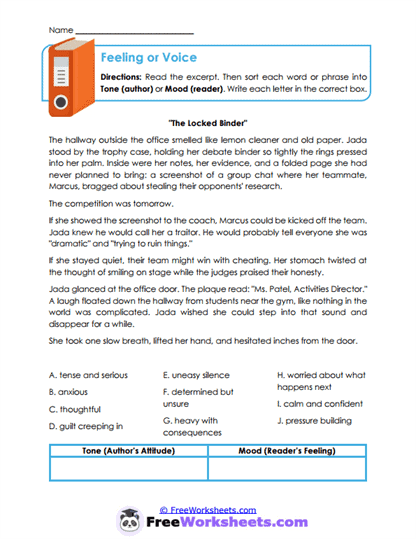
Author's Purpose And Tone
-
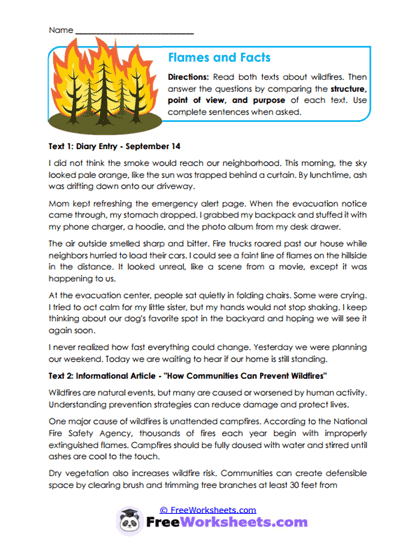
Comparing Texts
-
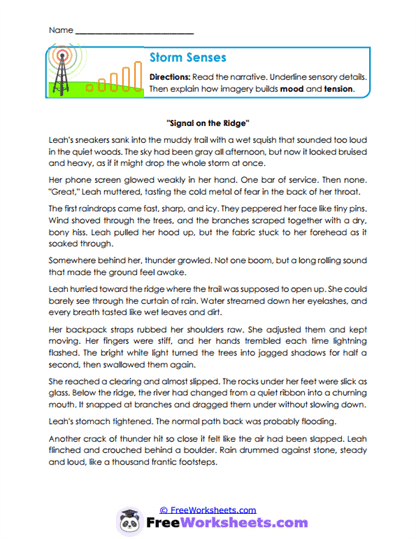
Literary Devices
-
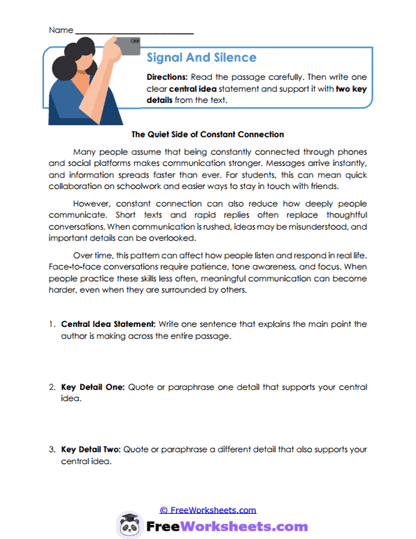
Main Idea
-
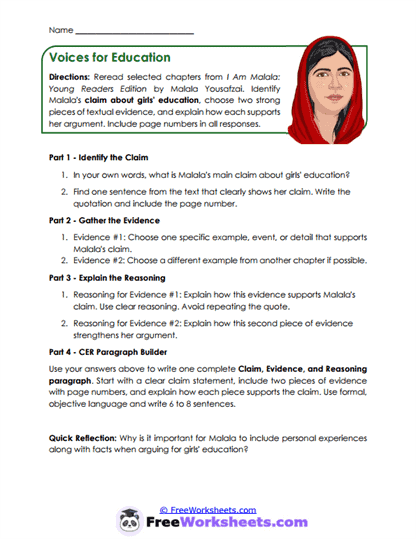
Nonfiction Book Study
-
Novel Study
-
Text Structure
-
Themes
About This Collection of Worksheets
8th Grade is the final step before high school, and students are expected to handle a much heavier academic workload with greater independence. Assignments become more analytical, writing becomes more evidence-driven, and students are expected to manage complex reading, advanced math concepts, and longer multi-step tasks across subjects.
This collection focuses on the academic areas students need the most support with before entering high school: argumentative writing, informational text analysis, algebra readiness, critical reading, academic vocabulary, problem-solving, and structured reasoning. The worksheets are designed to help students strengthen accuracy, organization, and confidence while preparing for more demanding coursework.
Students practice evaluating evidence, interpreting nonfiction texts, solving equations, analyzing arguments, organizing written responses, and applying deeper reasoning skills across subjects. These printable worksheets help reinforce the study habits, focus, and academic consistency students need for a successful transition into high school learning.
Why Teachers Use This Collection
- Argumentative writing practice pages
- Algebra readiness review activities
- Nonfiction text analysis worksheets
- Evidence-based response practice
- Academic vocabulary reinforcement
- Multi-step problem-solving support
- Independent classroom work assignments
- Test prep review resources
- Low-prep middle school worksheets
- High school readiness reinforcement
Why Homeschoolers & Parents Use This Collection
- 8th Grade academic review
- High school preparation practice
- Structured independent learning support
- Algebra and reading reinforcement
- Printable daily review activities
- Screen-free educational practice
- Homework and tutoring support
- Critical thinking development
- Essay organization skill building
- Study skill reinforcement
A Look at the Categories of Worksheets
Math
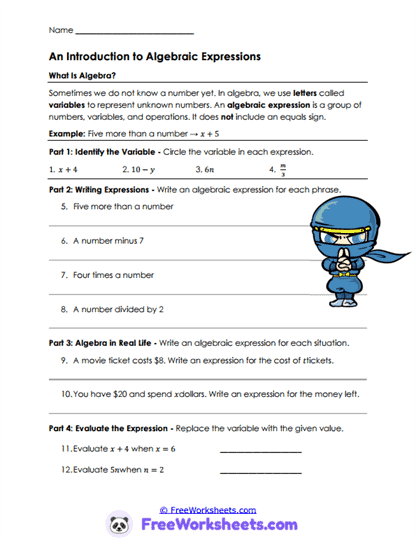
Algebraic Expressions
Understanding algebraic expressions helps students represent patterns and relationships using mathematical language. A helpful strategy is to connect variables to real-world situations, like using letters to represent unknown prices or distances. These activities strengthen algebra readiness, analytical thinking, and problem-solving skills.
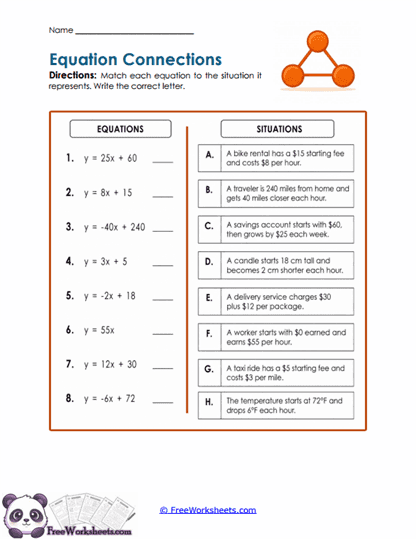
Analyzing Linear Equations
Analyzing linear equations helps students understand how equations represent relationships between changing quantities. Encourage your child to identify key features such as slope and intercepts and connect them to what is happening in a graph or situation. These worksheets strengthen algebraic reasoning, graph interpretation, and problem-solving skills.
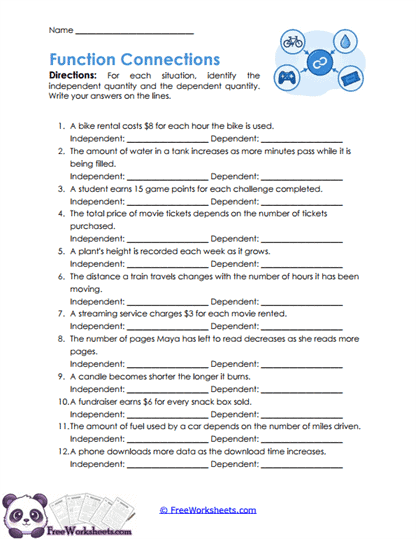
Applying Functions To Real Contexts
Applying functions to real contexts helps students see how mathematical relationships can describe everyday situations involving distance, cost, time, and other changing quantities. Encourage your child to identify what the inputs and outputs represent before interpreting a table, graph, or equation. These activities strengthen functional reasoning, mathematical modeling, and real-world problem-solving skills.
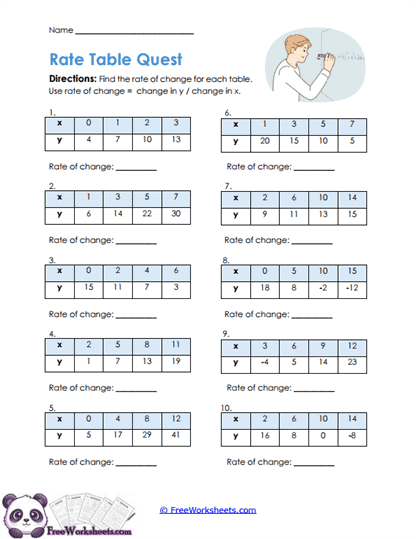
Interpreting Rate Of Change
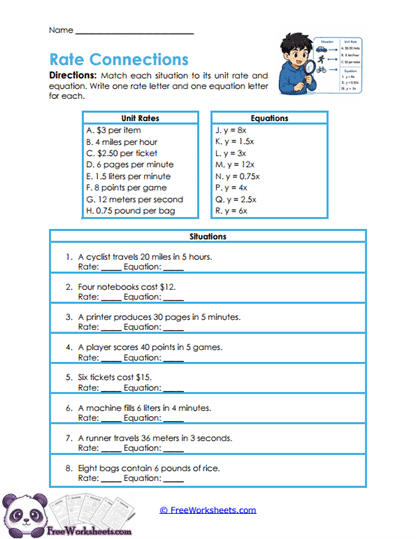
Interpreting rate of change helps students understand how one quantity changes in relation to another. A useful strategy is to connect rates to familiar examples, such as speed, price per item, or changes over time, before working with graphs and equations. These worksheets strengthen proportional reasoning, graph analysis, and mathematical interpretation skills.
Lines And Angles
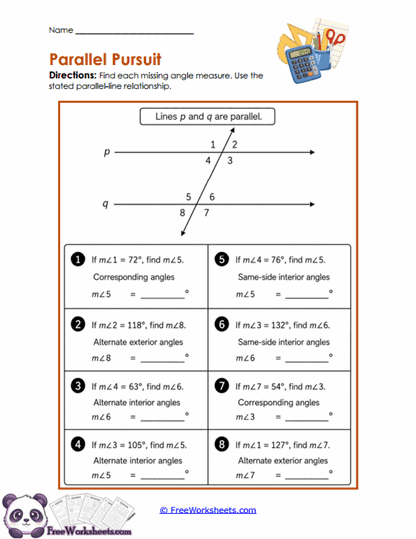
Understanding lines and angles helps students recognize important geometric relationships involving parallel lines, transversals, and angle pairs. Encourage your child to label diagrams carefully and use known angle relationships to find missing measures step by step. These activities strengthen geometric reasoning, visual analysis, and problem-solving skills.
One-Variable Equations
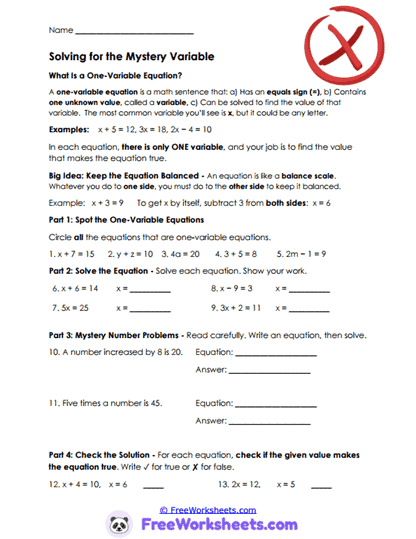
Solving one-variable equations teaches students how to isolate unknown values and think logically through multi-step problems. Encourage your child to check solutions by plugging the answer back into the original equation to confirm it works. These worksheets strengthen algebraic reasoning, computational accuracy, and critical thinking skills.
One-Variable Inequalities
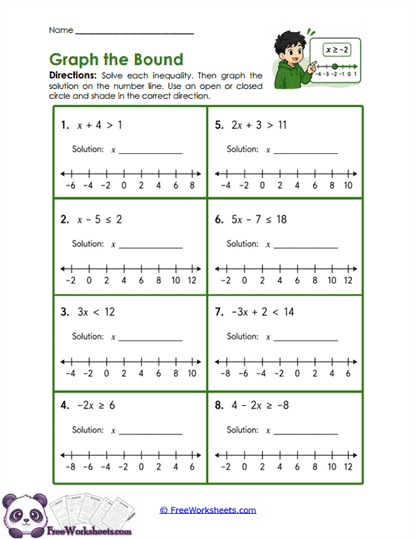
Solving one-variable inequalities helps students determine the range of values that make a mathematical statement true. Encourage your child to graph solutions on a number line and remember to reverse the inequality sign when multiplying or dividing by a negative number. These worksheets strengthen algebraic reasoning, number sense, and logical thinking skills.
Proportions
Working with proportions helps students compare equivalent ratios and solve problems involving scale, rates, and similar relationships. Encourage your child to identify the quantities being compared and check whether the ratios remain equivalent before solving for an unknown value. These activities strengthen proportional reasoning, computational accuracy, and real-world problem-solving skills.
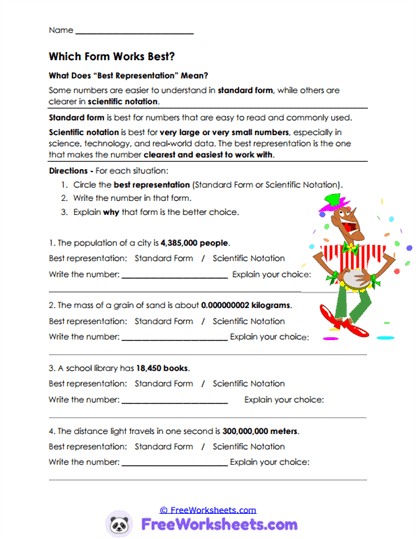
Scientific Notation
Scientific notation helps students work more efficiently with very large and very small numbers commonly used in science and technology. A useful strategy is to practice moving the decimal step by step so your child can clearly see how powers of ten affect the value. These activities strengthen number sense, mathematical precision, and scientific reasoning skills.
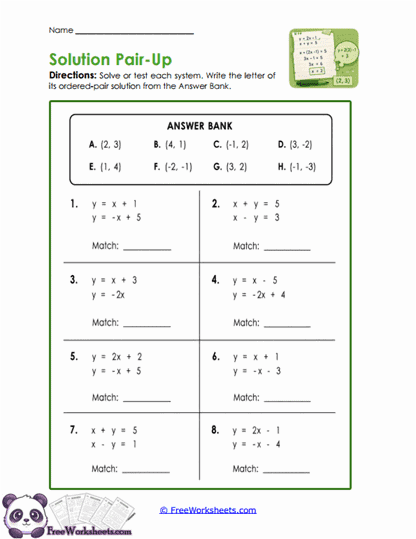
Solving Systems Of Equations
Solving systems of equations helps students find values that satisfy two mathematical relationships at the same time. Encourage your child to compare methods such as graphing, substitution, and elimination so they can choose an efficient approach for each problem. These worksheets strengthen algebraic reasoning, strategic thinking, and problem-solving skills.
Square and Cube Roots
Understanding square and cube roots helps students recognize the relationship between multiplication, powers, and inverse operations. Try using perfect squares and cubes first so your child can build confidence before moving into more challenging problems. These worksheets strengthen algebraic thinking, numerical reasoning, and problem-solving skills.
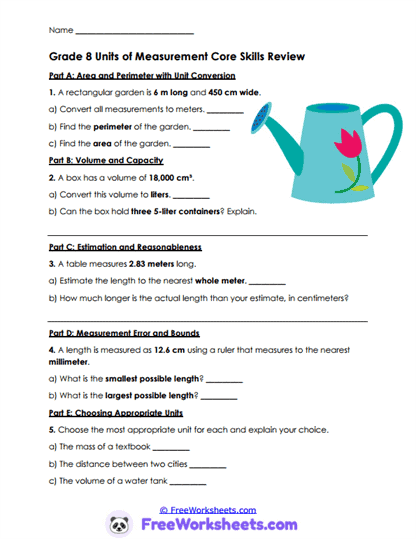
Units of Measurement
Working with units of measurement helps students solve real-world problems involving length, weight, volume, and time. Encourage your child to estimate measurements around the house before calculating exact answers to build stronger number sense. These activities strengthen mathematical reasoning, estimation, and real-world application skills.
Reading
Analyzing Arguments
Learning how to analyze arguments helps students recognize strong evidence, weak reasoning, and persuasive techniques in everyday reading. A helpful strategy is to ask your child, “What proof does the author give for this claim?” while discussing articles or opinions together. These worksheets strengthen critical thinking, reasoning, and evidence-based analysis skills.
Analyzing Informational Texts
Analyzing informational texts helps students better understand nonfiction reading in subjects like science, history, and current events. Encourage your child to pause after each section and summarize the key idea in their own words. These activities strengthen nonfiction comprehension, organization, and analytical reading skills.
Analyzing Literature
Analyzing literature helps students think more deeply about characters, themes, and the author’s message. A great strategy is to ask your child how specific details or events connect to the overall meaning of the story. These worksheets strengthen literary analysis, comprehension, and critical thinking skills.
Author’s Perspective
Understanding an author’s perspective helps students recognize how beliefs, experiences, and opinions influence writing. Encourage your child to consider whether the author seems biased, neutral, or emotionally connected to the topic. These activities strengthen perspective-taking, analytical reading, and critical thinking skills.
Author’s Purpose And Tone
Recognizing purpose and tone helps students better understand both the meaning and emotion behind a text. A simple strategy is to look for words that sound persuasive, serious, sarcastic, or emotional while reading together. These worksheets strengthen comprehension, vocabulary, and text analysis skills.
Comparing Texts
Comparing texts helps students notice how different authors present similar ideas, themes, or topics. Try asking your child what is similar and different about two passages after reading. These activities strengthen analytical thinking, comprehension, and organizational skills.
Grade 8 Fluency Practice
Strong fluency helps students read smoothly while focusing on meaning instead of decoding every word. Reading aloud with expression and proper pacing can help your child improve confidence and understanding. These worksheets strengthen fluency, comprehension, and reading stamina.
Grade 8 Reading Comprehension
As reading becomes more advanced, strong comprehension skills help students explain ideas, draw conclusions, and support answers with evidence. Encourage your child to highlight important details while reading to stay focused on key information. These activities strengthen comprehension, analytical thinking, and evidence-based reasoning skills.
Grade 8 Reading Passages
Reading a variety of passages helps students build confidence with different writing styles and topics. A helpful strategy is to pause occasionally and summarize the author’s main point before moving on. These worksheets strengthen vocabulary, comprehension, and reading stamina.
Literary Devices
Understanding literary devices helps students recognize how authors create meaning, mood, and emotion in writing. Point out examples of symbolism, imagery, or metaphors while reading together to make these concepts easier to understand. These worksheets strengthen literary analysis, figurative language, and comprehension skills.
Main Idea
Finding the main idea helps students focus on the most important message instead of getting lost in details. Ask your child, “What is the author mainly trying to explain or prove?” after reading a section. These activities strengthen summarizing, comprehension, and organizational thinking skills.
Nonfiction Book Study
Studying nonfiction books helps students organize information, analyze facts, and better understand real-world topics. Encourage your child to take short notes on key ideas and supporting details while reading. These worksheets strengthen nonfiction comprehension, research, and critical thinking skills.
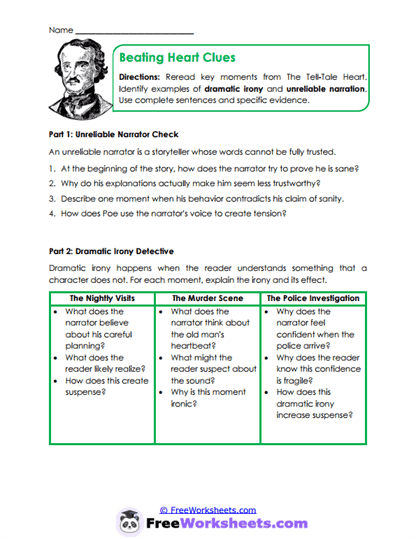
Novel Study
Novel studies help students think more deeply about characters, conflicts, and themes across longer texts. A great strategy is to discuss how characters change throughout the story and what lessons they learn. These activities strengthen literary analysis, comprehension, and discussion skills.
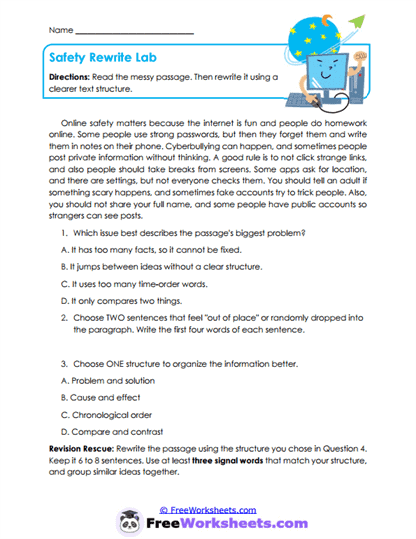
Text Structure
Recognizing text structure helps students understand how ideas and information are organized in a passage. Practice identifying patterns like cause and effect, chronological order, or problem and solution while reading together. These worksheets strengthen comprehension, organization, and analytical reading skills.
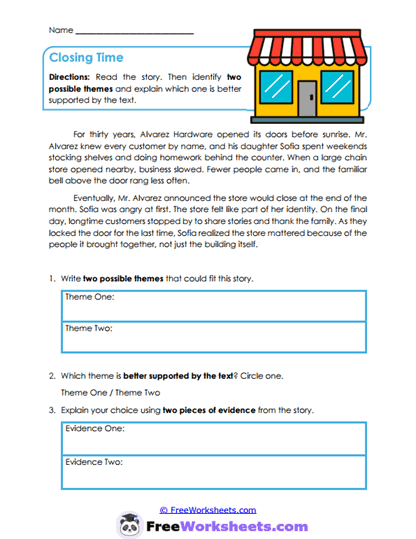
Themes
Understanding themes helps students uncover the deeper messages authors want readers to think about. Encourage your child to support their ideas with specific examples from the story instead of guessing. These activities strengthen interpretation, comprehension, and evidence-based reasoning skills.