
About This Worksheet
This worksheet helps students take the next step by acting like real readers-they have to figure out which text feature helped them find each answer. Instead of just reading, they are thinking about how they got the information.
That’s a powerful shift. It helps students understand that different features-like headings, captions, diagrams, and glossaries-all have specific jobs.
This kind of thinking builds strong, independent readers who know how to use the tools in a text.
Curriculum and Grade Alignment
This worksheet supports Grade 2 informational text skills and aligns with CCSS RI.2.5 and RI.2.7.
Student Tasks
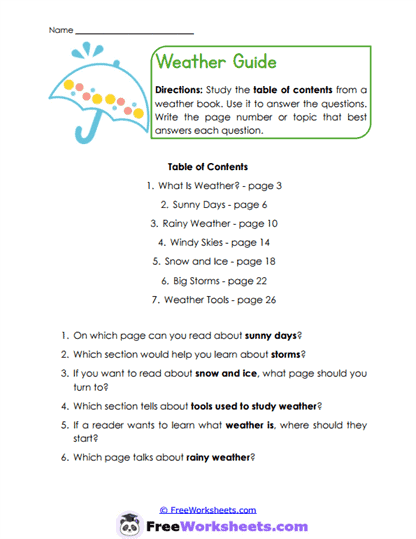
Students read a short informational page and answer questions, then identify which text feature helped them find each answer.
Common Challenges and Misconceptions
Students may answer correctly but struggle to name the feature they used.
A helpful prompt is: “Where did you find that answer-was it in the picture, label, or text?”
Implementation Guidance
Have students point directly to the feature they used before writing their answer.
Details and Features
This worksheet is designed to deepen students’ understanding of how nonfiction texts are organized. It includes multiple text features in one place, giving students a chance to compare how each one works. The questions guide students to actively use those features instead of ignoring them. This builds both comprehension and strategy use at the same time. It also encourages students to slow down and think about their reading process, which is an important habit to build early.
Curriculum Overlap
Understanding how to use features supports many skills.
- Improves comprehension strategies
- Builds research skills
- Supports independent reading
- Strengthens critical thinking