
Grade 6 Worksheets
This 6th grade printable worksheet collection is fully aligned with core curriculum standards across Language Arts, Math, Science, History/Social Studies, and Enrichment, supporting students as they transition into more rigorous middle school expectations. The materials strengthen analytical reading, evidence-based writing, mathematical reasoning, scientific literacy, and historical thinking while reinforcing executive function skills like organization and independent learning. Designed as a cohesive, curriculum-mapped system rather than isolated practice, the collection builds fluency, critical thinking, and academic confidence for success in middle school and beyond.
Math
Reading
-
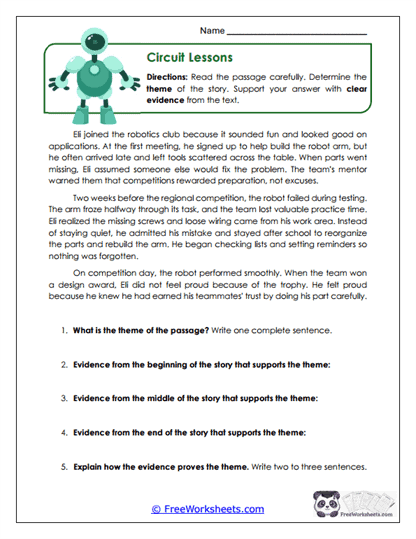
6th Grade Reading Comprehension
-
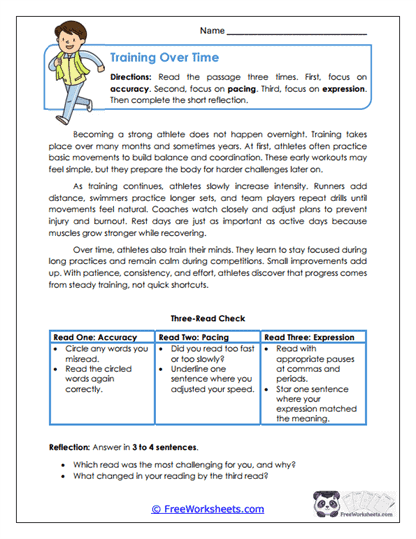
6th Grade Reading Fluency
-
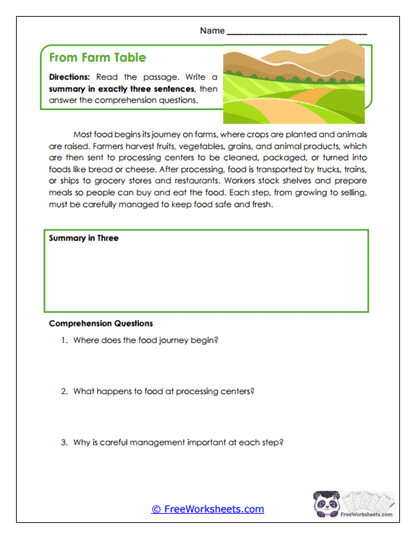
6th Grade Reading Passages
-
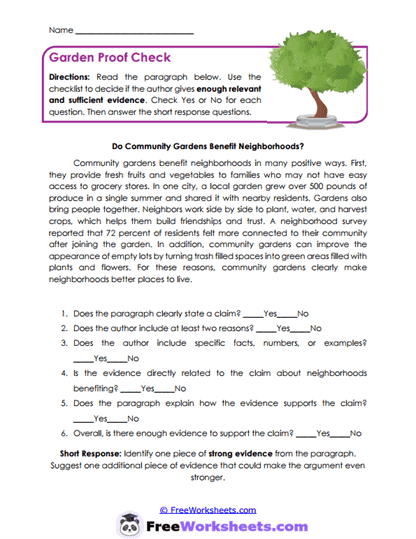
Analyzing Arguments
-
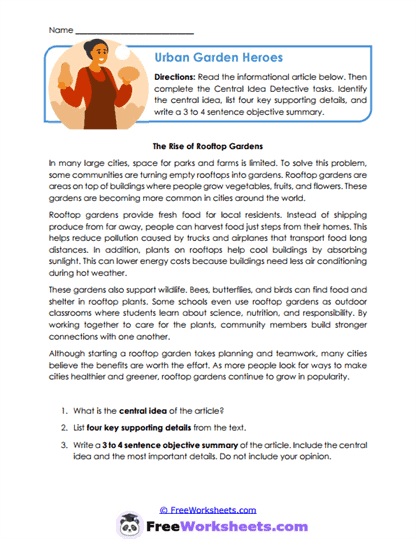
Analyzing Informational Texts
-
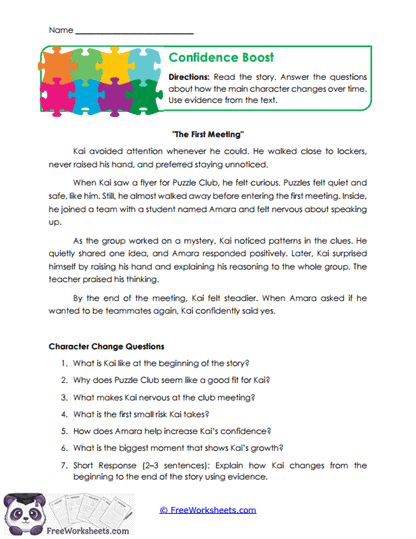
Analyzing Literature
-
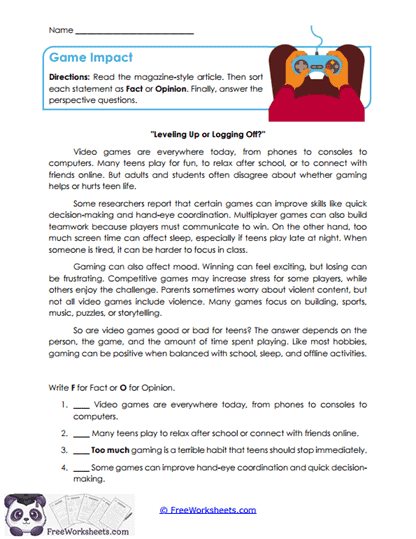
Author's Perspective
-
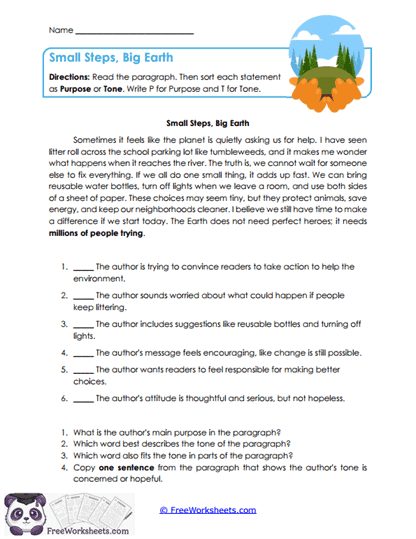
Author's Purpose and Tone
-
Comparing Texts
-
Literary Devices
-
Main Idea
-
Nonfiction Book Study
-
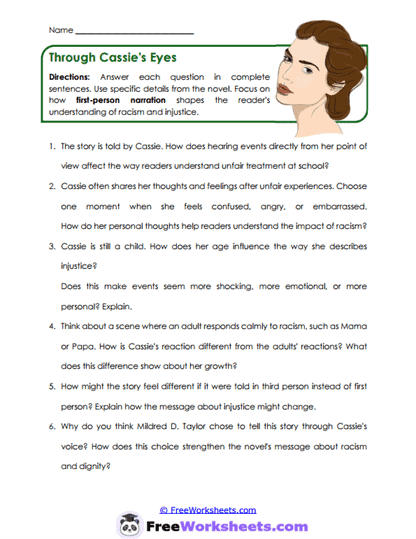
Novel Study
-
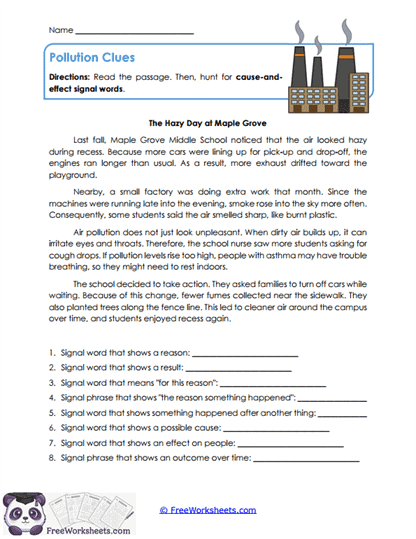
Text Structure
-
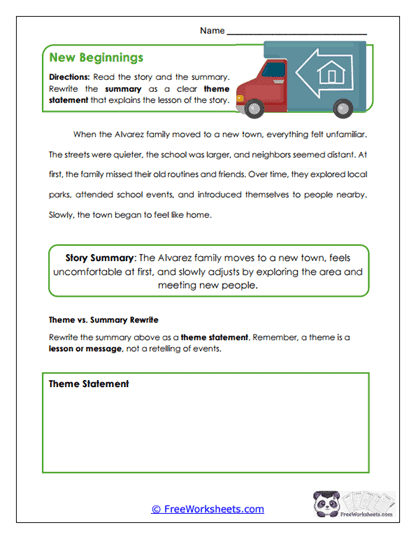
Theme
-
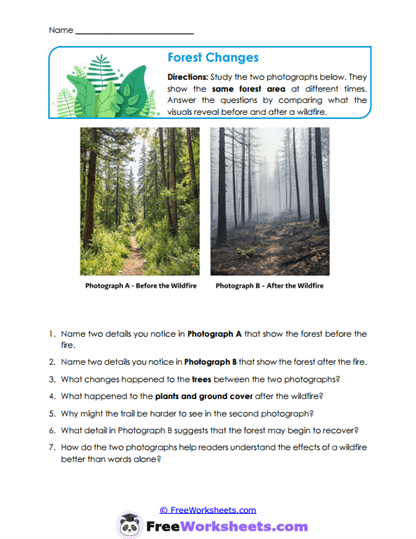
Visual Elements
About This Collection of Worksheets
6th Grade is where students begin transitioning from elementary learning habits into true middle school-level academics. Reading becomes more evidence-based, writing becomes more structured, and math introduces more abstract reasoning, multi-step processes, and problem-solving strategies.
This collection focuses on the core skills students practice throughout the 6th Grade year: text analysis, argumentative writing, ratios, fractions, decimals, algebra basics, vocabulary development, and critical thinking. The worksheets are designed to help students strengthen independence while improving accuracy, reasoning, and academic organization across subjects.
Students practice citing textual evidence, analyzing informational texts, solving multi-step math problems, interpreting data, and writing organized responses using stronger supporting details. These printable worksheets help students build the academic confidence and study habits needed for long-term middle school success.
Why Teachers Use This Collection
- Text evidence practice activities
- Ratios and fractions review
- Argumentative writing skill support
- Multi-step problem-solving practice
- Vocabulary development worksheets
- Informational text analysis pages
- Independent classroom work assignments
- Small group intervention resources
- Low-prep printable materials
- Middle school readiness reinforcement
Why Homeschoolers & Parents Use This Collection
- 6th Grade academic review
- Algebra readiness skill practice
- Reading comprehension reinforcement
- Structured writing skill development
- Printable independent learning pages
- Easy daily review activities
- Screen-free educational practice
- Homework and tutoring support
- Critical thinking skill building
- 7th Grade readiness preparation
A Look at the Categories of Worksheets
Math
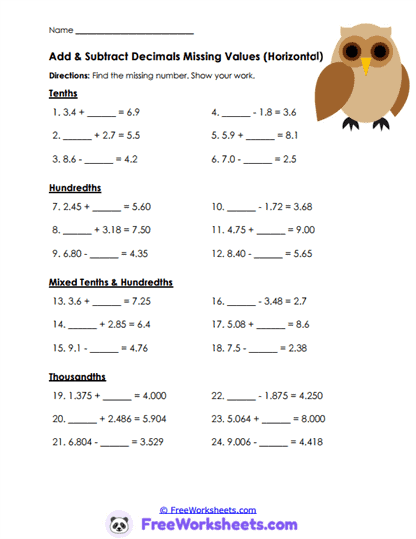
Add and Subtract Decimals
Adding and subtracting decimals helps children apply place value skills to money, measurements, and real-world calculations. Encourage your child to line up decimal points carefully before solving to keep place values organized. These activities strengthen decimal fluency, number sense, and mathematical accuracy skills.
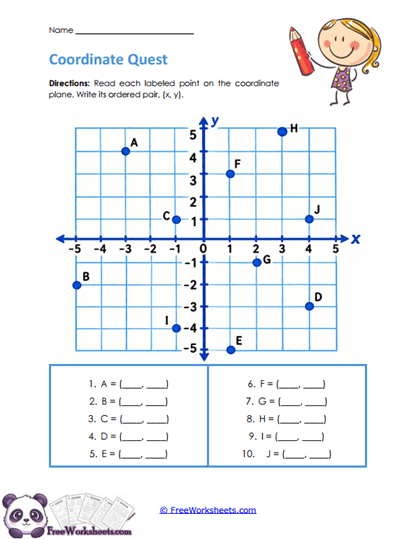
Coordinate Plane
Learning to work with the coordinate plane helps children understand how points, locations, and numerical relationships can be represented visually. Encourage your child to remember that coordinates are written in the order (x, y), moving horizontally first and vertically second. These activities strengthen graphing skills, spatial reasoning, and algebra readiness.
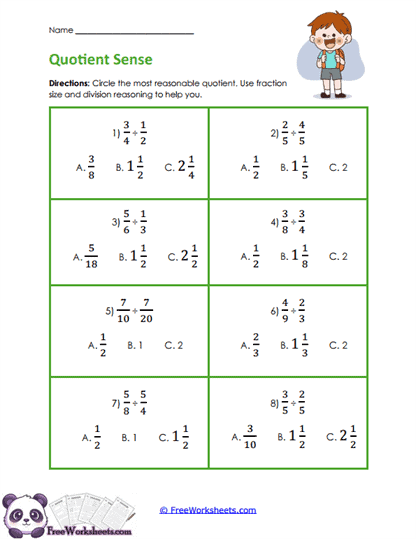
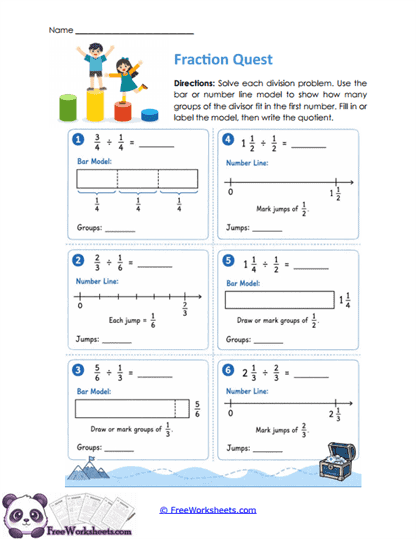
Divide Fractions
Dividing fractions helps children build a deeper understanding of fraction operations and solve problems involving sharing, measurement, and quantities. Encourage your child to use the “keep, change, flip” strategy to rewrite division problems as multiplication before solving. These worksheets strengthen fraction fluency, numerical reasoning, and problem-solving skills.
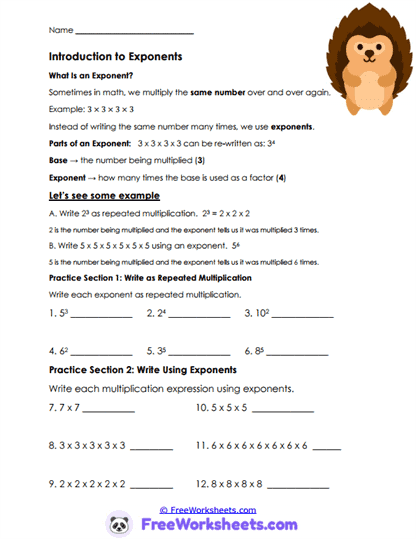
Exponents
Understanding exponents helps children recognize repeated multiplication and work more efficiently with larger numbers. A helpful strategy is to write out the repeated multiplication first so your child can clearly see what the exponent represents. These worksheets strengthen algebra readiness, numerical reasoning, and problem-solving skills.
Fractions And Decimals
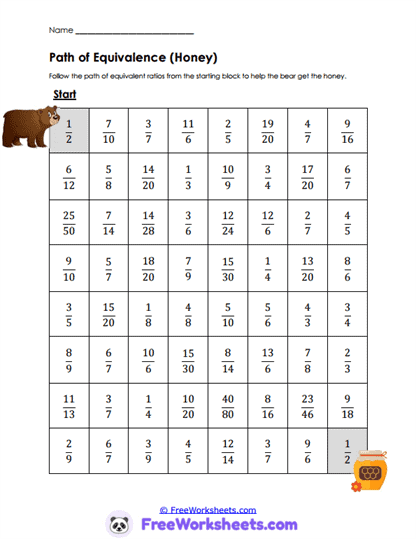
Understanding the relationship between fractions and decimals helps children recognize different ways to represent the same value. Using familiar benchmarks like one-half, one-fourth, and three-fourths can help your child make connections between common fractions and their decimal equivalents. These activities strengthen number sense, fraction and decimal fluency, and mathematical reasoning skills.
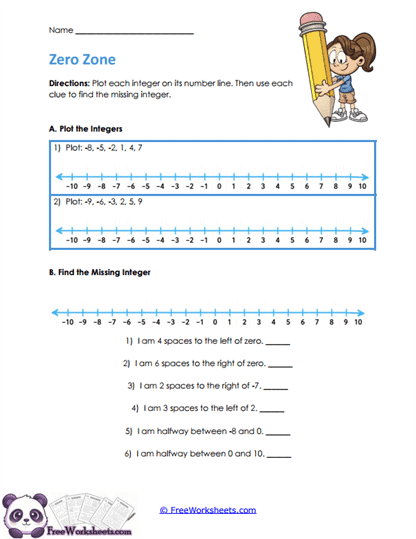
Integers
Working with integers helps children understand positive and negative numbers and how they are used in situations such as temperatures, elevations, and financial changes. Using a number line can help your child visualize the position and distance of integers from zero. These worksheets strengthen number sense, comparison skills, and mathematical reasoning.
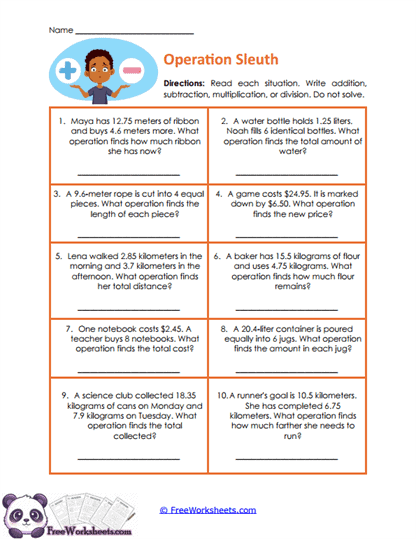
Mixed Operations with Decimals
Solving mixed operations with decimals helps children combine addition, subtraction, multiplication, and division skills in more complex calculations. Encourage your child to identify the operation needed and pay close attention to decimal placement at each step. These activities strengthen decimal fluency, computational accuracy, and multi-step problem-solving skills.
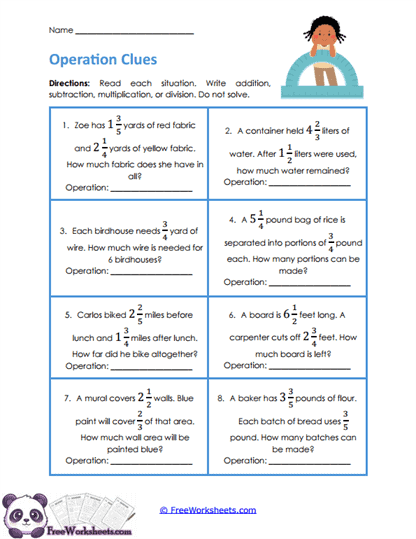
Mixed Operations with Fractions
Working with mixed operations involving fractions helps children apply addition, subtraction, multiplication, and division strategies across a variety of problems. Encourage your child to look carefully at the operation first and simplify fractions whenever possible to make calculations easier. These worksheets strengthen fraction fluency, numerical reasoning, and multi-step problem-solving skills.
Number Theory
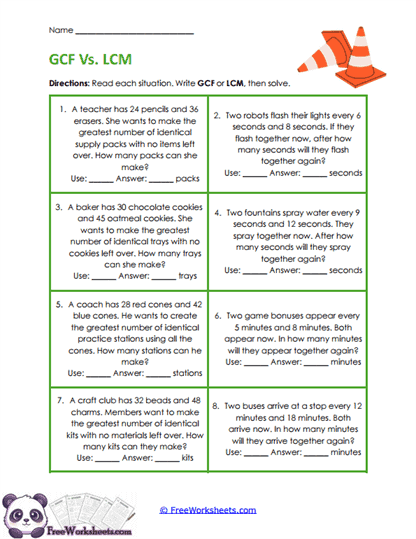
Exploring number theory helps children understand the patterns and properties of numbers, including factors, multiples, prime numbers, and divisibility. Encourage your child to look for patterns and use factor lists or multiplication facts when investigating how numbers are related. These activities strengthen number sense, logical reasoning, and mathematical problem-solving skills.
Ratio Relationships
Learning ratio relationships helps children compare quantities and understand how numbers relate to one another in real-life situations. Try using everyday examples like recipes or sports scores to make ratios easier to visualize and discuss. These activities strengthen proportional reasoning, mathematical thinking, and analytical problem-solving skills.
Rational Numbers
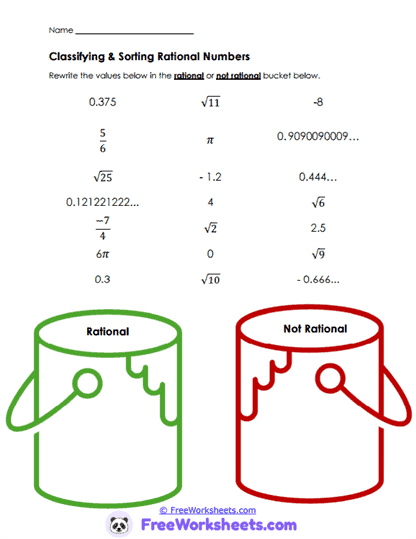
Working with rational numbers helps children understand positive and negative values, fractions, and decimals as part of the same number system. Using number lines can help your child better visualize how numbers compare and move in different directions. These worksheets strengthen number sense, integer operations, and mathematical reasoning skills.
Unit Rates
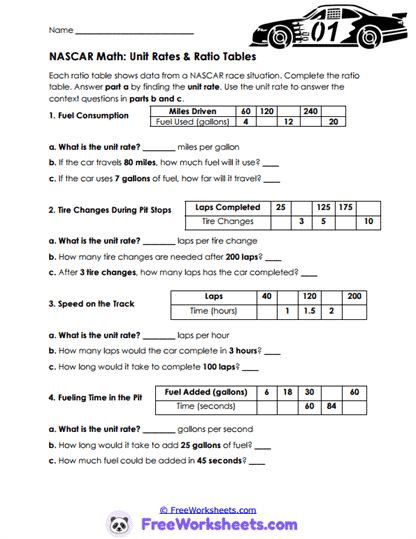
Understanding unit rates helps children compare values and make sense of real-world math situations like pricing, speed, and measurements. Encourage your child to ask, “How much for one?” when solving rate problems to simplify the thinking process. These activities strengthen proportional reasoning, analytical thinking, and real-world problem-solving skills.
Reading
Analyzing Arguments
Learning how to analyze arguments helps children separate strong opinions from weak reasoning. A helpful strategy is to ask your child, “What evidence supports this claim?” while reading articles or opinions together. These worksheets strengthen critical thinking, reasoning, and evidence-based analysis skills.
Analyzing Informational Texts
Analyzing informational texts helps children better understand real-world reading in subjects like science and social studies. Encourage your child to highlight key details and summarize important ideas after each section. These activities strengthen nonfiction comprehension, organization, and analytical reading skills.
Analyzing Literature
Analyzing literature helps children think more deeply about characters, themes, and story events instead of simply recalling details. A great strategy is to ask your child why a character acted a certain way and what message the story teaches. These worksheets strengthen comprehension, literary analysis, and critical thinking skills.
Author’s Perspective
Understanding an author’s perspective helps children recognize opinions, beliefs, and possible bias within a text. Encourage your child to ask whether the author seems neutral or strongly opinionated while reading. These activities strengthen critical thinking, perspective-taking, and reading analysis skills.
Author’s Purpose and Tone
Recognizing purpose and tone helps children better understand both the message and emotion behind a text. A helpful strategy is to look for words that sound serious, persuasive, humorous, or emotional while reading together. These worksheets strengthen comprehension, vocabulary, and analytical reading skills.
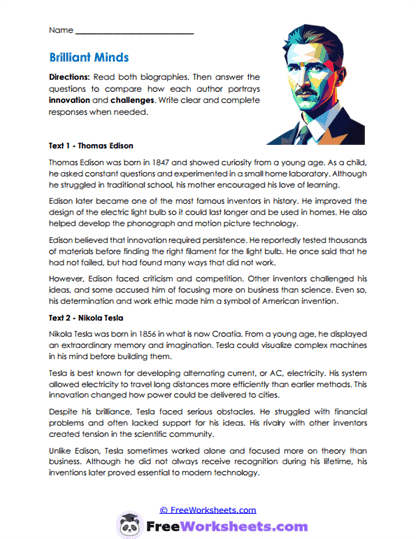
Comparing Texts
Comparing texts helps children notice similarities and differences in ideas, themes, and writing styles. Try asking your child how two passages are alike and what makes them different after reading. These activities strengthen comprehension, analytical thinking, and organizational skills.
Grade 6 Fluency Practice
Strong fluency helps children read smoothly while focusing on meaning and understanding. Reading aloud with proper pacing and expression can help your child sound more natural and confident over time. These worksheets strengthen fluency, comprehension, and reading confidence.
Grade 6 Reading Comprehension
As reading becomes more advanced, strong comprehension skills help children analyze, explain, and connect ideas across texts. Encourage your child to support answers with evidence directly from the passage whenever possible. These activities strengthen comprehension, critical thinking, and evidence-based reasoning skills.
Grade 6 Reading Passages
Reading a variety of passages helps children build confidence with different writing styles and topics. A simple strategy is to have your child pause occasionally and summarize what they just read in one or two sentences. These worksheets strengthen comprehension, vocabulary, and reading stamina.
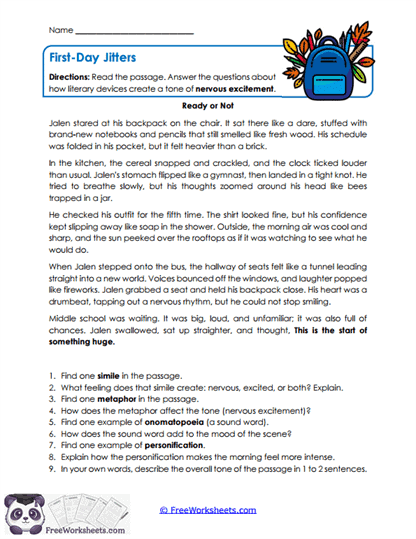
Literary Devices
Understanding literary devices helps children recognize how authors make writing more vivid, emotional, and meaningful. Point out examples of similes, metaphors, or imagery while reading together to help these concepts feel more natural. These worksheets strengthen figurative language, literary analysis, and comprehension skills.
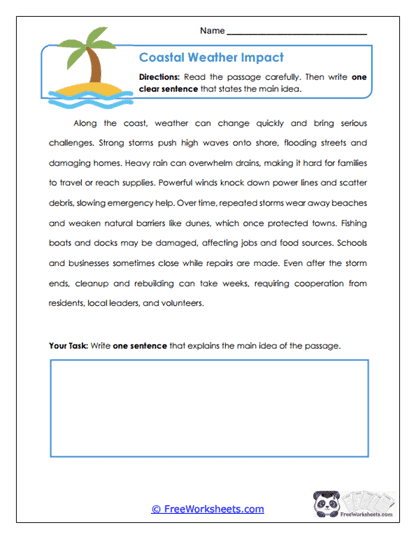
Main Idea
Finding the main idea helps children focus on the most important message in a text instead of getting distracted by small details. A helpful strategy is to ask, “What is the author mainly trying to say here?” after reading each section. These activities strengthen summarizing, comprehension, and organizational thinking skills.
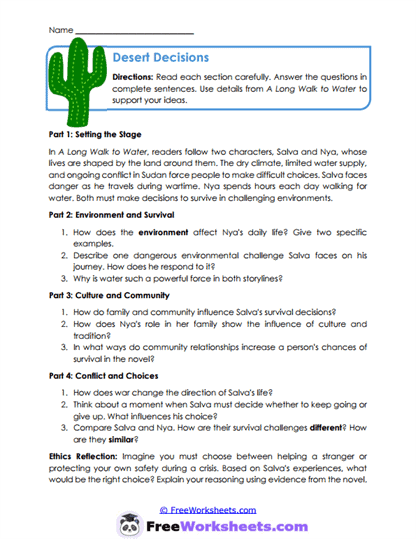
Nonfiction Book Study
Studying a nonfiction book helps children follow ideas across longer texts and understand how facts, examples, and explanations work together. Encourage your child to pause after each chapter and summarize the most important information in their own words. These worksheets strengthen nonfiction comprehension, note-taking, and analytical reading skills.
Novel Study
A novel study helps children think more deeply about characters, conflicts, themes, and how a story develops over time. Try asking your child how a character changes from the beginning of the book to the end and what events caused that change. These activities strengthen literary analysis, comprehension, and evidence-based thinking skills.
Text Structure
Recognizing text structure helps children understand how an author organizes ideas and how those ideas connect. Encourage your child to look for patterns such as cause and effect, compare and contrast, sequence, or problem and solution while reading. These worksheets strengthen comprehension, organization, and analytical reading skills.
Theme
Understanding theme helps children identify the deeper message or lesson an author develops throughout a text. A helpful strategy is to ask your child what the story seems to teach and which events or character choices support that idea. These activities strengthen literary analysis, inference, and evidence-based comprehension skills.
Visual Elements
Visual elements can add meaning, clarify information, and shape how readers understand a text. Encourage your child to study charts, illustrations, photographs, or diagrams and explain how they support or expand on the written information. These worksheets strengthen visual literacy, comprehension, and analytical thinking skills.