
12th Grade Reading Comprehension Worksheets
This worksheet collection helps build college-ready analysis through complex texts and evidence-based writing. These free, ready-to-print PDF worksheets are designed for immediate classroom use with rigorous, text-dependent prompts. Students strengthen argument evaluation, rhetorical purpose analysis, precise summarizing, inference, and academic vocabulary skills.
About This Collection of Worksheets
12th Grade reading comprehension focuses on senior-level analytical precision: students must evaluate claims, assess evidence quality, detect reasoning flaws, and explain how diction, syntax, and structure shape meaning. This collection aligns to Common Core expectations for citing strong evidence, determining central ideas, analyzing author purpose and word choice, and evaluating argument validity (including RI.11-12.1, RI.11-12.2, RI.11-12.4, RI.11-12.6, RI.11-12.8, L.11-12.1, and W.11-12.1). The texts emphasize real-world issues and policy debates, preparing students for college composition, rhetorical analysis, and research-based argument.
These worksheets are flexible for AP English Language preparation, advanced nonfiction units, debate and civic literacy instruction, SAT/ACT-style close reading practice, and writing workshops. Teachers can use them as guided analysis, independent practice, formative assessments, or discussion launchers. Many prompts naturally extend into short argumentative responses, counterclaim writing, or revision tasks that mirror college-level expectations.
Each printable PDF is classroom-ready with ink-friendly formatting and clear space for paragraph-length responses. Tasks are structured to move students from identification to evaluation-claim to reason, evidence to credibility, tone to purpose, and critique to revision. The collection supports consistent routines of quoting accurately, explaining reasoning, and strengthening academic writing through tight evidence use.
Paul’s Teacher Tip
At this level, students need to move from identifying to judging. Push them to answer not just “What is the author doing?” but “How well does it work-and why?” Encourage sentence frames like “This evidence is effective because…” or “The author’s reasoning is weak because…”. This shift builds the analytical voice students need for college writing, AP exams, and real-world argument evaluation.
Worksheet Collection Skill Spotlights
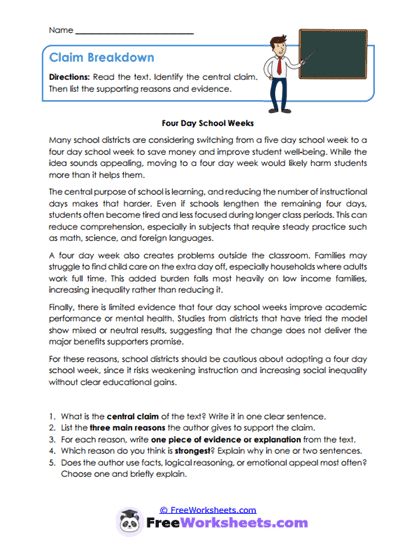
Claim Breakdown
• What Kids Do – Students identify a text’s claim, reasons, and supporting evidence, then evaluate which is strongest.
• Target Skill – Builds analysis of argument structure and effectiveness of support.
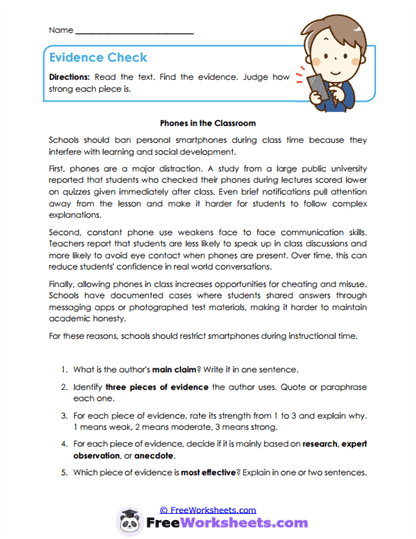
Evidence Check
• What Kids Do – Students examine different types of evidence and judge their strength and credibility.
• Target Skill – Develops evaluation of evidence quality and relevance.
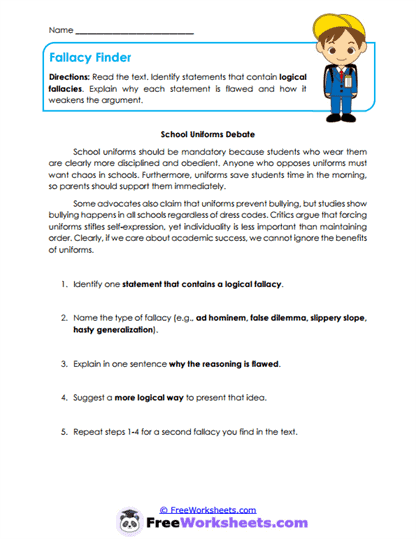
Fallacy Finder
• What Kids Do – Students identify logical fallacies and revise flawed arguments.
• Target Skill – Builds detection of faulty reasoning and argument improvement.
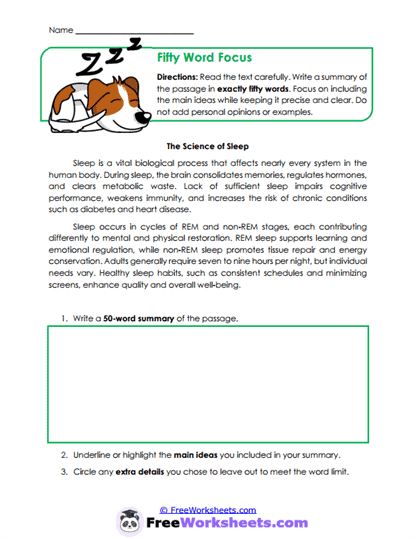
Fifty Word Focus
• What Kids Do – Students write and refine a precise 50-word summary of a text.
• Target Skill – Develops concise summarizing and prioritizing key ideas.
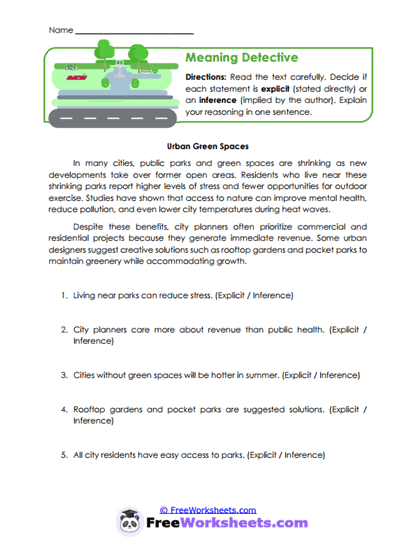
Meaning Detective
• What Kids Do – Students label statements as explicit or inferred and justify with evidence.
• Target Skill – Builds evidence-based inference and close reading accuracy.
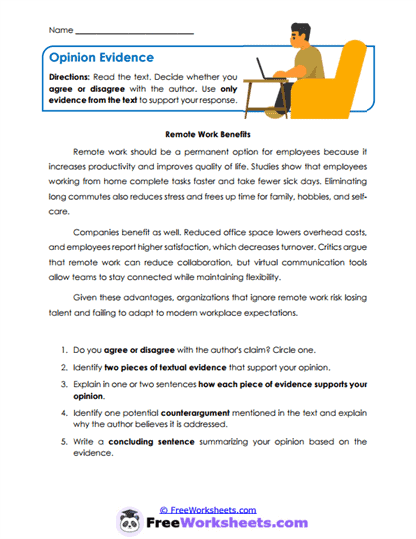
Opinion Evidence
• What Kids Do – Students write a short argument using textual evidence and address a counterargument.
• Target Skill – Develops evidence-based writing and counterclaim analysis.
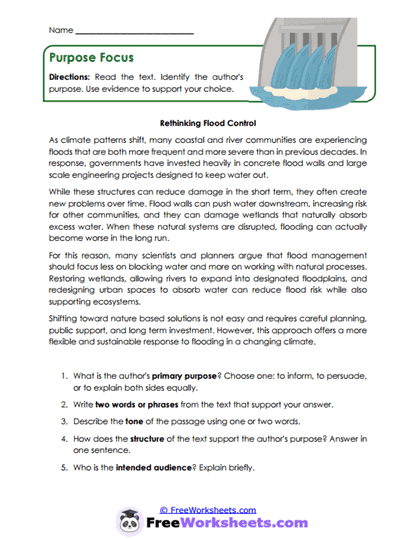
Purpose Focus
• What Kids Do – Students determine the author’s purpose and support it using tone, structure, and diction.
• Target Skill – Builds analysis of author purpose and audience.
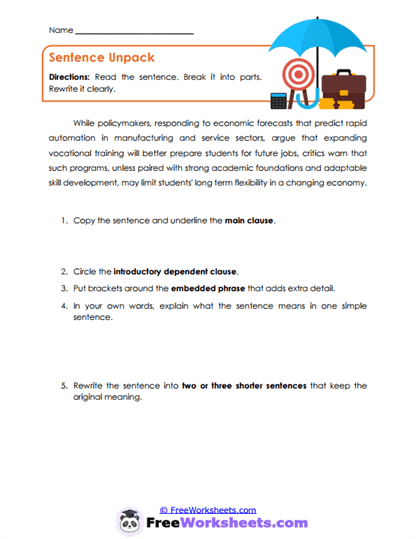
Sentence Unpack
• What Kids Do – Students break down complex sentences and rewrite them clearly.
• Target Skill – Develops understanding of syntax and clarity in academic language.
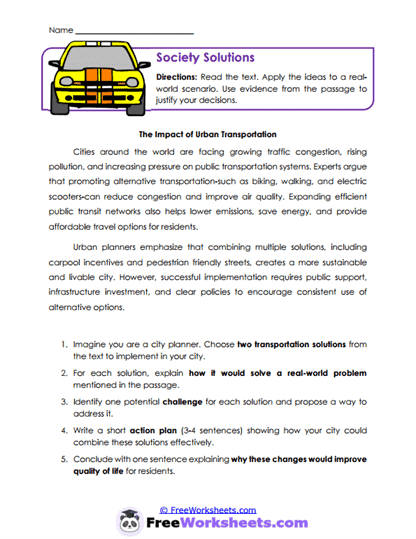
Society Solutions
• What Kids Do – Students apply ideas from a text to propose real-world solutions with evidence.
• Target Skill – Builds synthesis and application of informational text.
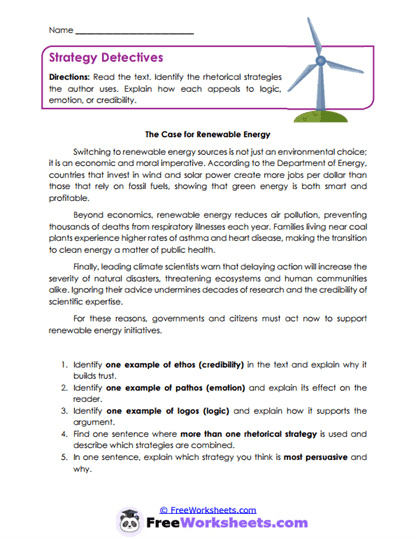
Strategy Detectives
• What Kids Do – Students identify rhetorical appeals (ethos, pathos, logos) and explain their impact.
• Target Skill – Develops rhetorical analysis and persuasive evaluation.
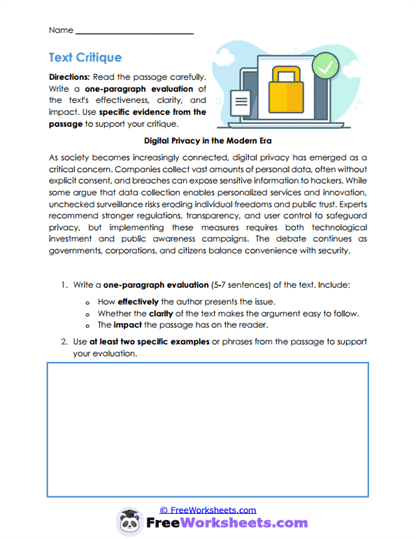
Text Critique
• What Kids Do – Students write a critique evaluating clarity, structure, and effectiveness with evidence.
• Target Skill – Builds analytical writing and evaluative reasoning.
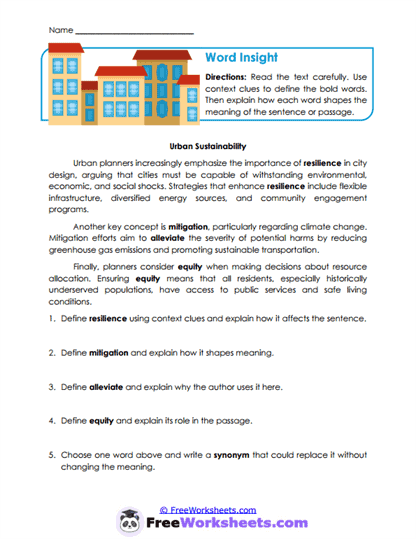
Word Insight
• What Kids Do – Students analyze word meaning, tone, and the impact of diction choices.
• Target Skill – Develops understanding of how vocabulary shapes meaning and argument.