
Literary Devices Worksheets
These worksheets help students understand how authors use language to create meaning, emotion, and tone. These free, ready-to-print PDF worksheets are designed for immediate classroom use or easy at-home learning. Students build skills like analyzing figurative language, interpreting symbolism, and explaining how literary techniques shape a text.
About This Collection of Worksheets
This collection focuses on helping students move beyond identifying literary devices and begin explaining how they work. Each worksheet gives students a chance to connect devices like metaphor, simile, imagery, and symbolism to their effects on the reader. Through short passages, poems, and comparisons, students learn how authors carefully choose language to shape meaning and emotion.
Students are guided to support their thinking with clear evidence from the text. Many activities require them to underline key phrases, explain tone shifts, or connect symbols to deeper ideas. This helps build strong habits for both reading comprehension and analytical writing. Over time, students become more confident in explaining how and why authors use specific techniques.
The worksheets are designed to build skills step-by-step, starting with identifying literary devices and moving toward deeper interpretation and creative application. Students analyze tone changes, explore symbolism, compare how devices affect meaning, and even create their own metaphors. These resources align with Grade 10 standards and support both reading and writing development.
Paul’s Teacher Tip
When teaching literary devices, remind students that the goal is not just to name the device, but to explain what it does. Encourage them to always ask, “How does this affect the reader?” It can help to model one example together and think out loud about both the meaning and the feeling it creates. If students struggle, guide them to focus on key phrases and describe what they notice before jumping to conclusions. Over time, they will become more confident in both identifying and explaining literary techniques.
Worksheet Collection Skill Spotlights
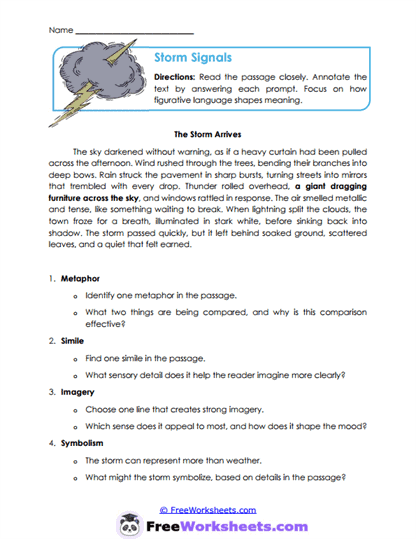
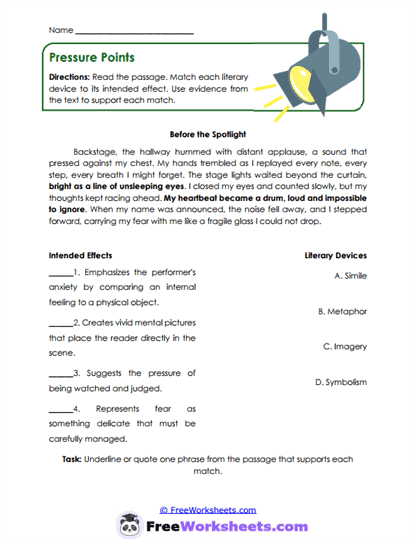
Pressure Points
- What Kids Do:
Students read a passage about stage fright and match literary devices like metaphor and imagery to their effects. They underline evidence that supports each match. This helps them connect language to emotion. - Target Skill:
Students build skills in identifying figurative language and explaining its impact. They learn how specific devices shape meaning. This supports deeper literary analysis.
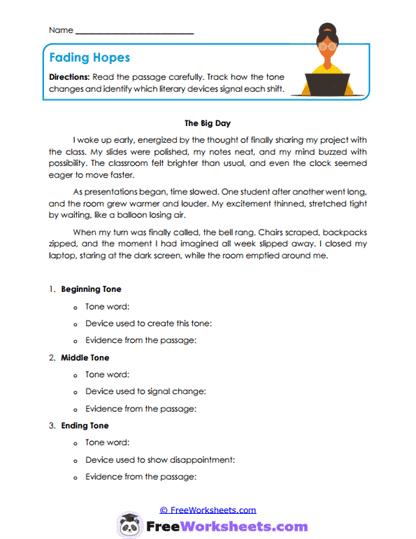
Fading Hopes
- What Kids Do:
Students track how tone changes from the beginning to the end of a passage. They identify tone words and the devices that signal those shifts. This builds awareness of emotional progression. - Target Skill:
Students strengthen their ability to analyze tone shifts and connect them to literary devices. They learn how authors signal change. This supports comprehension and interpretation.
New Choices
- What Kids Do:
Students analyze figurative language in a narrative passage and match devices to their effects. They support their answers with text evidence. This reinforces careful reading. - Target Skill:
Students develop skills in connecting literary devices to emotional impact. They learn to use evidence to support analysis. This supports critical thinking.
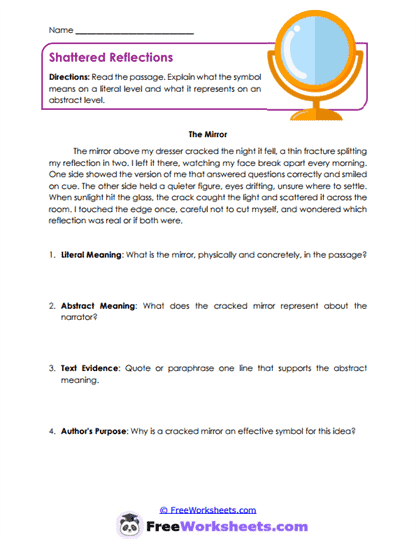
Shattered Reflections
- What Kids Do:
Students analyze a symbolic object, like a cracked mirror, and explain what it represents. They connect details to deeper meaning. This builds interpretive thinking. - Target Skill:
Students improve their ability to analyze symbolism and connect it to theme. They learn to move beyond literal meaning. This supports advanced comprehension.
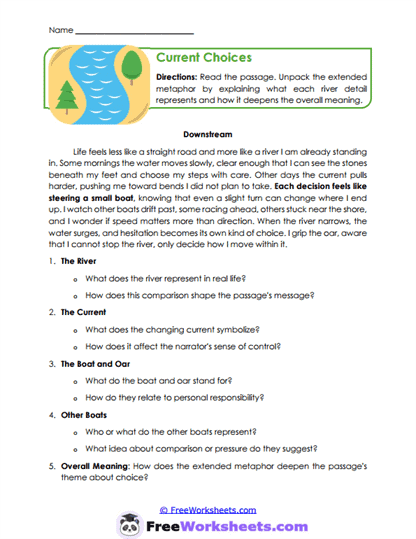
Current Choices
- What Kids Do:
Students break down an extended metaphor comparing life to a river. They explain what each part represents. This helps them see how ideas connect across a text. - Target Skill:
Students build skills in analyzing extended metaphors and connecting details to a larger message. They learn how figurative language develops meaning. This supports deeper analysis.
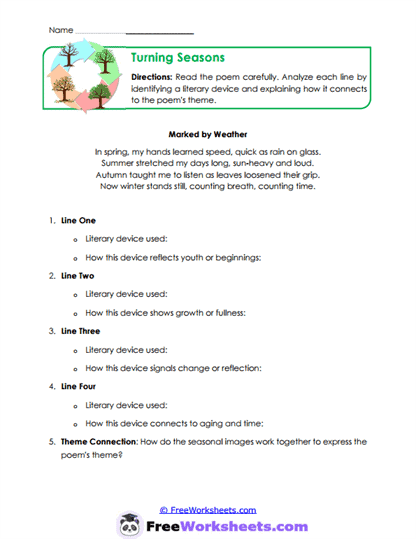
Turning Seasons
- What Kids Do:
Students read a poem and identify literary devices line by line. They explain how each line connects to a larger theme. This builds strong poetry analysis skills. - Target Skill:
Students strengthen their ability to analyze poetic devices and connect them to theme. They learn how small details build meaning. This supports literary interpretation.
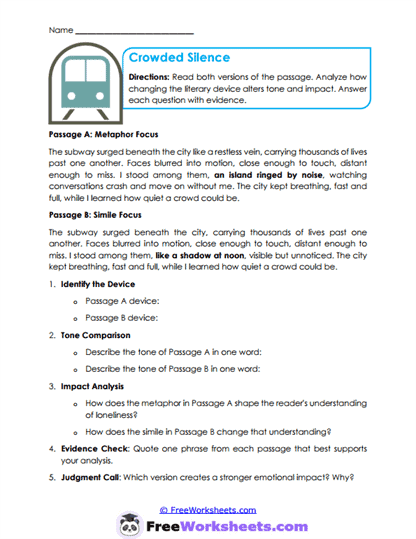
Crowded Silence
- What Kids Do:
Students compare two similar passages that use different literary devices. They explain how each version changes tone and meaning. This builds comparison skills. - Target Skill:
Students develop skills in comparing how different devices affect a text. They learn to analyze subtle differences in tone. This supports advanced reading comprehension.
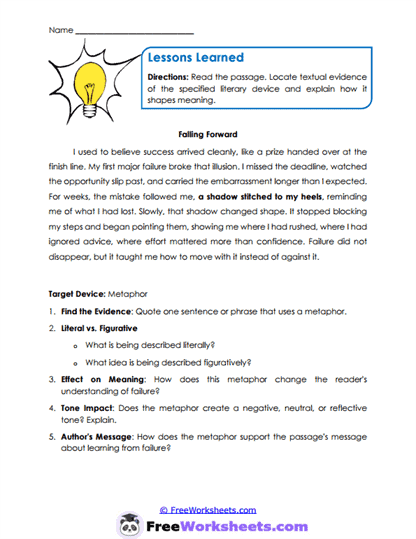
Lessons Learned
- What Kids Do:
Students find and explain a metaphor in a passage about failure. They describe both the literal and deeper meaning. This connects figurative language to theme. - Target Skill:
Students improve their ability to interpret metaphor and explain its purpose. They learn how language shapes understanding. This supports analysis and writing.
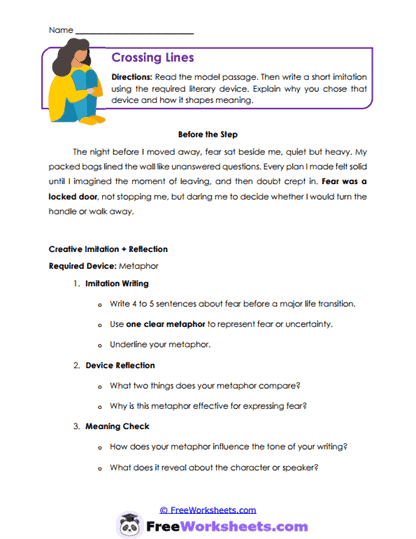
Crossing Lines
- What Kids Do:
Students write their own paragraph using a metaphor. They explain what their metaphor means and why it works. This builds creative and analytical skills together. - Target Skill:
Students develop skills in applying literary devices in writing. They learn to connect creative choices to meaning. This supports expression and comprehension.
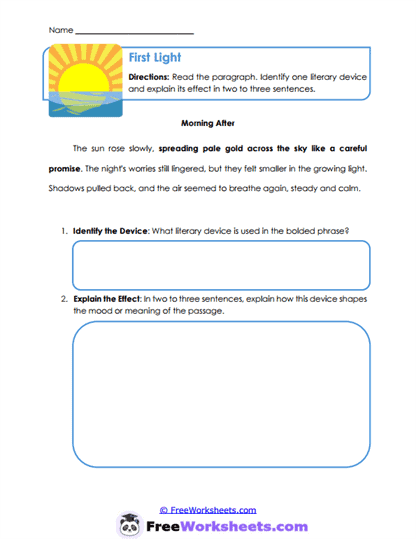
First Light
- What Kids Do:
Students identify a literary device in a short passage and explain how it shapes mood. They focus on one key phrase. This builds precise analysis skills. - Target Skill:
Students strengthen their ability to explain how a single device affects tone and meaning. They learn to focus on details. This supports close reading.
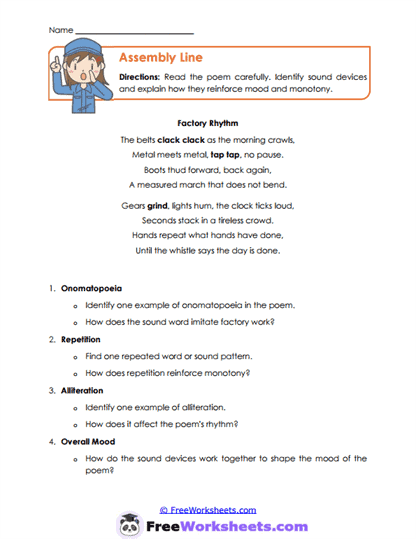
Assembly Line
- What Kids Do:
Students read a poem and identify sound devices like repetition and onomatopoeia. They explain how these create rhythm and mood. This builds awareness of sound in writing. - Target Skill:
Students develop skills in analyzing sound devices and their effects. They learn how sound shapes tone. This supports poetry comprehension.
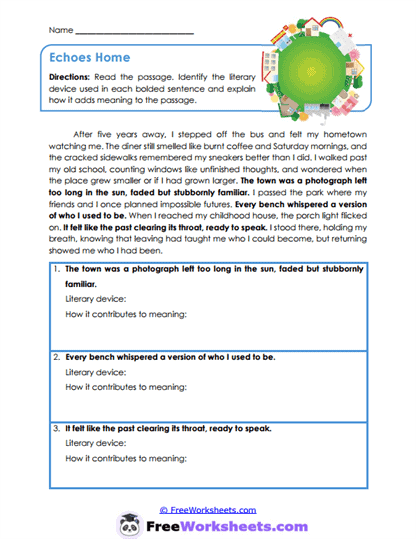
Echoes Home
- What Kids Do:
Students match figurative language to its effect in a passage about performance. They underline evidence to support their answers. This reinforces careful analysis. - Target Skill:
Students build skills in connecting literary devices to emotional impact using evidence. They learn to support their thinking clearly. This supports deeper comprehension.