
Analyzing Literature Worksheets
These worksheets help students explore how stories are built and what they mean. These free, ready-to-print PDF worksheets are designed for immediate classroom use or easy at-home learning. Students strengthen skills like analyzing theme, character development, tone, and author's purpose.
About This Collection of Worksheets
This collection focuses on helping students move beyond basic comprehension and into deeper literary analysis. Each worksheet asks students to think carefully about how authors develop characters, build tension, and communicate themes. Through short passages and focused questions, students learn to look closely at how details shape meaning.
Students are guided to explain their thinking using evidence, not just give answers. Many activities include writing tasks where students connect ideas like conflict, symbolism, and tone to larger themes. This helps build strong habits for discussion and essay writing. Over time, students become more confident in analyzing complex texts and expressing their ideas clearly.
The worksheets are designed to build skills step-by-step, from understanding character decisions to comparing texts and analyzing author’s craft. They align with Grade 10 standards and prepare students for advanced reading and writing tasks. These resources work well for classroom instruction, homework, or independent practice.
Paul’s Teacher Tip
When analyzing literature, remind students that every detail in a story is there for a reason. Encourage them to ask, “Why did the author include this?” as they read. It also helps to break down passages into smaller parts-looking at word choice, sentence structure, and character actions one step at a time. If students get stuck, have them explain their thinking out loud first before writing. Over time, this builds stronger and more confident analysis.
Worksheet Collection Skill Spotlights
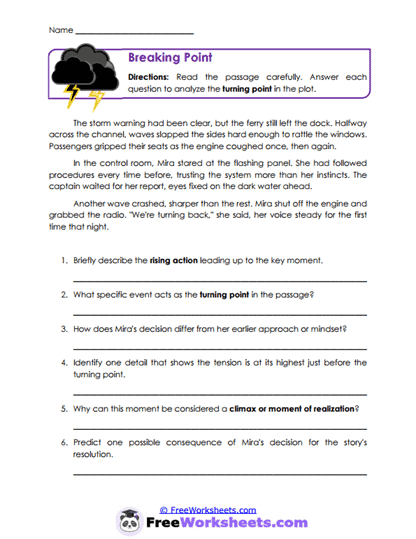
Breaking Point
- What Kids Do:
Students read a tense passage and identify the turning point in the story. They explain how events build up to that moment and why it matters. This helps them understand how stories develop. - Target Skill:
Students build skills in analyzing plot structure and identifying key moments like the climax. They learn how tension builds in a narrative. This supports deeper comprehension.
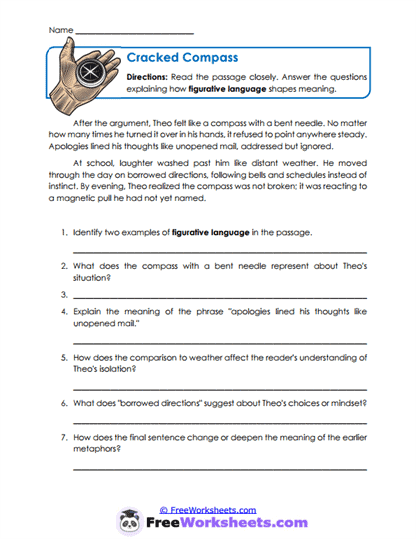
Cracked Compass
- What Kids Do:
Students read a passage and identify figurative language like metaphors and similes. They explain what each example means and how it shows the character’s feelings. This connects language to emotion. - Target Skill:
Students strengthen their ability to analyze figurative language and interpret meaning. They learn how comparisons reveal deeper ideas. This supports literary analysis.
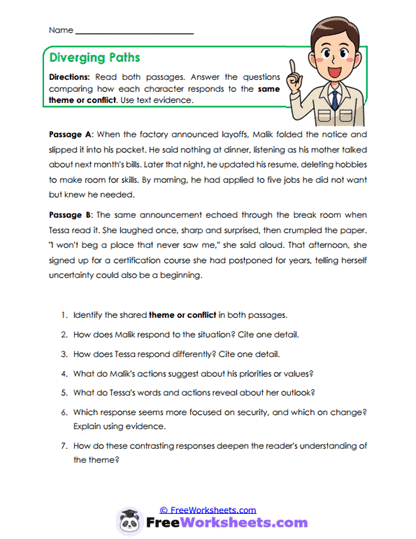
Diverging Paths
- What Kids Do:
Students compare two characters facing similar situations but making different choices. They explain how these choices reflect values and priorities. This encourages thoughtful comparison. - Target Skill:
Students develop skills in comparing themes and character responses across texts. They learn how different perspectives shape meaning. This supports advanced analysis.
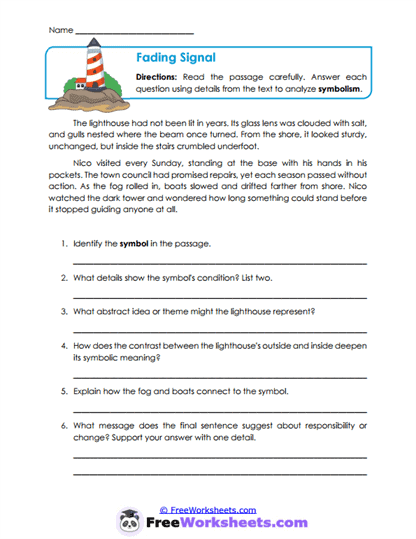
Fading Signal
- What Kids Do:
Students read a passage and identify a symbol, then explain what it represents. They connect details to deeper meaning. This helps them move beyond surface-level reading. - Target Skill:
Students build skills in analyzing symbolism and connecting details to themes. They learn how objects represent bigger ideas. This supports critical thinking.
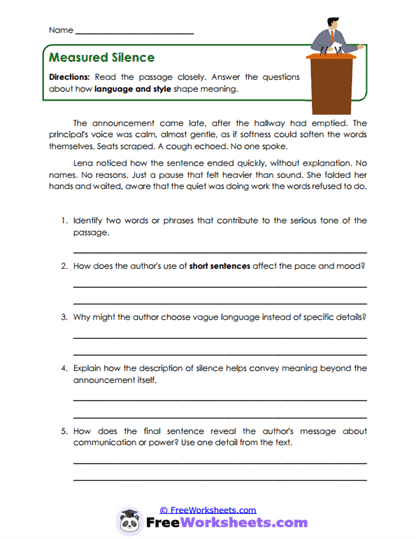
Measured Silence
- What Kids Do:
Students analyze how word choice and sentence length create tone and pacing. They explain how these choices affect the reader. This helps them notice author’s craft. - Target Skill:
Students strengthen their ability to analyze tone and how language shapes meaning. They learn how authors create mood through writing choices. This supports deeper comprehension.
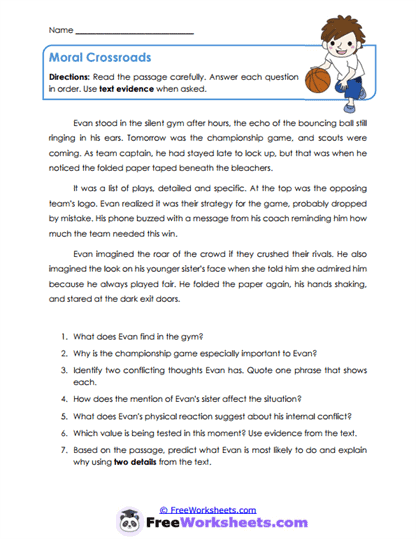
Moral Crossroads
- What Kids Do:
Students read about a character facing a difficult decision and analyze their internal conflict. They explain why the decision matters and predict what might happen next. This builds deeper understanding of characters. - Target Skill:
Students develop skills in analyzing character decisions and internal conflict. They learn how choices connect to larger themes. This supports literary analysis.
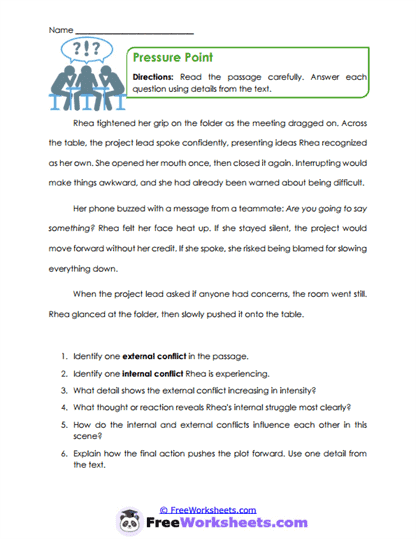
Pressure Point
- What Kids Do:
Students identify both internal and external conflicts in a passage. They explain how these conflicts build tension. This helps them understand how stories create drama. - Target Skill:
Students strengthen their ability to analyze different types of conflict. They learn how tension develops over time. This supports comprehension and analysis.
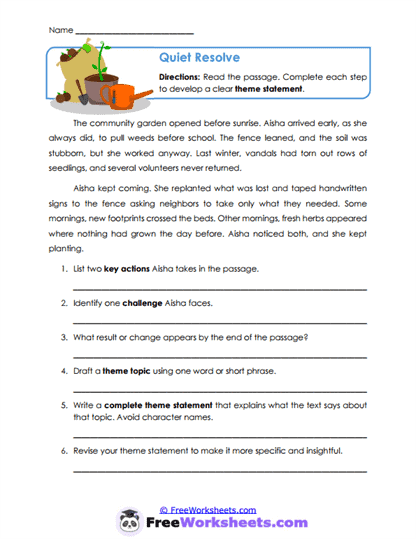
Quiet Resolve
- What Kids Do:
Students track a character’s actions and use them to develop a theme statement. They connect details to a larger message. This builds strong thinking and writing skills. - Target Skill:
Students improve their ability to identify and explain themes using evidence. They learn to connect actions to ideas. This supports writing and analysis.
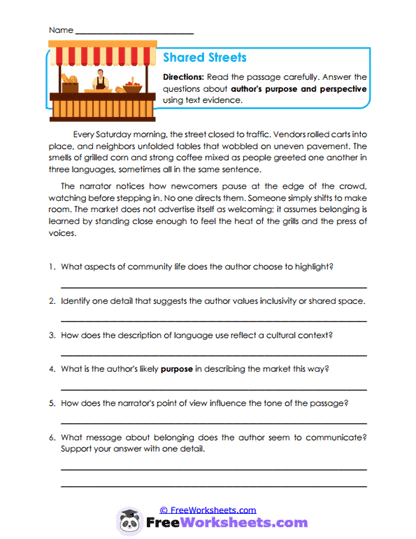
Shared Streets
- What Kids Do:
Students analyze a passage to understand the author’s purpose and message about community. They identify details that show perspective. This encourages thoughtful reading. - Target Skill:
Students develop skills in analyzing author’s purpose and perspective. They learn how details shape meaning. This supports deeper comprehension.
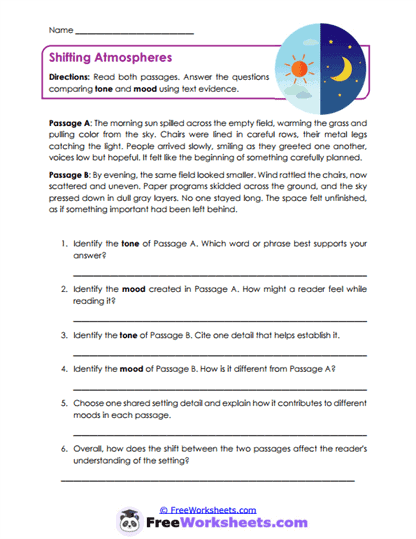
Shifting Atmospheres
- What Kids Do:
Students read two passages about the same setting and compare how mood changes. They explain how details create different feelings. This builds comparison skills. - Target Skill:
Students strengthen their ability to analyze tone and mood across texts. They learn how descriptions affect readers. This supports advanced analysis.
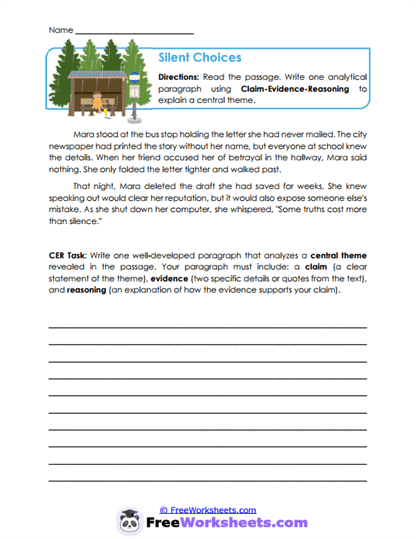
Silent Choices
- What Kids Do:
Students write a paragraph explaining a theme using claim, evidence, and reasoning. They connect ideas clearly and support them with details. This builds strong writing habits. - Target Skill:
Students develop skills in writing about theme using evidence-based reasoning. They learn to organize ideas clearly. This supports essay writing.
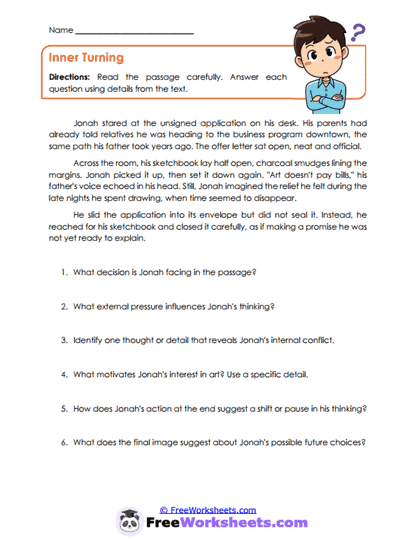
Inner Turning
- What Kids Do:
Students analyze a character’s thoughts and feelings during an important decision. They explain what influences the choice. This builds deeper understanding of character growth. - Target Skill:
Students strengthen their ability to analyze internal conflict and character development. They learn how decisions reveal change. This supports literary comprehension.