
Preschool Worksheets
These Preschool printable worksheets are thoughtfully designed to build the foundational skills young learners need for a confident start in Kindergarten. Through engaging, developmentally appropriate activities, children strengthen early literacy, numeracy, scientific thinking, social awareness, and fine motor skills while developing independence and a love of learning. Aligned with core early childhood standards, this collection provides families and educators with a complete, yearlong pathway to school readiness and academic success.
Early Math
-
Addition Up to 10
-
Addition Up to 5
-
Classifying Objects
-
-
Compare Numbers
-
Comparing Groups
-
Concept of Size
-
Describe Flat Shapes
-
Numbers and Counting to 10
-
Numbers and Counting to 20
-
Numbers and Counting To 3
-
Numbers and Counting to 5
-
Numbers and Counting to 7
-
One More and One Less
-
Patterns
-
Positions
-
Shapes in the Real World
-
Solid Shapes
Fine Motor Skills
Pre-Reading & Literacy
-
Beginning And Ending Sounds
-
Color and Number Words
-
Inference and Analysis
-
Letter Identification
-
Listening and Speaking
-
Preschool Fluency Practice
-
Preschool Reading Comprehension
-
Preschool Reading Passages
-
Preschool Sight Words
-
Preschool Vocabulary
-
Reality vs. Fiction
-
Spelling Foundations
-
Text Features
-
Vowel Sounds
-
Word Recognition
About This Collection of Worksheets
Preschool is where children begin learning the habits and foundational skills that make Kindergarten successful. This collection focuses on the core areas children need the most practice with before entering a structured classroom: letter recognition, beginning sounds, counting, fine motor control, listening skills, and independent work routines.
The worksheets are designed to give young learners repeated exposure to essential early learning skills through simple, focused activities. Students practice alphabet tracing, uppercase and lowercase matching, counting sets, shape recognition, patterns, sorting, visual discrimination, pencil control, and early phonological awareness in a way that feels manageable and age-appropriate.
Rather than pushing advanced academics too early, this collection emphasizes mastery of foundational skills first. The goal is to help children become comfortable with classroom-style learning while building confidence through repetition, consistency, and clear routines.
Why Teachers Use This Collection
- Morning work and centers
- Independent practice activities
- Phonics and sound recognition
- Early number sense practice
- Fine motor skill development
- Simple low-prep worksheets
- Small group skill review
- Kindergarten readiness support
- Structured classroom routines
- Easy printable extra practice
Why Homeschoolers & Parents Use This Collection
- Simple daily learning practice
- Screen-free educational activities
- Kindergarten readiness preparation
- Easy independent work pages
- Letter and number practice
- Pencil control and tracing
- Short manageable learning sessions
- Summer learning reinforcement
- Beginner homeschool curriculum support
- Confidence-building early practice
A Look at the Categories of Worksheets
Early Math
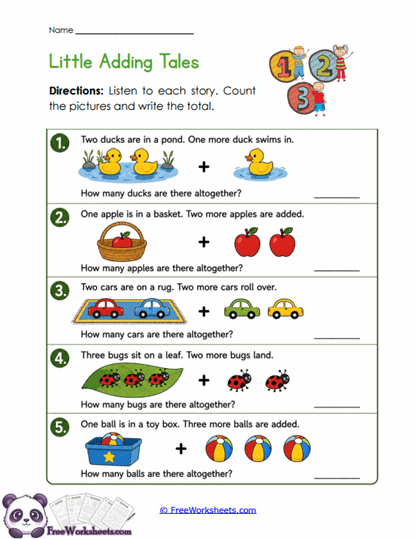
Addition Up to 5
These preschool addition worksheets are a fun and gentle way to introduce your child to adding numbers up to 5. Kids will practice putting small groups together, counting the total, and beginning to understand what addition means. The activities use simple pictures and easy number problems to keep learning approachable and engaging. This collection is a great first step for building confidence with early addition skills.
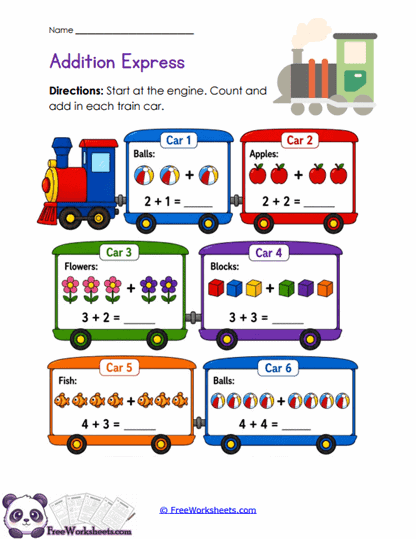
Addition Up to 10
Help your preschooler grow their addition skills with fun practice adding numbers up to 10. These worksheets give children opportunities to count objects, combine groups, and solve simple addition problems in an easy-to-understand way. A variety of activities keeps practice interesting while helping kids strengthen number sense and basic math skills. They are perfect for children who are ready to move beyond very small addition problems.
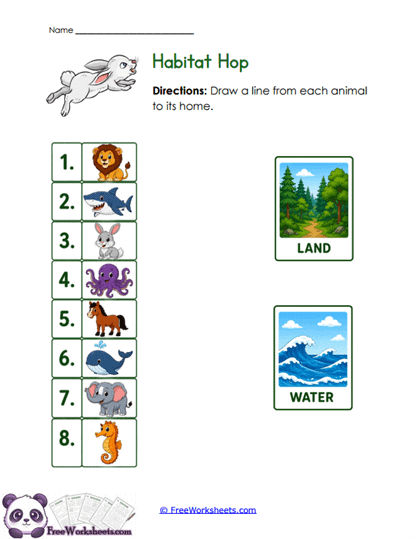
Classifying Objects
These classifying worksheets help preschoolers learn how to sort and group objects based on what they have in common. Children may look at characteristics such as shape, size, type, color, or other simple features as they complete each activity. Sorting is an important early math skill that also encourages careful observation and logical thinking. These fun worksheets make it easy for kids to practice noticing similarities and differences in the world around them.
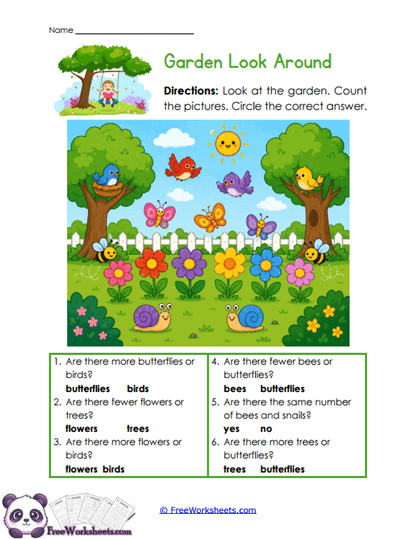
Compare Numbers
Help your preschooler begin to understand which numbers are greater, smaller, or the same with these simple comparison worksheets. Children will practice looking at numbers and groups of objects to decide which represents more or less. The activities are designed to make number comparison visual and easy for young learners to understand. This collection is a helpful way to strengthen number sense and prepare children for more advanced math concepts.
Comparing Groups
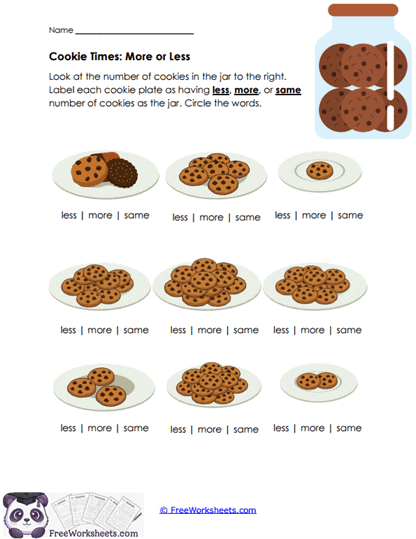
Learning “more,” “less,” and “the same” helps children understand how numbers compare, which is an important first step before addition and subtraction. Try letting your child place small snacks, coins, or counters on each picture before answering so they can actually see the difference between groups. These activities build early number sense and one-to-one correspondence skills that prepare children for Kindergarten math.
Concept of Size
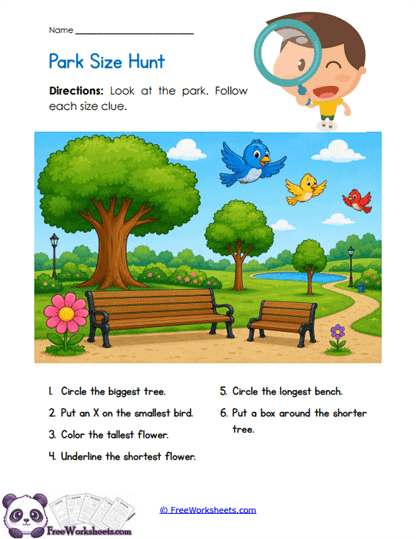
Help your preschooler build an early understanding of size with these fun and easy-to-follow worksheets. Children will practice comparing objects using concepts such as big and small, tall and short, long and short, and more. The activities use familiar pictures and simple directions to make learning feel natural and enjoyable. These worksheets are a great way to strengthen important comparison skills while building your child’s confidence with early math concepts.
Describe Flat Shapes
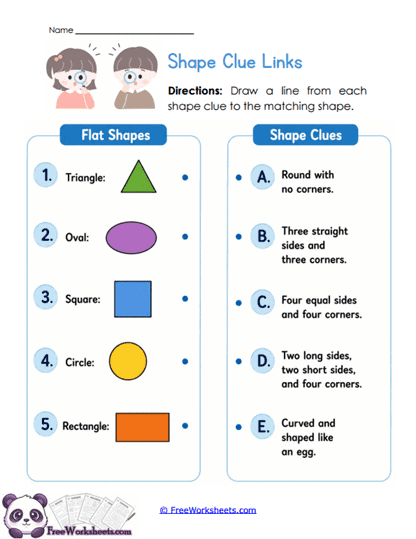
These preschool worksheets help children learn how to describe flat, or 2D, shapes by looking closely at their features. Kids can practice noticing characteristics such as the number of sides, corners, and the overall appearance of different shapes. Learning to talk about these features helps children understand how shapes are alike and how they are different. This collection makes early geometry practice fun while building useful math vocabulary and observation skills.
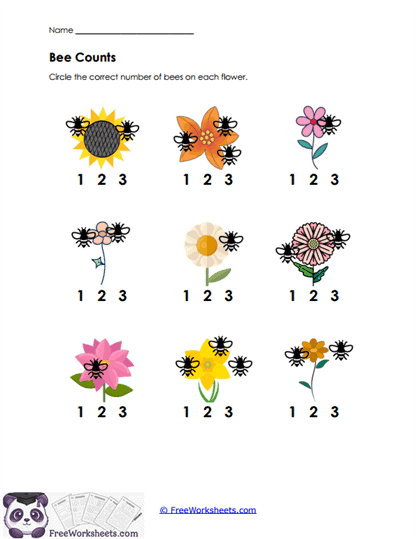
Numbers and Counting To 3
Counting to 3 may seem simple, but it teaches children how numbers connect to real amounts. Have your child touch each object as they count out loud to help them slow down and count accurately. These worksheets strengthen number recognition, counting confidence, and early one-to-one correspondence skills.
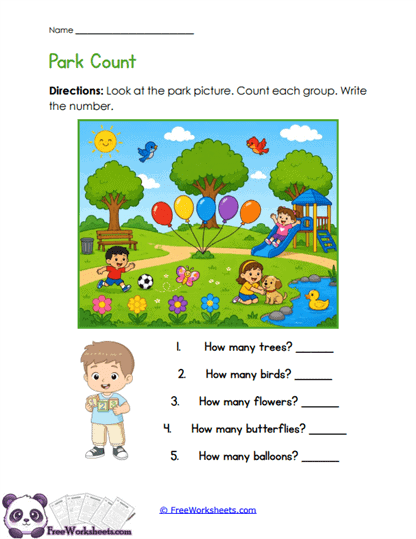
Numbers and Counting to 5
These preschool worksheets make learning numbers from 1 to 5 fun and approachable for young learners. Children can practice recognizing numbers, counting groups of objects, matching quantities, and developing early number sense through a variety of engaging activities. The small number range makes this collection especially helpful for children who are just beginning to explore counting. Use these worksheets at home or in the classroom for simple, playful math practice.
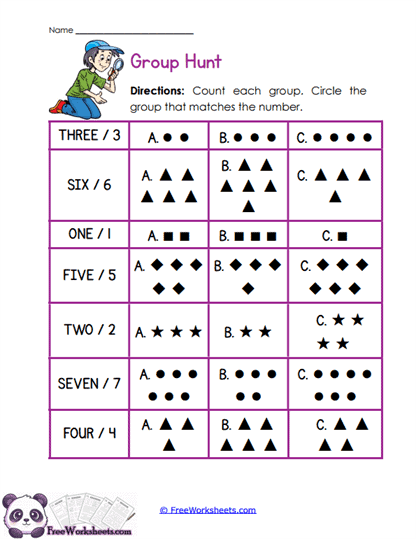
Numbers and Counting to 7
Give your preschooler a little more counting practice with this collection of numbers and counting worksheets up to 7. Kids will work on recognizing numerals, counting objects, matching numbers to quantities, and strengthening their understanding of how numbers relate to groups of items. The activities are designed to be colorful, simple, and enjoyable for young children. They are perfect for building on basic counting skills at a comfortable pace.
Numbers and Counting to 10
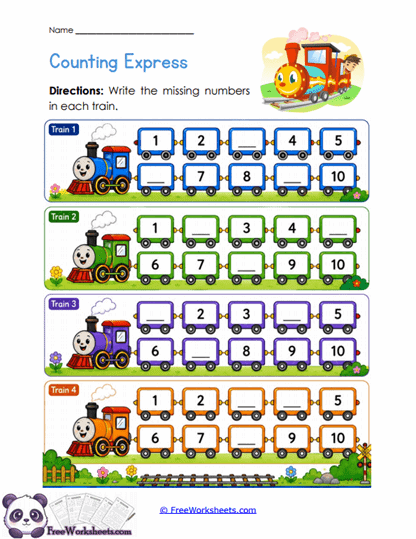
Counting to 10 is an important preschool milestone, and these worksheets give children plenty of fun ways to practice. Young learners can count pictures, recognize and match numbers, compare quantities, and develop stronger number sense through engaging activities. The worksheets offer a nice mix of practice so children can become more comfortable working with numbers from 1 to 10. They are a great addition to preschool lessons, homeschool activities, or extra practice at home.
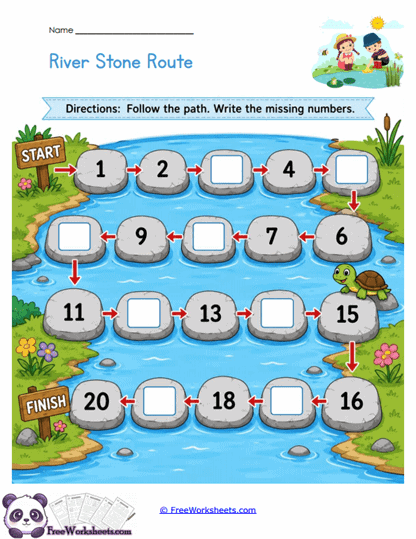
Numbers and Counting to 20
Once your child is comfortable counting to 10, these worksheets can help them take the next step toward counting to 20. Preschoolers will practice recognizing larger numbers, counting groups of objects, matching numbers with quantities, and developing a stronger understanding of number order. The activities provide plenty of repetition while keeping the practice fun and age-appropriate. This collection is a helpful way to prepare children for more advanced kindergarten math skills.
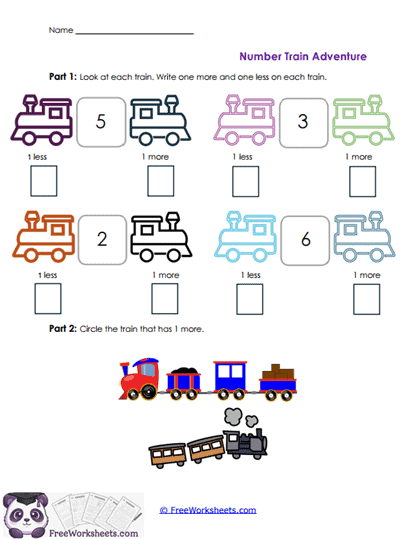
One More and One Less
Understanding “one more” and “one less” helps children begin seeing how numbers work together. A great way to practice is by using small toys or snacks and physically adding or taking away one item before answering. These activities help build number sense and create a strong foundation for early addition and subtraction.
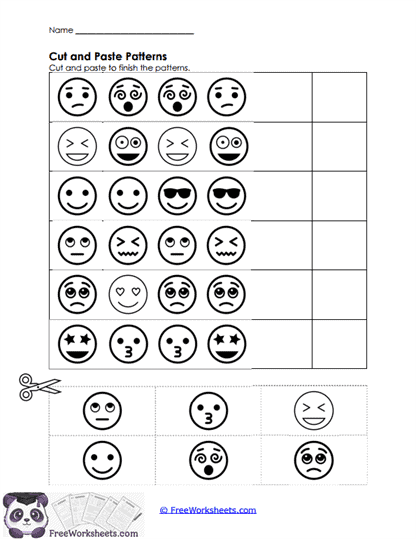
Patterns
Learning patterns teaches children how to notice order, make predictions, and solve problems. Try clapping or building the patterns together with toys or colored blocks before completing the worksheet for extra practice. These activities strengthen critical thinking and early math reasoning skills.
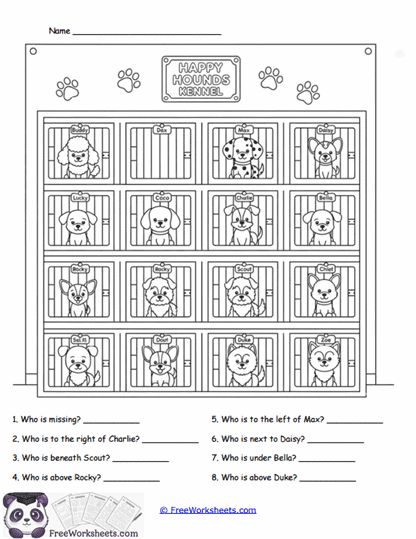
Positions
Words like “above,” “below,” and “next to” help children understand where objects are in space and how to describe them. Before starting the worksheet, practice by asking your child to place a toy under, behind, or beside another object around the house. These activities build spatial awareness, listening skills, and important early math vocabulary.
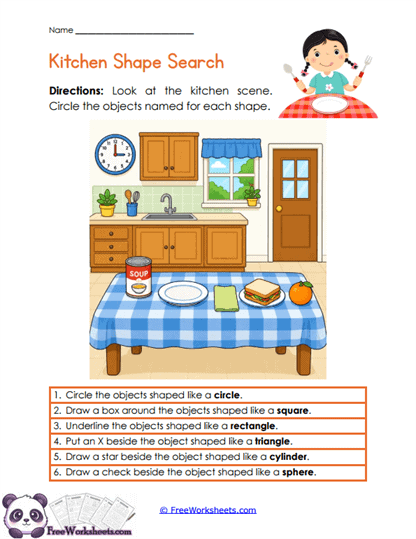
Shapes in the Real World
Help your preschooler discover that shapes are everywhere with these fun real-world shape worksheets. Children will practice identifying familiar shapes by connecting them with everyday objects they see at home, at school, and in their community. These activities make shape recognition more meaningful by showing kids how circles, squares, triangles, rectangles, and other shapes appear in the world around them. It is a playful way to build early geometry skills while encouraging children to notice and talk about shapes in everyday life.
Solid Shapes
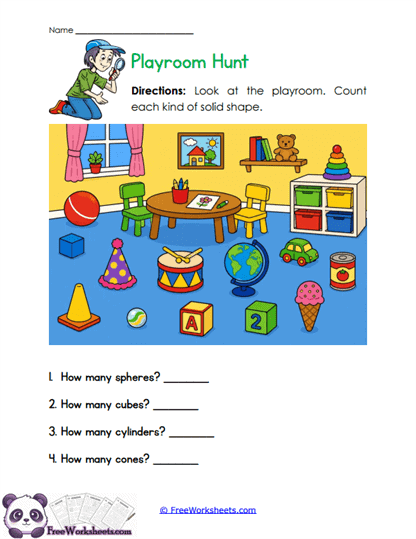
Introduce your preschooler to the exciting world of solid, or 3D, shapes with this engaging worksheet collection. Children will learn to recognize shapes such as cubes, spheres, cones, cylinders, and other common solid shapes. The activities help kids connect these shapes to familiar objects while building important early geometry and visual recognition skills. These worksheets are a simple and fun way to help young learners understand that shapes can have depth and take up space.
Fine Motor Skills
Coloring Pages
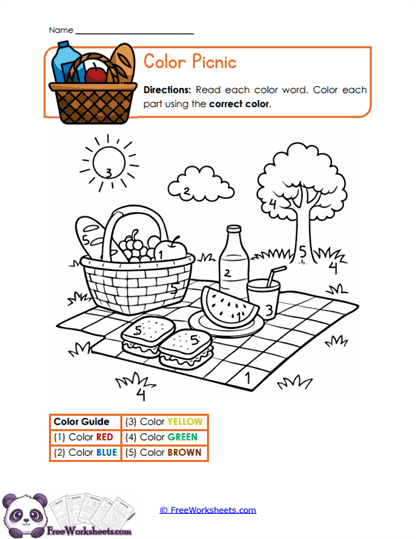
Coloring helps children strengthen the small muscles in their hands while learning how to control crayons, pencils, and markers. Encourage your child to color slowly and try to stay inside larger shapes before moving on to smaller details. These activities build hand strength, pencil control, creativity, and the fine motor skills needed for future writing tasks.
Cutting Practice (Scissor Skills)
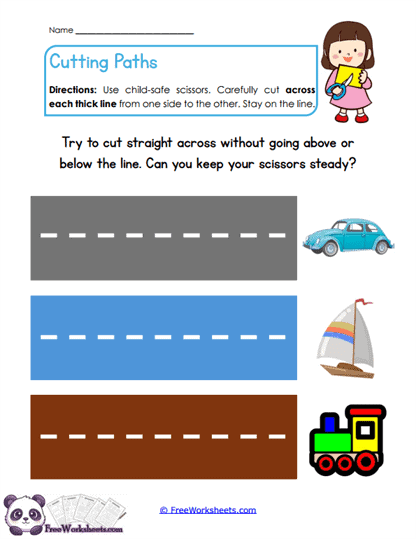
Learning to use scissors helps children develop hand strength, coordination, and control as they practice opening, closing, and guiding the blades. Start with short straight lines before moving on to curves, corners, and more detailed shapes. These worksheets strengthen scissor skills, hand-eye coordination, bilateral coordination, and overall fine motor development.
Dot to Dot
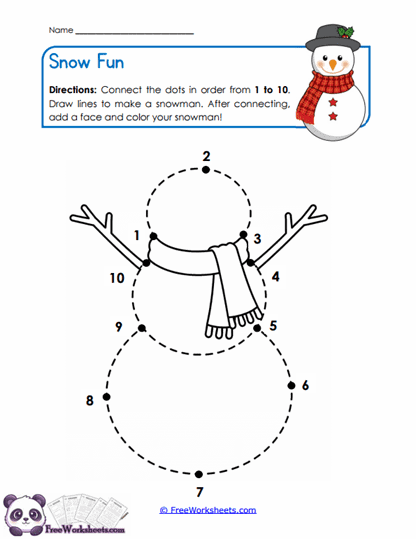
Dot-to-dot activities help children practice controlling a pencil while also learning how to follow a sequence from one point to the next. Encourage your child to move slowly and connect each dot carefully rather than rushing to finish the picture. These worksheets strengthen pencil control, number or letter recognition, visual tracking, and hand-eye coordination.
Hand-eye Coordination Activities
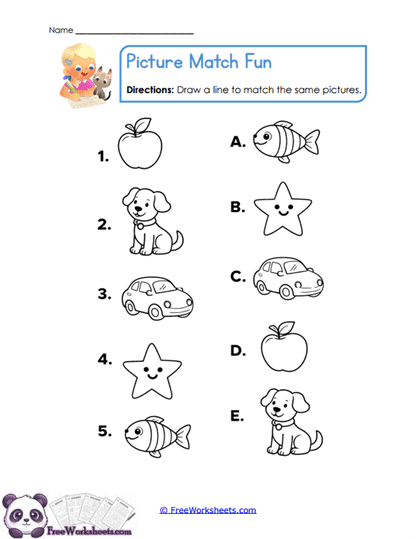
Hand-eye coordination helps children use what they see to guide the movements of their hands during everyday tasks. Simple activities like drawing between lines, matching objects, tracing paths, or placing items in the correct spot give children valuable practice. These worksheets strengthen visual-motor coordination, focus, accuracy, and the fine motor control needed for writing and self-care tasks.
Line Tracing (Straight, Curved, Zigzag)
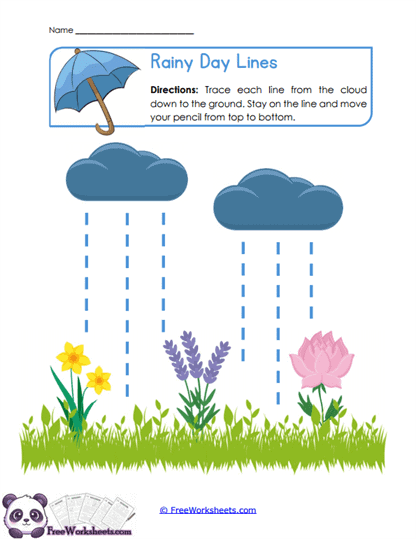
Tracing different types of lines helps children learn how to move a pencil in controlled directions before they begin forming letters and numbers. Start with straight lines and gradually introduce curved, wavy, and zigzag patterns as your child becomes more comfortable. These activities strengthen pencil control, hand-eye coordination, visual tracking, and important pre-writing skills.
Pre-writing Strokes (Lines, Circles, Crosses)
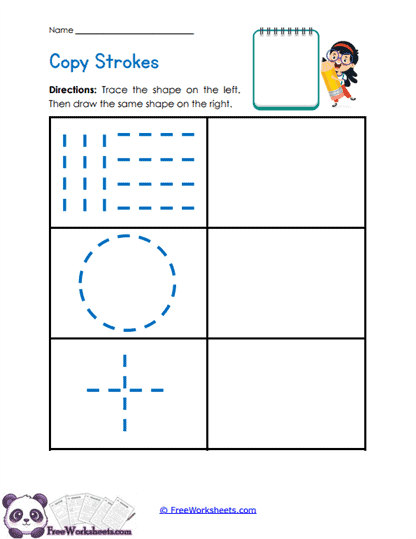
Practicing basic strokes such as lines, circles, and crosses prepares children for the movements they will later use to form letters and numbers. Encourage your child to copy each shape slowly while paying attention to where the pencil starts and stops. These worksheets strengthen pencil control, visual-motor coordination, hand strength, and the foundational movements needed for handwriting.
Shape Tracing
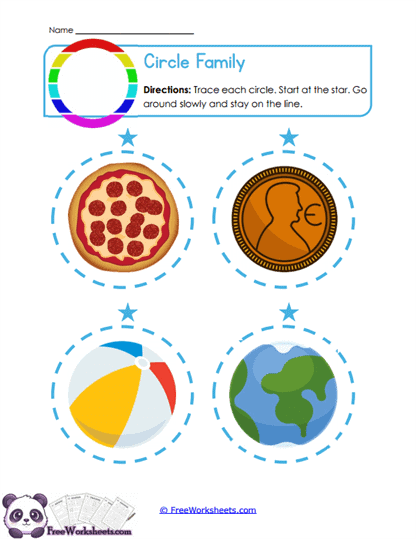
Tracing shapes helps children practice controlling their pencil while becoming more familiar with circles, squares, triangles, rectangles, and other common forms. Encourage your child to follow each outline carefully and name the shape as they trace it. These activities build pencil control, shape recognition, hand-eye coordination, and early writing readiness.
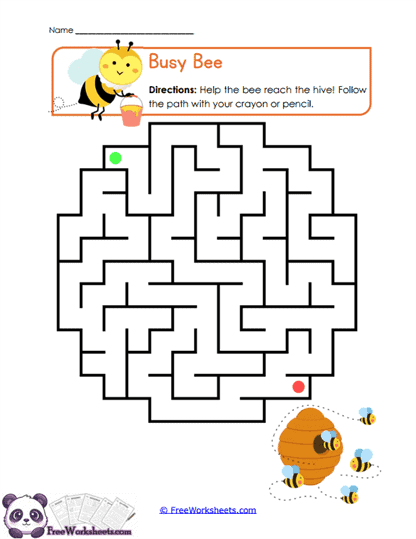
Solving Mazes
Mazes give children a fun way to practice guiding a pencil through a path while thinking carefully about where to move next. Encourage your child to trace the route slowly and look ahead before choosing a direction. These activities build pencil control, hand-eye coordination, problem-solving, visual tracking, and early planning skills.
Pre-Reading & Literacy
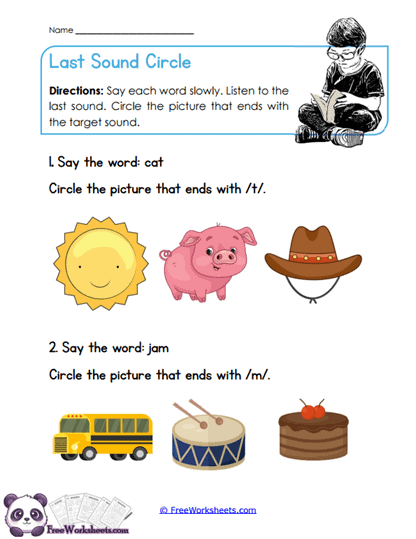
Beginning and Ending Sounds
Hearing the first and last sounds in words helps children break words apart when they begin reading and spelling. Try saying simple words out loud and asking your child, “What sound do you hear first?” or “What sound do you hear at the end?” These activities build phonemic awareness, which is one of the most important early reading skills.
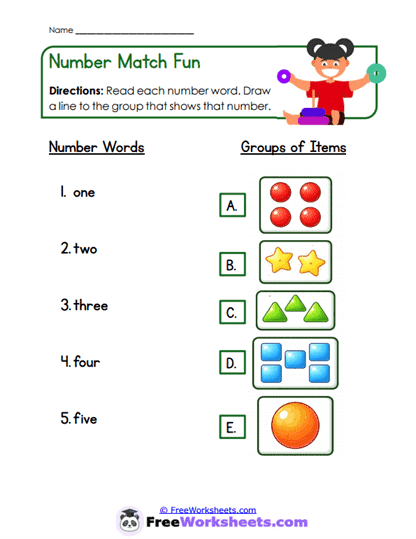
Color and Number Words
Learning color and number words helps children recognize common words they will see often in books, signs, and everyday life. A fun way to practice is by pointing out color and number words during playtime, grocery trips, or while reading together. These worksheets strengthen early sight word recognition and reading confidence.
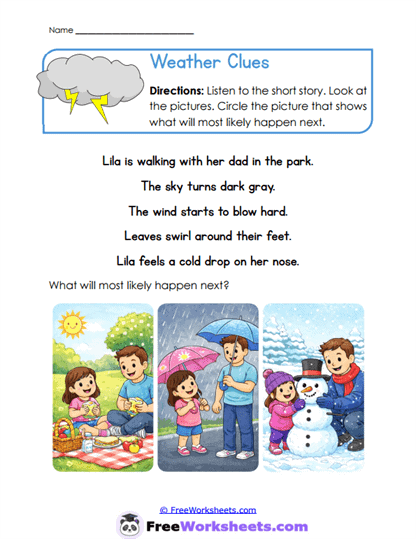
Inference and Analysis
Making simple inferences helps children think about clues and figure out ideas that are not stated directly. Try looking at a picture together and asking questions like, “How do you think this person feels?” or “What do you think might happen next?” These activities strengthen observation, reasoning, prediction, and early reading comprehension skills.
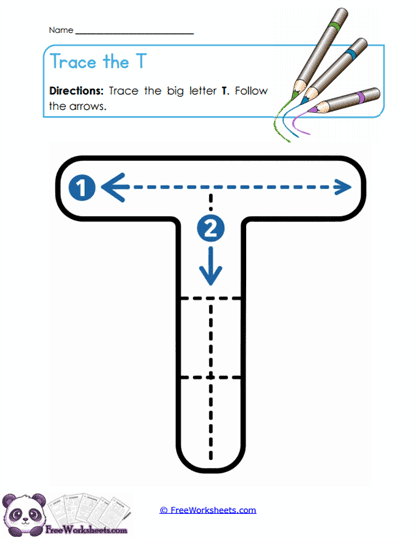
Letter Identification
Recognizing letters is one of the first steps toward learning how to read. Try focusing on just a few letters at a time and having your child hunt for them in books, signs, or around the house for extra practice. These activities build alphabet knowledge and strengthen early literacy foundations.
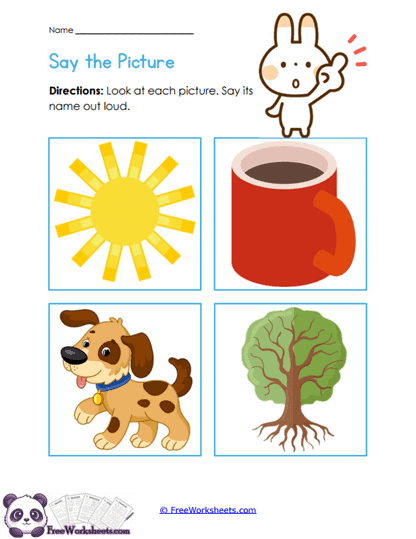
Listening and Speaking
Strong listening and speaking skills help children understand directions, share ideas, and take part in conversations with confidence. Encourage your child to listen to a short story and then explain what happened in their own words. These activities build oral language, vocabulary, communication, and early comprehension skills.
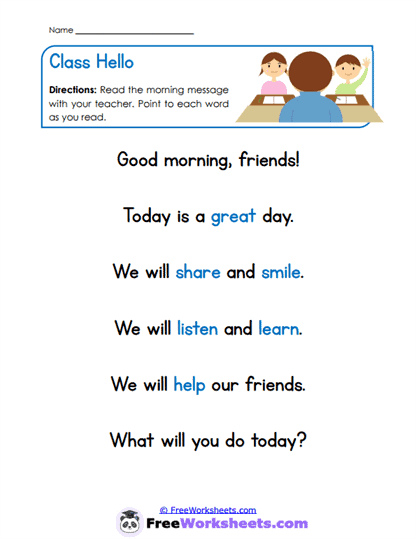
Preschool Fluency Practice
Reading fluently helps children sound smoother and more confident when they read out loud. Encourage your child to reread short passages a few times so the words start to feel more natural and automatic. These activities support word recognition, reading rhythm, and early reading comprehension skills.
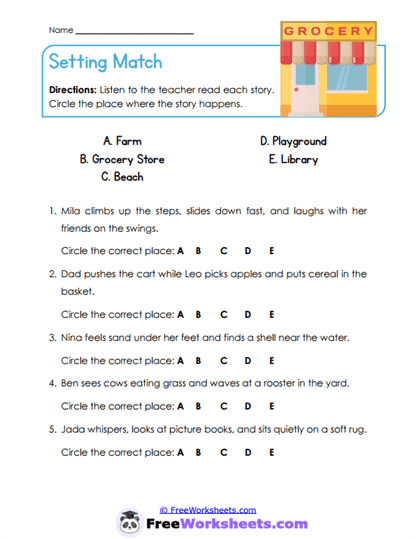
Preschool Reading Comprehension
Understanding a story is an important part of becoming a strong reader. After reading together, ask simple questions such as “Who was in the story?” “Where did it happen?” or “What happened at the end?” These worksheets help children practice recalling details, understanding story events, and building early reading comprehension.
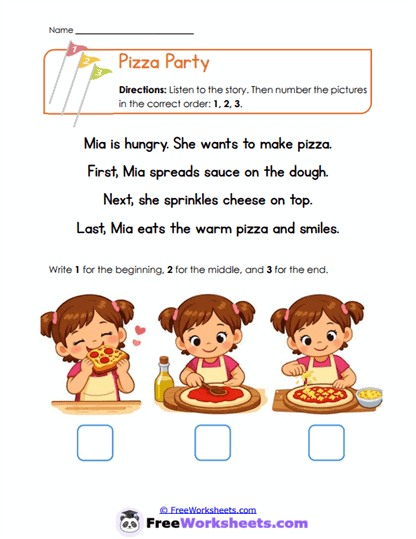
Preschool Reading Passages
Short reading passages help children practice understanding what they read, not just saying the words out loud. After each passage, ask simple questions like “What happened first?” or “Who was the story about?” to build comprehension skills. These activities strengthen early reading fluency, vocabulary, and listening comprehension.
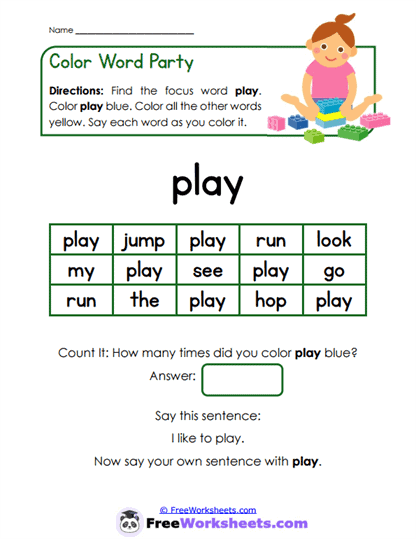
Preschool Sight Words
Learning sight words helps children recognize common words quickly without needing to sound them out every time. A simple trick is to practice just a few words daily and point them out whenever they appear in books or around the house. These worksheets build reading fluency and help children gain confidence as beginning readers.
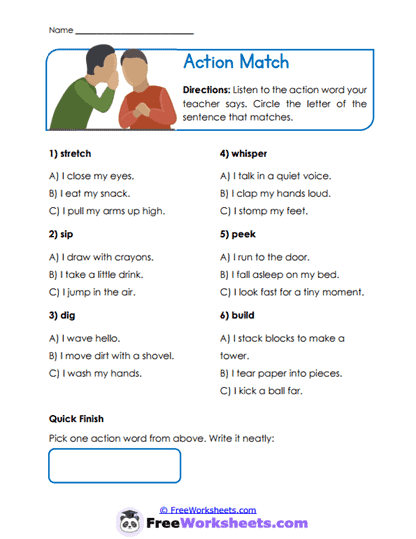
Preschool Vocabulary
Building vocabulary helps children better express their thoughts and understand what they hear and read. Try using new words in everyday conversations throughout the day so your child hears them in real-life situations. These activities strengthen language development, comprehension, and communication skills.
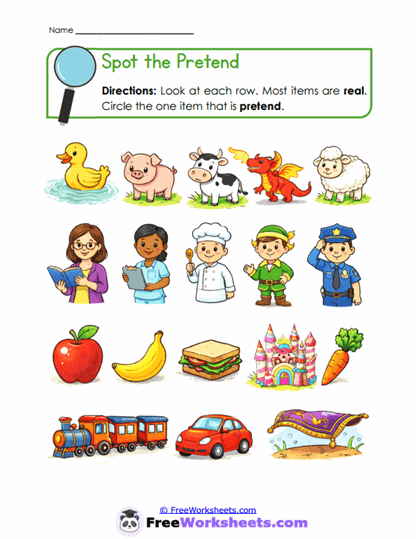
Reality vs. Fiction
Learning the difference between real and make-believe helps children better understand the stories and information they encounter. Try talking about books, pictures, or shows and asking, “Could this really happen?” or “Is this pretend?” These activities strengthen critical thinking, story understanding, and early reading comprehension skills.
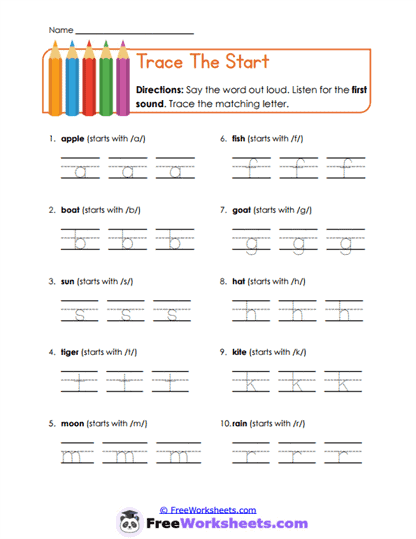
Spelling Foundations
Early spelling practice helps children connect the sounds they hear with the letters they see and write. Encourage your child to slowly say simple words out loud and listen for the beginning, middle, and ending sounds. These worksheets build phonics, sound-letter recognition, word formation, and beginning spelling skills.
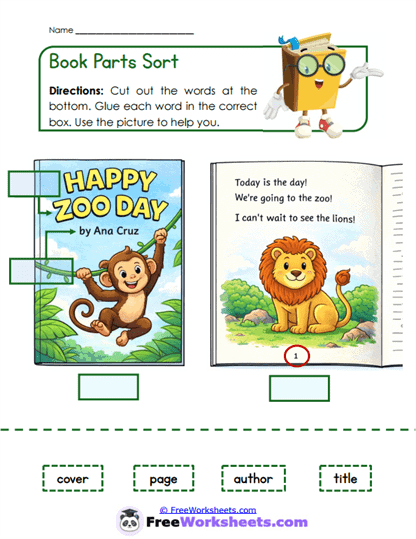
Text Features
Text features help children understand how books and other reading materials are organized. Point out simple features such as titles, pictures, labels, headings, and page numbers while reading together. These activities teach children how to find information, understand how a page is organized, and build important early reading skills.
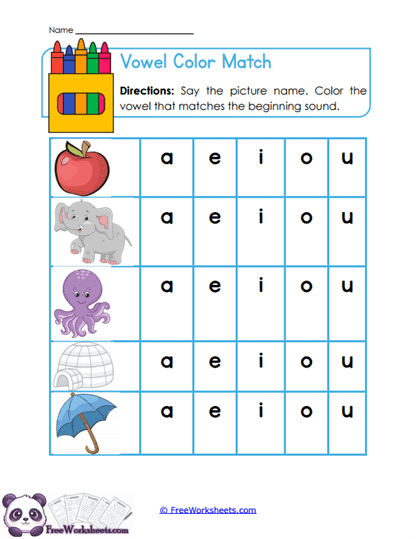
Vowel Sounds
Learning vowel sounds helps children hear the differences between words and become stronger readers and spellers. A helpful strategy is to slowly stretch out simple words like “cat” or “bike” so your child can clearly hear the vowel sound in the middle. These worksheets build phonics skills and support early decoding and spelling development.
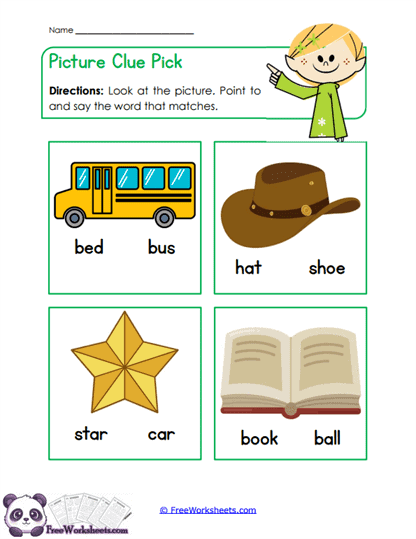
Word Recognition
Quickly recognizing common words helps children read more smoothly and with less frustration. Try reading favorite books again and again so familiar words become easier to spot automatically. These activities strengthen reading fluency, sight word memory, and overall reading confidence.