
Grade 4 Worksheets
This 4th grade printable worksheet collection is a standards-aligned, curriculum-mapped resource designed to support comprehensive Core Curriculum development across Language Arts, Mathematics, Science, History/Social Studies, and enrichment. At this pivotal stage, students transition from foundational skills to greater independence, analytical reasoning, and cross-curricular application, strengthening reading comprehension, evidence-based thinking, and multi-step problem solving.
Math
-
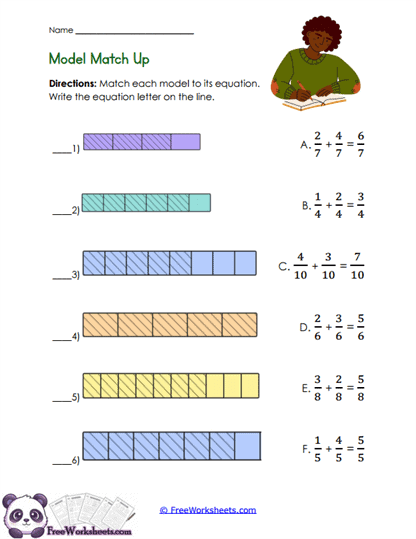
Adding Fractions With Like Denominators
-
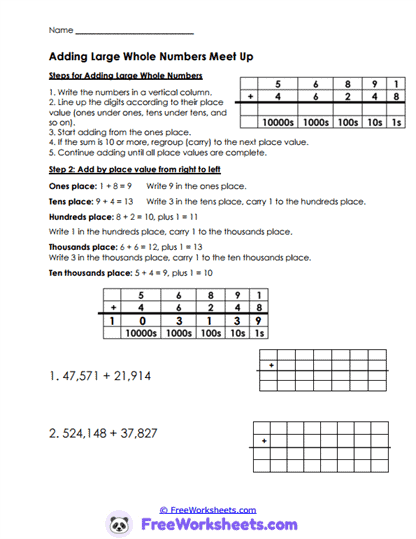
Adding Large Whole Numbers
-
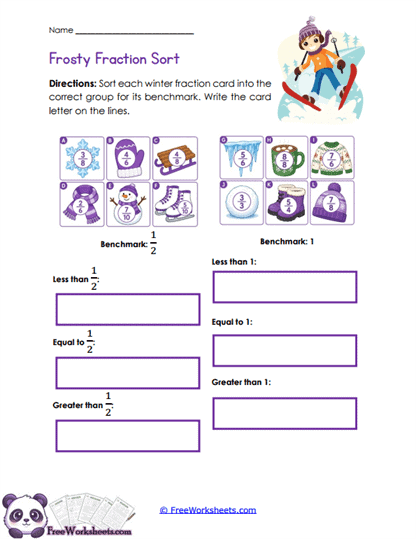
Comparing Fractional Values
-
-
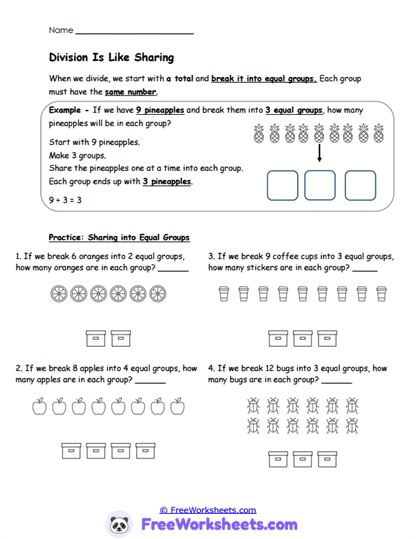
Divide by One-digit Number
-
Division
-
Division Word Problems
-
Measuring Area And Perimeter
-
Multi-step Word Problems
-
Multiply by One-digit Numbers
-
Multiply by Two-digit Numbers
-
Prime And Composite Numbers
-
Subtracting Fractions With Like Denominators
Reading
-
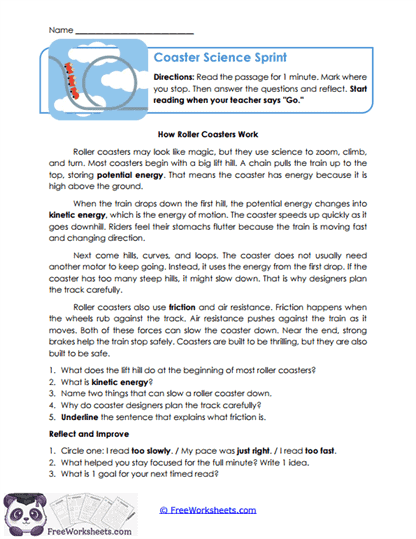
4th Grade Fluency Practice
-
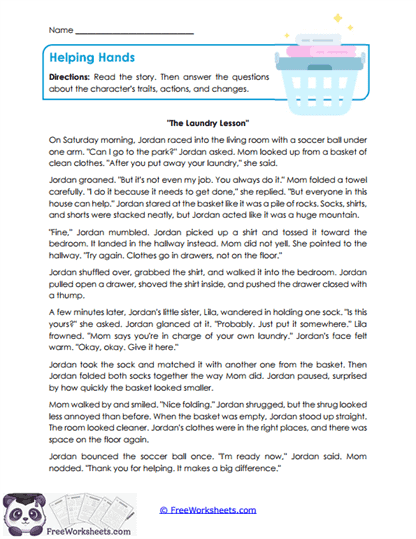
4th Grade Reading Comprehension
-
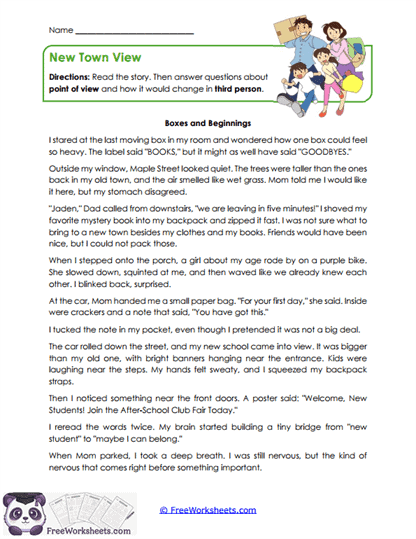
4th Grade Reading Passages
-
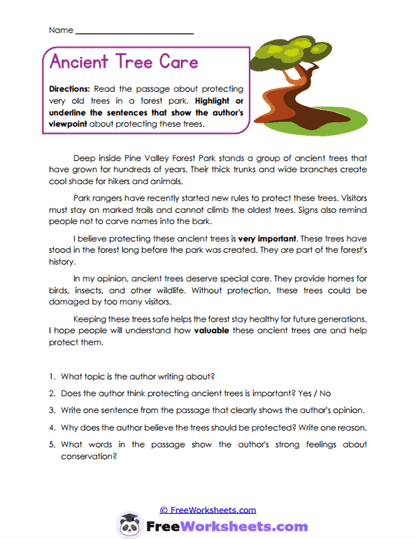
Author's Perspective
-
Author's Purpose
-
Characters in Stories
-
Inference and Theme
-
Informational Texts
-
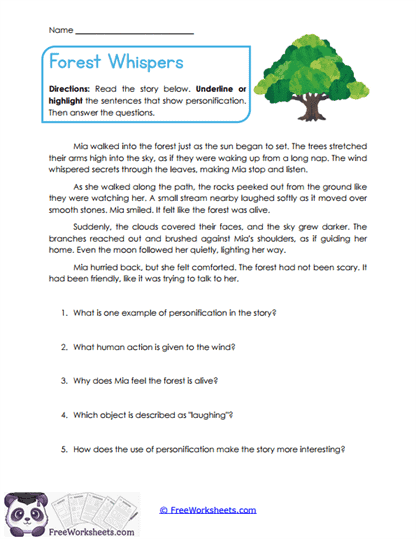
Literary Devices
-
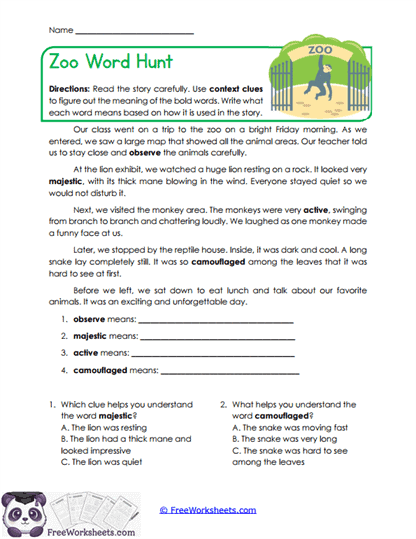
Literary Texts
-
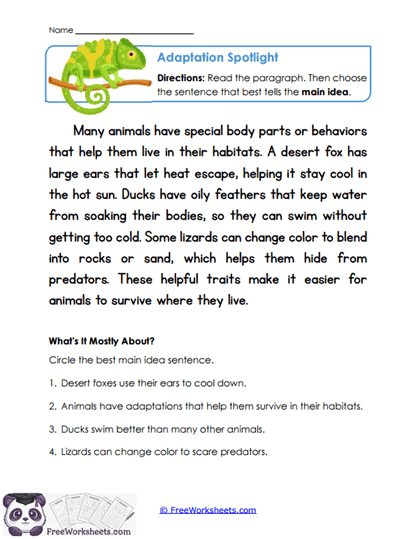
Main Idea
-
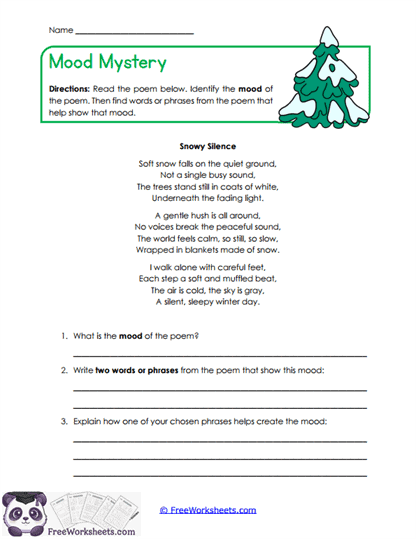
Poetry Elements
-
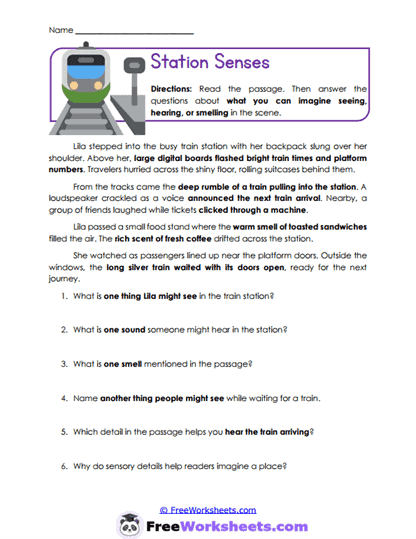
Sensory Details
-
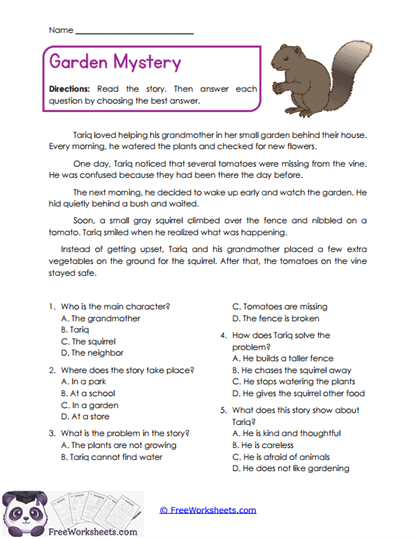
Story Elements
-
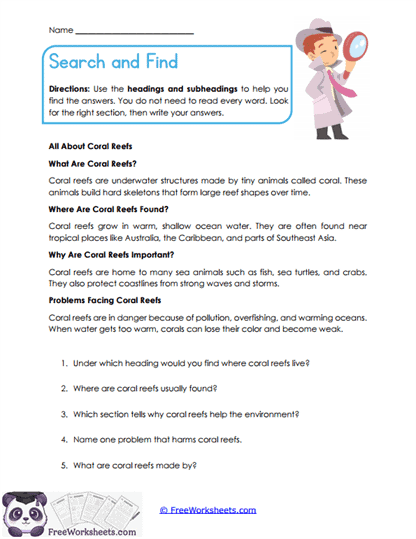
Text Features
-
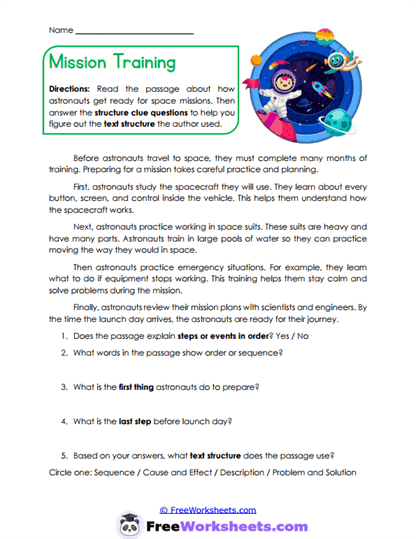
Text Structure
-
Visual Elements
About This Collection of Worksheets
4th Grade is where students begin working with more complex texts, longer written responses, and multi-step academic thinking across every subject. Students are expected to explain ideas clearly, support answers with evidence, solve advanced problems independently, and apply skills across different subjects with greater accuracy.
This collection focuses on the core skills students practice throughout the 4th Grade year: reading comprehension, text analysis, vocabulary, paragraph writing, fractions, multiplication, division, problem-solving, and critical thinking. The worksheets are designed to help students strengthen both academic fluency and deeper reasoning skills through structured, standards-based practice.
Students work on identifying themes, making inferences, interpreting informational texts, solving multi-step math problems, and organizing written responses with stronger detail and support. These printable worksheets help students build the independence and academic confidence needed for upper elementary success.
Why Teachers Use This Collection
- Reading comprehension skill practice
- Text analysis review activities
- Multi-step problem-solving support
- Fraction skill reinforcement pages
- Evidence-based writing practice
- Grammar and vocabulary review
- Independent classroom work pages
- Small group intervention resources
- Low-prep printable worksheets
- Upper elementary skill reinforcement
Why Homeschoolers & Parents Use This Collection
- 4th Grade reading support
- Fraction and division review
- Structured writing skill practice
- Printable independent learning pages
- Vocabulary and grammar reinforcement
- Easy daily academic review
- Screen-free learning activities
- Homework and tutoring support
- Critical thinking skill building
- 5th Grade readiness preparation
A Look at the Categories of Worksheets
Math
Adding Fractions With Like Denominators
Adding fractions with like denominators helps children understand how fractional parts can be combined when the pieces are the same size. Encourage your child to add the numerators while keeping the denominator the same, then check whether the answer can be simplified. These worksheets strengthen fraction sense, addition skills, and mathematical reasoning.
Adding Large Whole Numbers
Adding large whole numbers helps children manage bigger calculations while building accuracy with place value. Encourage your child to line up digits carefully by place value before solving to avoid common mistakes. These activities strengthen computational fluency, number sense, and mathematical reasoning skills.
Comparing Fractional Values
Comparing fractional values helps children recognize which fractions represent greater or smaller amounts. Encourage your child to use visual models, number lines, or common denominators to make comparisons easier to understand. These activities strengthen fraction sense, number relationships, and mathematical reasoning skills.
Divide by One-digit Number
Dividing by one-digit numbers helps children understand how larger amounts can be split into equal groups. A helpful strategy is to use arrays or repeated subtraction to show what division means before solving standard problems. These worksheets strengthen division fluency, multiplication relationships, and problem-solving skills.
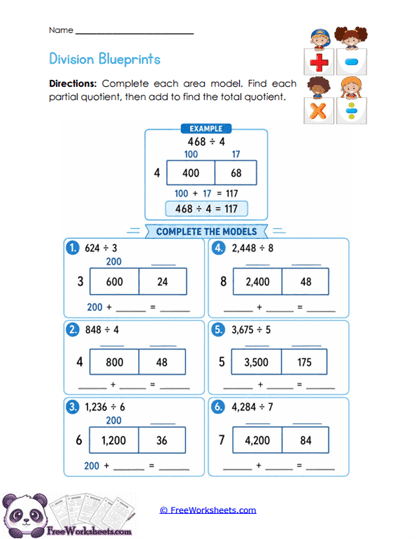
Division
Division helps children understand how numbers can be separated into equal groups or shared evenly. Encourage your child to connect division problems with familiar multiplication facts to solve them more confidently. These worksheets strengthen division fluency, number sense, and multiplication relationships.
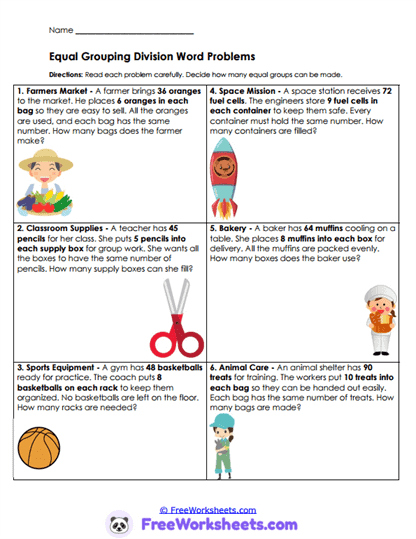
Division Word Problems
Division word problems help children apply math skills to real-life situations instead of solving numbers in isolation. Encourage your child to underline important information and decide what the problem is asking before beginning to solve. These activities strengthen mathematical reasoning, critical thinking, and real-world problem-solving skills.
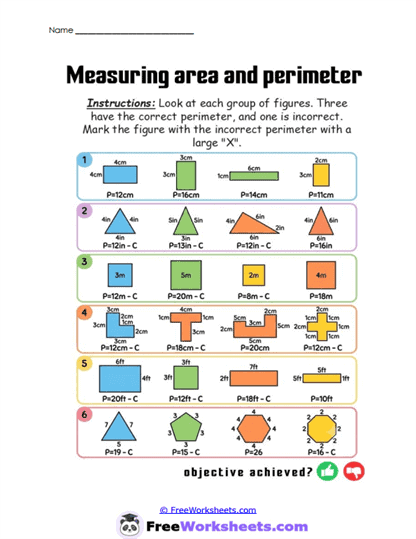
Measuring Area And Perimeter
Measuring area and perimeter helps children understand different ways to describe the size and boundaries of shapes. Encourage your child to remember that perimeter measures the distance around a shape, while area measures the space inside it. These activities strengthen measurement skills, spatial reasoning, and real-world problem-solving abilities.
Multiply by One-digit Numbers
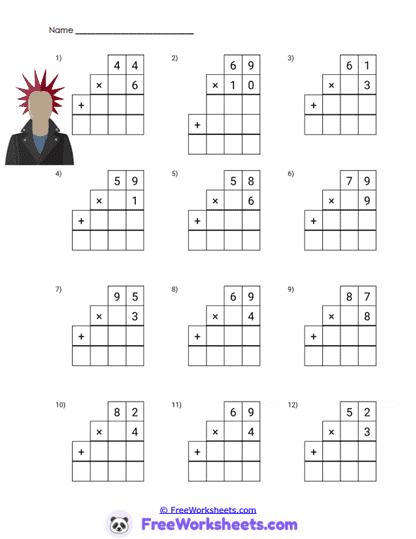
Multiplying by one-digit numbers helps children build fluency with larger calculations and stronger number relationships. Practice breaking larger numbers into smaller parts to make multiplication feel more manageable and less overwhelming. These worksheets strengthen multiplication fluency, place value understanding, and mental math skills.
Multiply by Two-digit Numbers
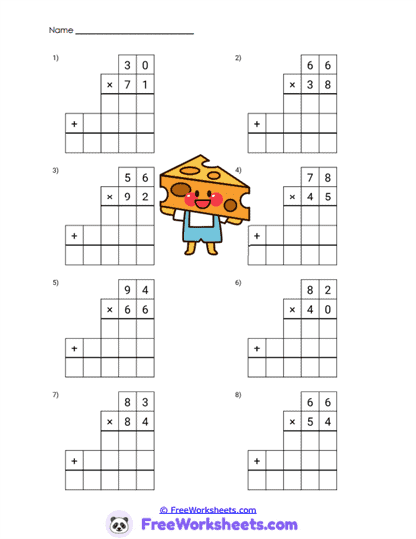
Multiplying by two-digit numbers helps children combine place value knowledge with more advanced multiplication strategies. Encourage your child to solve one step at a time and check their answer with estimation before finishing. These activities strengthen mathematical reasoning, computational fluency, and multi-step problem-solving skills.
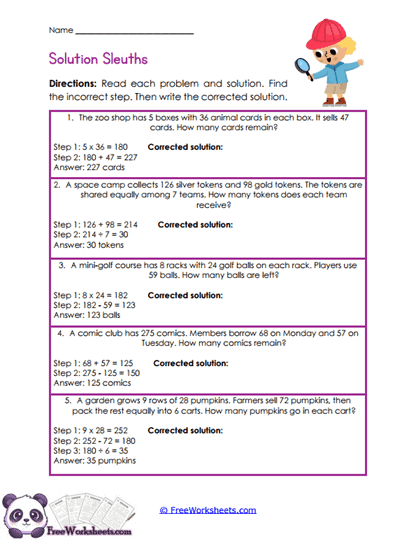
Multi-step Word Problems
Multi-step word problems help children combine several math skills to solve more challenging real-life situations. Encourage your child to identify what each step is asking and solve the problem one part at a time. These worksheets strengthen mathematical reasoning, critical thinking, and multi-step problem-solving skills.
Prime And Composite Numbers
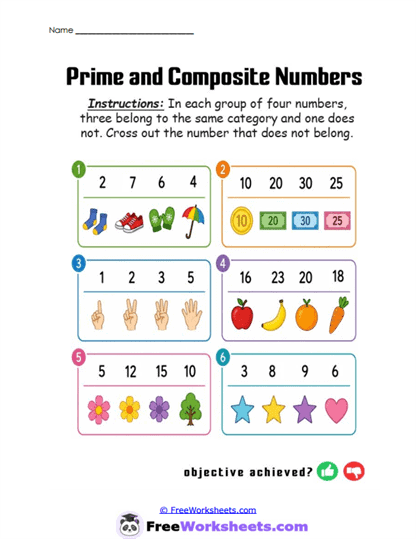
Prime and composite numbers help children explore how whole numbers can be broken apart into factors. Encourage your child to list factor pairs to determine whether a number has exactly two factors or more than two. These activities strengthen number sense, multiplication knowledge, and understanding of factors.
Subtracting Fractions With Like Denominators
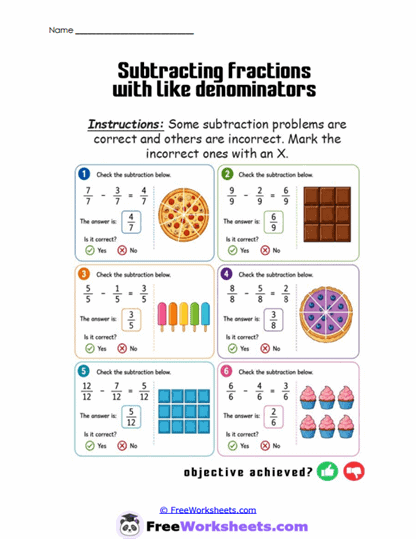
Subtracting fractions with like denominators helps children understand how fractional amounts change when equal-sized parts are taken away. Encourage your child to subtract the numerators while keeping the denominator the same, then simplify the answer when possible. These worksheets strengthen fraction sense, subtraction skills, and mathematical reasoning.
Reading
Author’s Perspective
At this level, children begin learning how an author’s opinions and feelings can shape a text. A helpful strategy is to ask your child, “How does the author feel about this topic?” while reading together. These worksheets strengthen critical thinking, reading analysis, and perspective-taking skills.
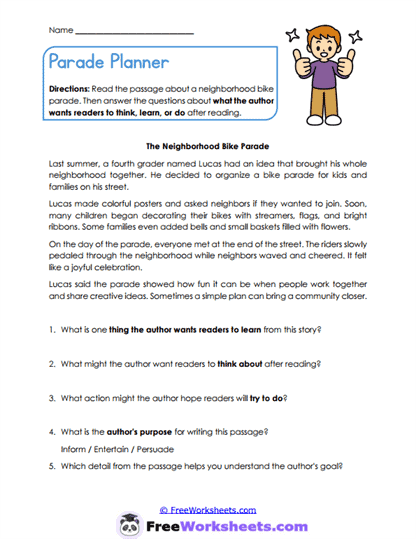
Author’s Purpose
Understanding an author’s purpose helps children think more deeply about why a text was written. Encourage your child to ask whether the author is trying to teach, entertain, or persuade the reader. These activities build comprehension, analytical thinking, and nonfiction reading skills.
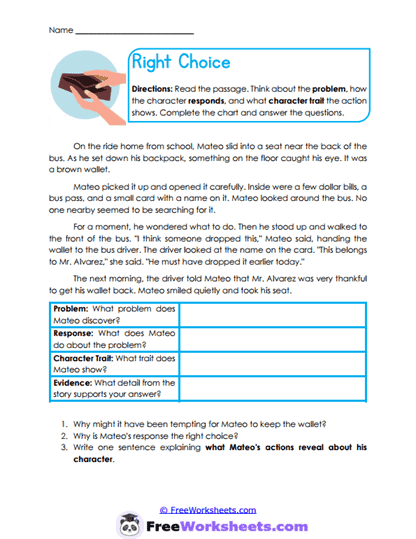
Characters in Stories
Analyzing characters helps children better understand story events, emotions, and motivations. A great strategy is to ask your child to explain why a character made a certain choice using evidence from the text. These worksheets strengthen comprehension, critical thinking, and text evidence skills.
Grade 4 Fluency Practice
Fluent readers sound smooth, expressive, and confident when reading aloud. Reading passages multiple times can help your child improve pacing, accuracy, and expression naturally. These activities strengthen fluency, comprehension, and overall reading confidence.
Grade 4 Reading Comprehension
As texts become more challenging, strong comprehension skills help children better understand and explain what they read. Asking open-ended questions after reading encourages your child to think more deeply about the text. These worksheets strengthen comprehension, vocabulary, and critical thinking skills.
Grade 4 Reading Passages
Reading a variety of passages helps children build confidence with both fiction and nonfiction texts. Encourage your child to pause and summarize sections in their own words while reading. These activities strengthen comprehension, fluency, and reading stamina.
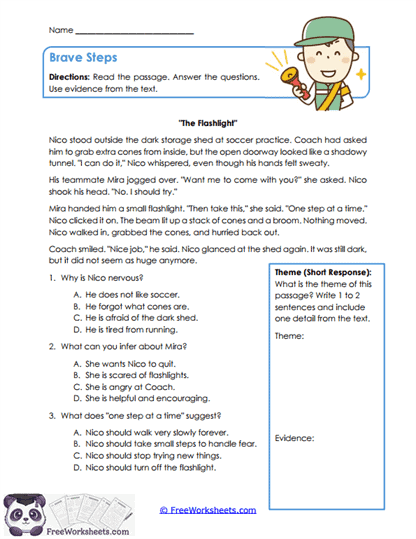
Inference and Theme
Making inferences and identifying themes helps children understand deeper meanings in stories and passages. A simple strategy is to ask your child what lesson the story teaches and what clues helped them figure it out. These worksheets strengthen comprehension, reasoning, and analytical thinking skills.
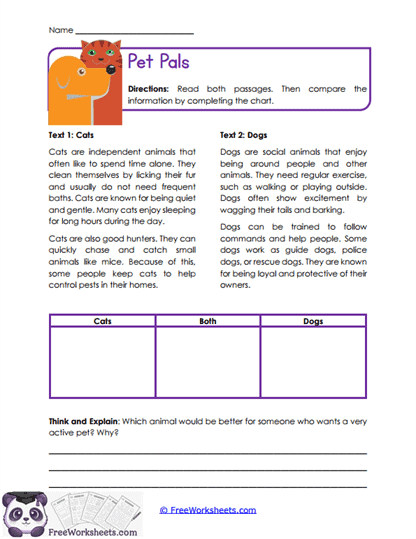
Informational Texts
Reading informational texts helps children learn how to gather facts and understand nonfiction topics. Encourage your child to highlight or discuss the most important details after each section. These activities strengthen nonfiction comprehension, vocabulary, and research skills.
Literary Devices
Understanding literary devices helps children recognize how authors make writing more interesting and meaningful. Point out similes, metaphors, or personification while reading together to help these concepts feel more natural. These worksheets strengthen reading analysis, vocabulary, and figurative language skills.
Literary Texts
Reading literary texts helps children think more deeply about characters, settings, and themes in stories. Encourage your child to explain how a character changes or what message the story teaches. These activities build comprehension, analytical thinking, and discussion skills.
Main Idea
Finding the main idea helps children focus on the most important message in longer, more detailed texts. A helpful strategy is to ask, “What is this section mostly about?” after reading each paragraph or page. These worksheets strengthen comprehension, summarizing, and organizational thinking skills.
Poetry Elements
Understanding poetry elements helps children recognize how poems use rhythm, rhyme, and structure to create meaning. Reading poems aloud together can help your child hear patterns and expression more clearly. These activities strengthen fluency, comprehension, and figurative language skills.
Sensory Details
Sensory details help children picture what they read and better connect with the text. Encourage your child to notice words that describe sights, sounds, smells, tastes, or feelings while reading. These worksheets strengthen visualization, comprehension, and descriptive writing skills.
Story Elements
Understanding story elements helps children organize and better understand what they read. A helpful strategy is to discuss the characters, setting, problem, and solution after finishing a story together. These activities strengthen comprehension, sequencing, and storytelling skills.
Text Features
Text features help children find important information more quickly in nonfiction reading. Encourage your child to preview headings, captions, charts, and diagrams before reading the full text. These worksheets strengthen nonfiction comprehension and informational reading skills.
Text Structure
Recognizing text structure helps children understand how information is organized in a passage. Practice identifying patterns like cause and effect or problem and solution while reading together. These activities strengthen comprehension, organization, and analytical reading skills.
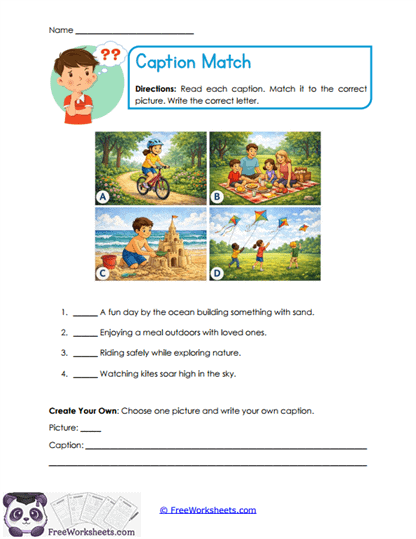
Visual Elements
Visual elements help children combine written information with charts, images, and diagrams to better understand a text. A good strategy is to ask your child what new information the visual adds that the words alone do not explain. These worksheets strengthen nonfiction comprehension, visual literacy, and critical thinking skills.