
Grade 2 Worksheets
These 2nd grade printable worksheets help students understand stories and nonfiction with stronger thinking and text-based answers. These free, ready-to-print PDF worksheets are designed for immediate classroom use with simple, low-prep routines. Students practice main idea, sequencing, cause and effect, character analysis, phonics-based decoding, and evidence-based responses.
Math
-
2nd Grade Math Review
-
Adding Two-digit Numbers
-
Adding With Regrouping Strategies
-
-
Comparing And Ordering Numbers
-
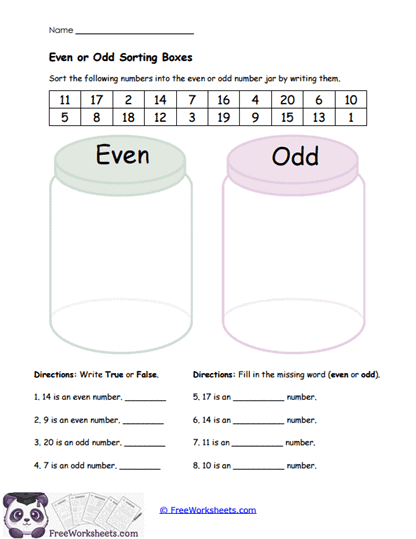
Even and Odd
-
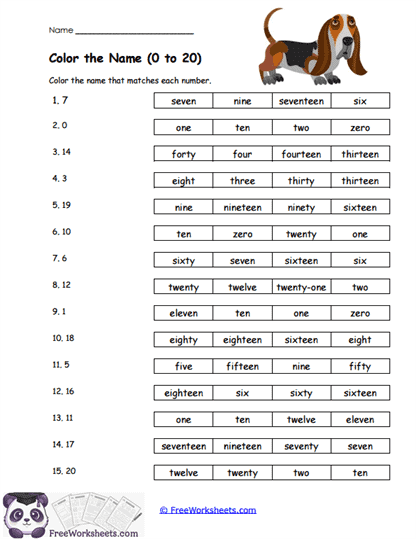
Names of Numbers
-
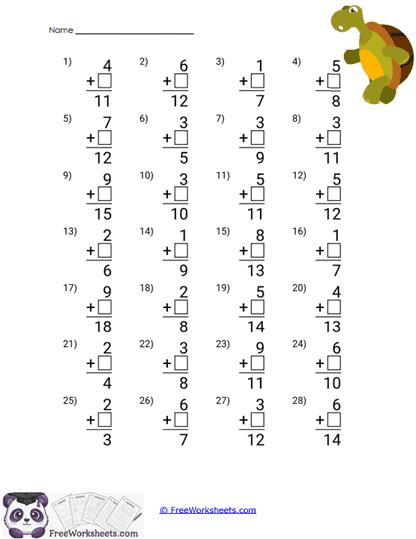
One Digit Addition
-
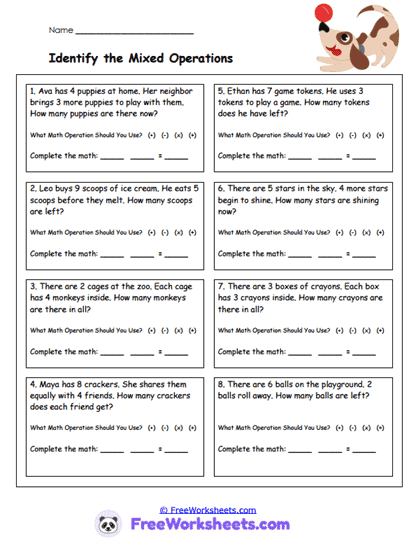
One Digit Mixed Word Problems
-
One Digit Subtraction
-
One-Digit Mixed Math Operations
-
Place Value
-
Skip Counting And Number Patterns
-
Subtracting Two-digit Numbers
-
Subtracting With Regrouping Strategies
About This Collection of Worksheets
2nd Grade is where students begin shifting from “learning to read” toward reading with greater understanding, fluency, and independence. Students are expected to handle longer texts, answer text-based questions, explain their thinking, and apply reading and math skills more consistently across subjects.
This collection focuses on the skills students use most throughout the 2nd Grade year: reading comprehension, vocabulary development, phonics patterns, writing responses, addition and subtraction fluency, place value, measurement, and problem-solving. The worksheets are designed to give students repeated practice with both foundational skills and higher-level thinking in manageable, student-friendly formats.
Students strengthen reading stamina, written communication, math reasoning, and independent work habits while building the confidence needed for more advanced academic expectations in 3rd Grade.
Why Teachers Use This Collection
- Reading comprehension skill practice
- Phonics pattern review activities
- Vocabulary development worksheets
- Text evidence response practice
- Addition fluency reinforcement pages
- Place value review activities
- Literacy center printable resources
- Small group intervention support
- Independent practice assignments
- Low-prep daily review worksheets
Why Homeschoolers & Parents Use This Collection
- 2nd Grade reading support
- Daily comprehension skill practice
- Printable phonics review pages
- Simple math reinforcement activities
- Sentence writing skill building
- Easy independent learning practice
- Screen-free educational activities
- Homework and tutoring support
- Extra academic confidence practice
- 3rd Grade readiness preparation
A Look At The Worksheet Categories
Math
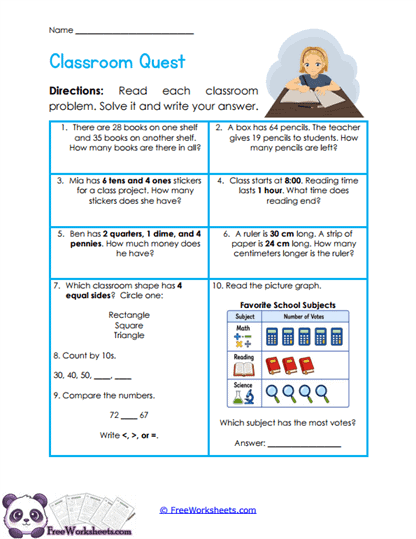
2nd Grade Math Review
Reviewing second grade math skills helps children strengthen what they have learned and identify areas that may need extra practice. Encourage your child to work through a variety of problems and explain how they found each answer. These worksheets reinforce number sense, computation, problem-solving, and overall math confidence.
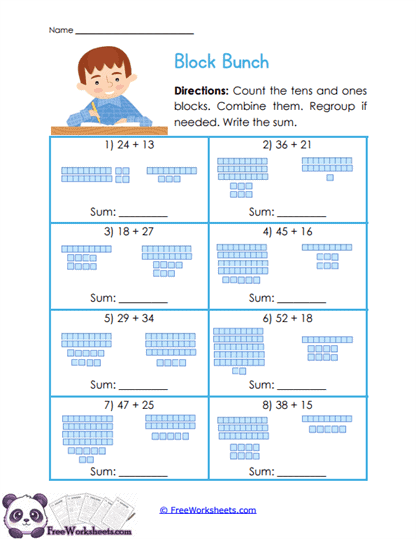
Adding Two-digit Numbers
Adding two-digit numbers helps children understand how tens and ones work together when combining larger amounts. Encourage your child to line up numbers by place value and solve the ones and tens columns carefully. These worksheets strengthen place value understanding, addition fluency, and computational accuracy.
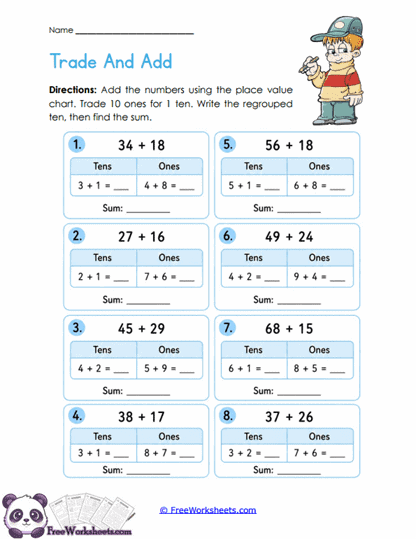
Adding With Regrouping Strategies
Learning addition with regrouping helps children understand what happens when the ones in a problem add up to ten or more. Using base-ten blocks, drawings, or expanded form can help your child see how ten ones can be regrouped as one ten. These activities strengthen place value understanding, addition strategies, and mathematical reasoning skills.
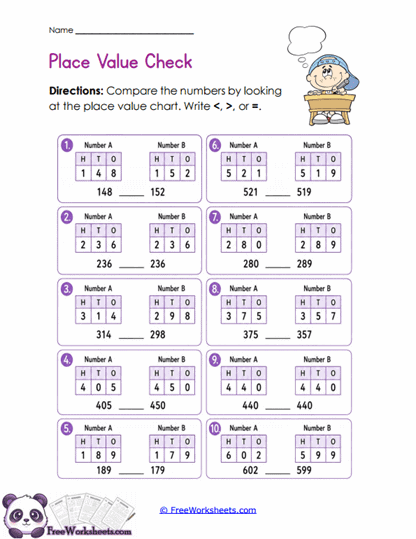
Comparing And Ordering Numbers
Comparing and ordering numbers helps children understand the relationships between numbers and their values. Encourage your child to compare the hundreds, tens, and ones places one at a time when deciding which number is greater or smaller. These worksheets strengthen place value, number sense, and comparison skills.
Even and Odd
Understanding even and odd numbers helps children recognize number patterns and build stronger math reasoning skills. A simple way to practice is by pairing small objects into groups of two to see whether any items are left over. These activities strengthen number sense, pattern recognition, and foundational multiplication readiness.
Names of Numbers
Learning number names helps children connect written words to the numbers they use every day in math. Encourage your child to say, spell, and write number words during simple activities like counting money or reading calendars. These worksheets strengthen number recognition, vocabulary development, and early math literacy skills.
One Digit Addition
Adding one-digit numbers helps children build fluency with basic math facts and number relationships. Try using counters, fingers, or small household objects so your child can physically combine groups while solving problems. These activities strengthen number sense, addition fluency, and mathematical reasoning skills.
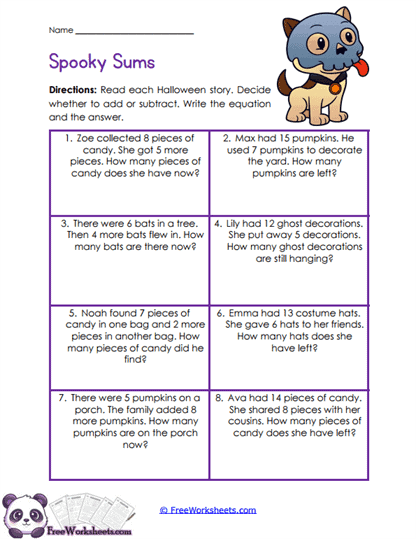
One-Digit Mixed Math Operations
Practicing mixed math operations helps children decide whether to add or subtract instead of relying on one familiar strategy. Encourage your child to look carefully at each operation sign before solving and check whether the answer makes sense. These activities strengthen addition and subtraction fluency, attention to detail, and flexible mathematical thinking.
One Digit Mixed Word Problems
Mixed word problems help children decide which math strategy to use instead of relying on memorization alone. Encourage your child to underline important clues in each problem before solving to slow down and think through the situation carefully. These activities strengthen problem-solving, critical thinking, and real-world math application skills.
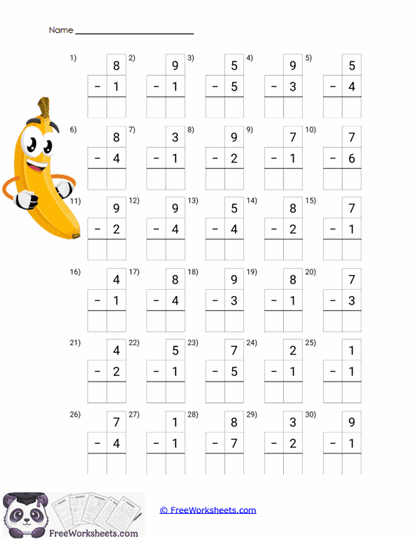
One Digit Subtraction
Subtraction helps children understand how numbers change when amounts are taken away or compared. A helpful strategy is to use everyday objects like snacks or toys so your child can physically remove items while solving problems. These worksheets strengthen number sense, subtraction fluency, and mathematical reasoning skills.
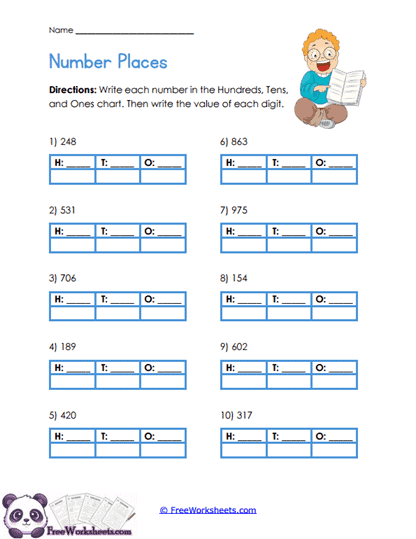
Place Value
Understanding place value helps children recognize that a digit’s value depends on its position within a number. Try using base-ten blocks, bundles of objects, or drawings to show how ones can be grouped into tens and tens into hundreds. These worksheets strengthen number sense, expanded form understanding, and foundational computation skills.
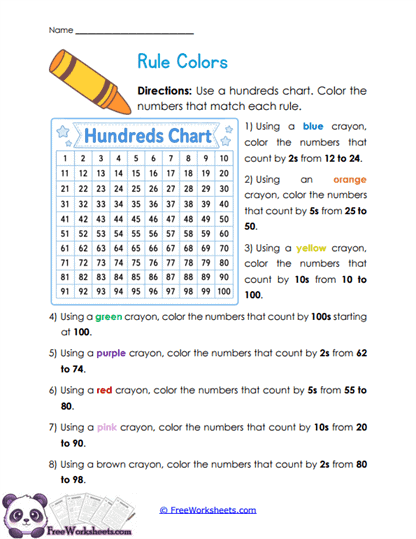
Skip Counting And Number Patterns
Skip counting helps children recognize patterns in numbers and prepares them for more advanced addition and multiplication concepts. Practice counting by twos, fives, tens, or other intervals using number lines, coins, or groups of everyday objects. These worksheets strengthen pattern recognition, number fluency, and early multiplication readiness.
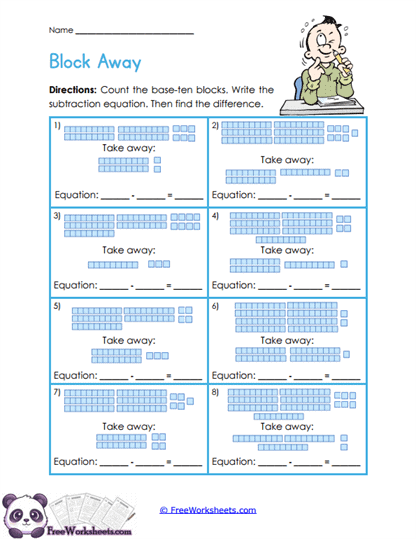
Subtracting Two-digit Numbers
Subtracting two-digit numbers helps children understand how tens and ones are used when finding the difference between larger numbers. Encourage your child to line up numbers by place value and work carefully through each column. These worksheets strengthen place value understanding, subtraction fluency, and computational accuracy.
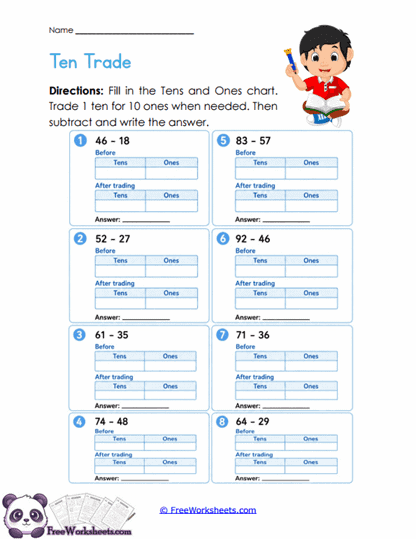
Subtracting With Regrouping Strategies
Learning subtraction with regrouping helps children solve problems when there are not enough ones or tens to subtract directly. Base-ten blocks, drawings, and expanded form can help your child see how one ten can be regrouped into ten ones. These activities strengthen place value understanding, subtraction strategies, and mathematical reasoning skills.
Reading
Cause and Effect
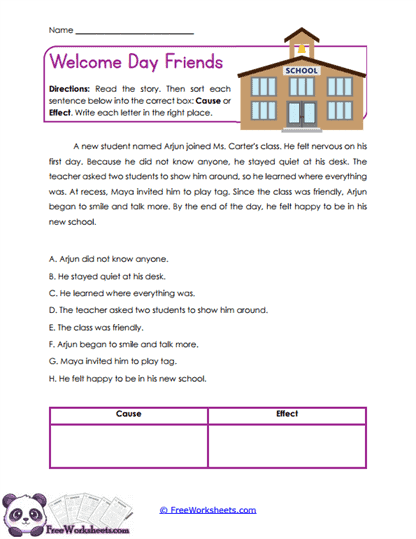
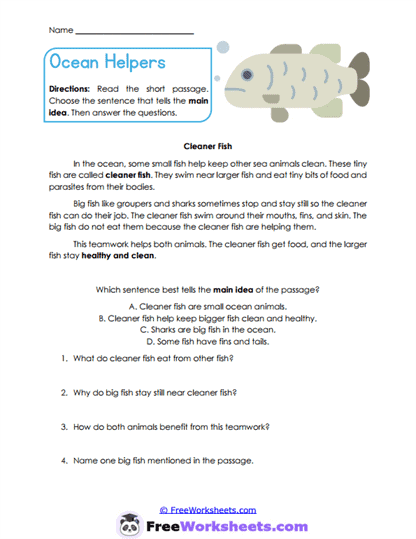
Understanding cause and effect helps children see how events in a story or passage are connected. A simple way to practice is by asking questions like “What happened first?” and “What happened because of that?” while reading together. These activities strengthen reading comprehension, sequencing, and critical thinking skills.
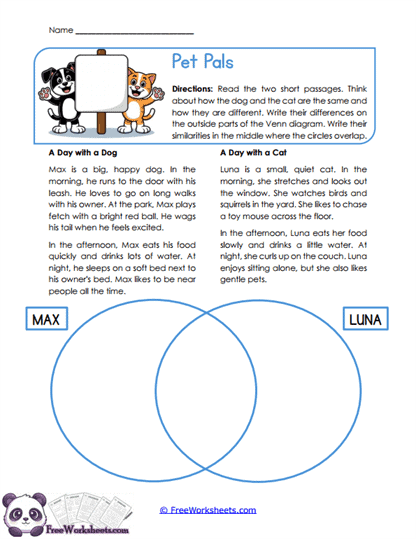
Compare and Contrast
Comparing and contrasting helps children notice important similarities and differences between ideas, characters, and stories. Try using simple everyday examples like comparing two toys or foods to make the skill easier to understand. These worksheets build comprehension, organization, and analytical thinking skills.
Decodable Texts
Decodable texts help children practice reading using the phonics patterns they already know. Encourage your child to sound out unfamiliar words slowly instead of guessing from pictures or context clues. These activities strengthen decoding, fluency, and reading confidence.
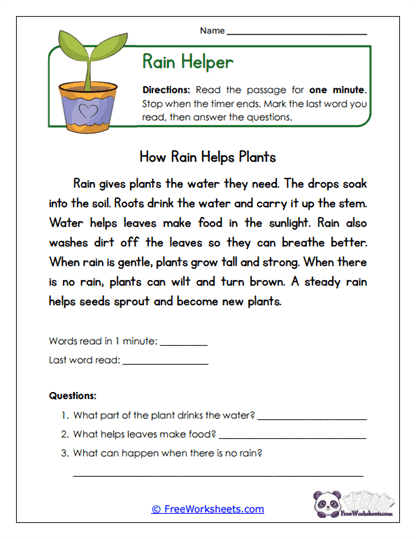
Fluency Practice
Fluency helps children read more smoothly, accurately, and with better understanding. Reading the same short passage more than once can help your child feel more comfortable and confident with the words. These worksheets strengthen reading fluency, expression, and comprehension skills.
Grade 2 Reading Comprehension
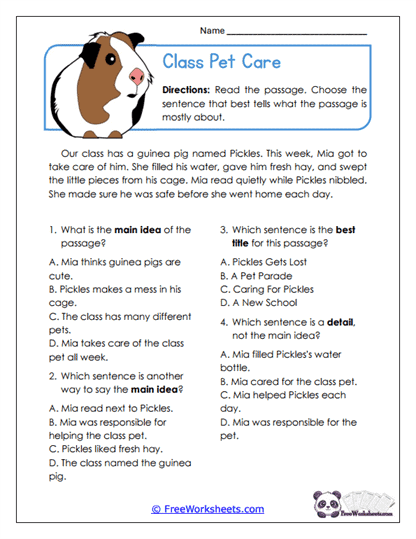
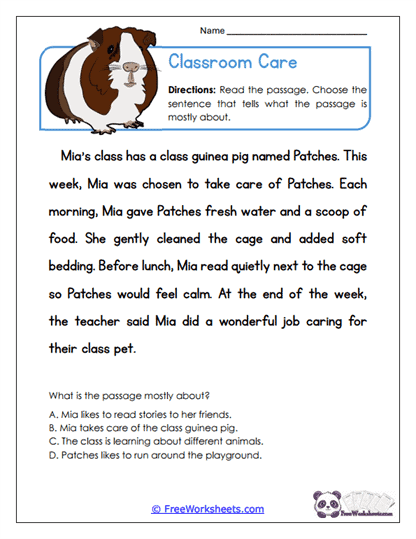
Strong reading comprehension helps children understand, remember, and talk about what they read. After reading together, ask open-ended questions like “Why do you think that happened?” to encourage deeper thinking. These activities strengthen comprehension, vocabulary, and critical thinking skills.
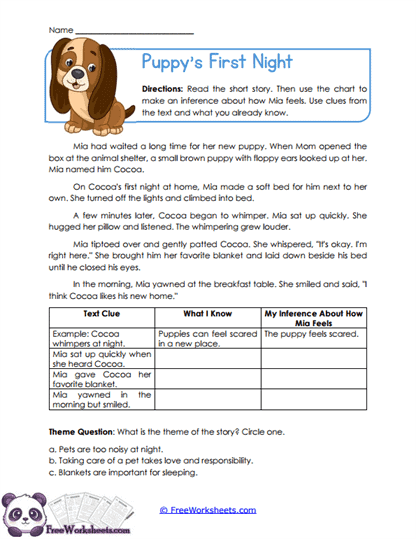
Inference and Theme
Making inferences and identifying themes helps children think beyond the exact words on the page. A helpful strategy is to ask your child what lesson the story teaches or what clues helped them figure something out. These worksheets build comprehension, reasoning, and analytical thinking skills.
Read-alone Informational Texts
Informational texts help children build knowledge while practicing important reading skills independently. Encourage your child to pause after each section and explain one new fact they learned in their own words. These activities strengthen nonfiction comprehension, vocabulary, and reading stamina.
Read-along Literary Texts
Reading along with stories helps children develop smoother reading habits and stronger comprehension. Try taking turns reading sentences or pages aloud together to help your child stay engaged and confident. These activities support fluency, expression, and listening comprehension skills.
Reading Passages (Grade 2)
Reading passages give children regular practice with understanding and thinking about what they read. Encourage your child to slow down and picture the story or information in their mind while reading. These worksheets strengthen fluency, comprehension, and vocabulary skills.
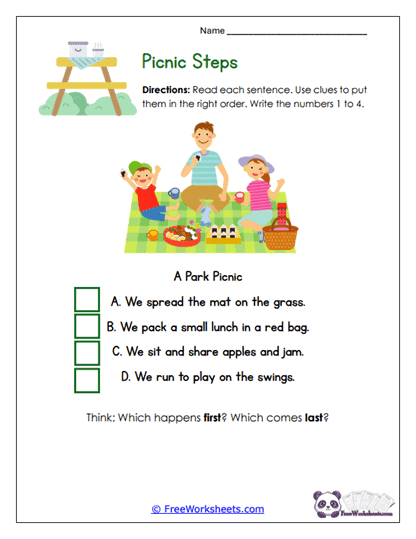
Reading Sequences
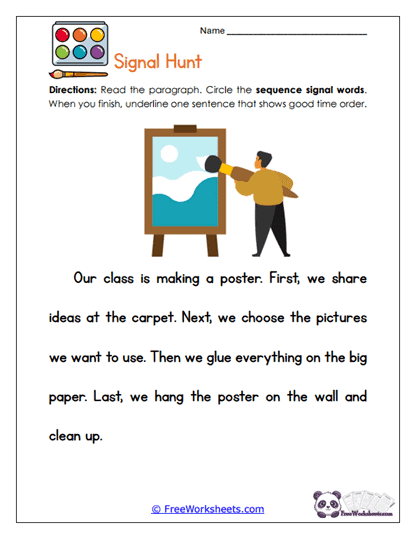
Learning sequencing helps children understand the order of events in stories and everyday situations. A fun way to practice is by having your child retell a story using words like “first,” “next,” and “last.” These activities strengthen comprehension, memory, and storytelling skills.
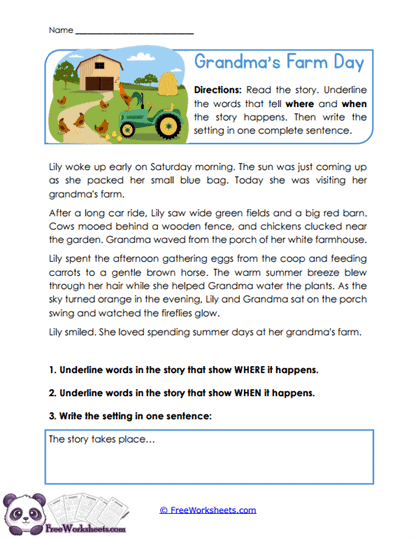
Setting and Characters
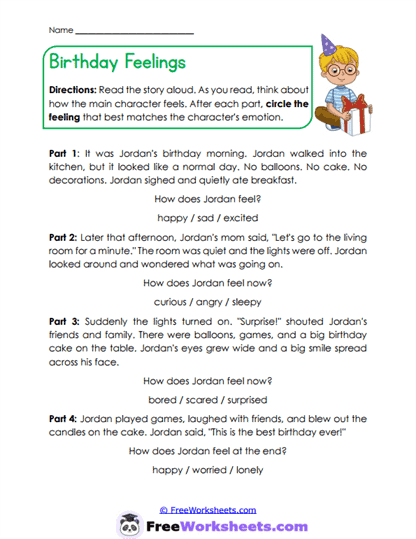
Understanding setting and characters helps children better connect with stories and follow what’s happening. While reading together, ask your child where the story takes place and how the characters are feeling or acting. These worksheets build comprehension, story analysis, and critical thinking skills.
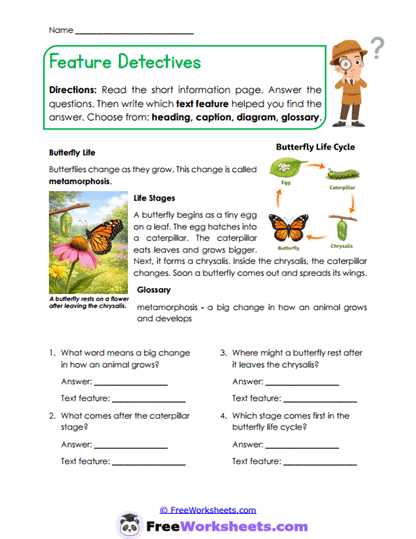
Text Features
Text features help children find and understand important information in nonfiction reading. Encourage your child to look closely at headings, captions, charts, and diagrams before they begin reading the full passage. These activities strengthen nonfiction comprehension and informational reading skills.
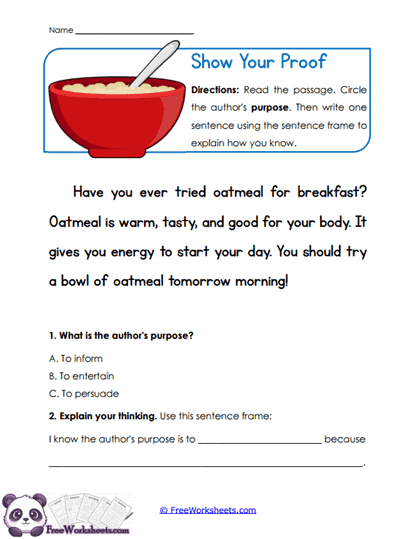
Topic and Purpose
Identifying the topic and purpose of a text helps children better understand what they are reading and why it was written. A helpful strategy is to ask your child, “Is this trying to teach, entertain, or explain something?” after reading. These worksheets strengthen comprehension, critical thinking, and reading analysis skills.