
Grade 2 Worksheets
These worksheets help students understand stories and nonfiction with stronger thinking and text-based answers. These free, ready-to-print PDF worksheets are designed for immediate classroom use with simple, low-prep routines. Students practice main idea, sequencing, cause and effect, character analysis, phonics-based decoding, and evidence-based responses.
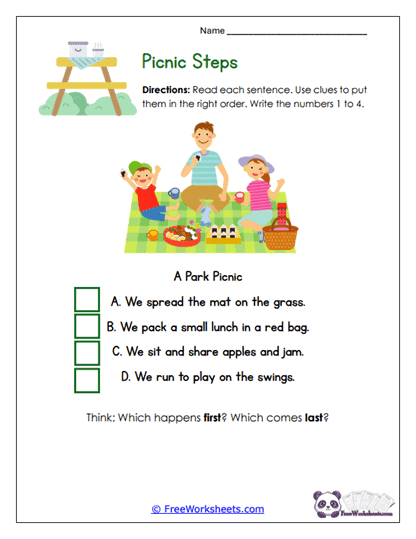
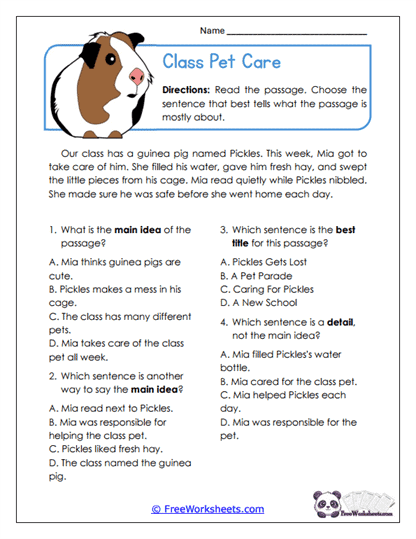
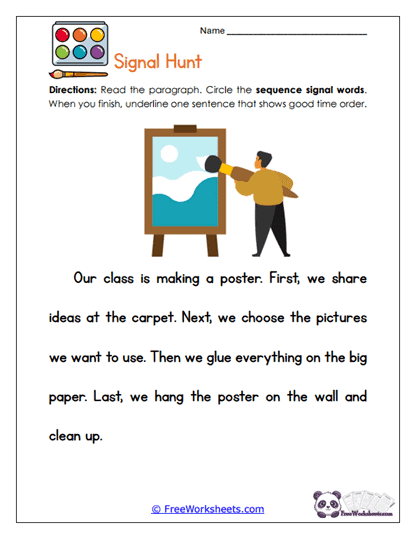
About This Collection of Worksheets
In Grade 2, reading instruction moves beyond simply decoding words and toward building strong comprehension, fluency, vocabulary, and critical thinking skills. Students are expected to read grade-level texts with increasing independence and accuracy while demonstrating understanding of both literary and informational passages. They identify the main topic and central message, recount stories and key details, describe characters and how they respond to events and challenges, and explain how specific points are supported by reasons and evidence. Students also explore how ideas connect across sentences, paragraphs, and entire texts, including understanding cause-and-effect relationships, sequencing events, comparing and contrasting texts, and identifying an author’s purpose.
Foundational reading skills remain an essential part of Grade 2 instruction. Decodable texts and targeted phonics practice help students apply spelling-sound patterns such as long vowels (including silent e and vowel teams), r-controlled vowels, diphthongs, prefixes and suffixes, and multisyllabic word decoding strategies. Students strengthen automatic word recognition, improve reading fluency, and practice reading with appropriate rate, accuracy, and expression. These skills directly support deeper comprehension and confidence with grade-level materials.
This collection also reinforces vocabulary and language development aligned to Grade 2 standards. Students work with context clues to determine word meaning, distinguish shades of meaning among related verbs and adjectives, understand compound words and irregular plural nouns, and apply correct capitalization, punctuation, and grammar in their written responses. Language practice is embedded within reading and writing tasks to encourage students to apply skills authentically.
Writing instruction in Grade 2 focuses on three primary text types: opinion pieces, informative/explanatory texts, and narratives. The worksheets provide opportunities for students to write short responses that introduce a topic, supply facts or reasons, use linking words, and provide a sense of closure. Narrative tasks encourage students to recount events with clear sequencing, include details, and use temporal words to signal order. Students also practice revising and editing for clarity and conventions, strengthening their overall written communication skills.
Speaking and listening expectations are supported through discussion prompts, partner activities, and text-based questioning. Students are encouraged to participate in collaborative conversations, build on others’ ideas, ask and answer questions for clarification, and recount information presented orally. Structured response activities promote accountable talk and active listening skills that align with Grade 2 standards.
This collection works well for literacy centers, guided reading, phonics small groups, independent practice, homework, formative checks, and RTI support. Teachers can use the structured questions to model close reading strategies, highlight key details, teach annotation and text evidence skills, and guide students in rereading for deeper understanding. With a mix of multiple choice, matching, sequencing, story mapping, graphic organizers, vocabulary practice, grammar exercises, and short written responses, the activities remain skill-focused while offering repeated practice across the full range of Grade 2 expectations.
Each worksheet is designed in an ink-friendly, black-and-white format with clear directions and uncluttered response spaces. Layouts support organized student work, scaffolded thinking, and reduced visual distractions. Because the PDFs are ready to print and use, they fit seamlessly into daily routines for whole-group instruction, small-group differentiation, intervention, enrichment, and progress monitoring throughout the school year.
A Look At The Categories
Decodable Texts
This collection of decodable texts supports Grade 2 foundational reading skills by targeting specific phonics patterns such as long vowels, vowel teams, r-controlled vowels, prefixes, suffixes, and multisyllabic words. Each passage helps students apply sound-spelling patterns in connected text while building fluency, accuracy, and confidence. Comprehension questions and word work activities reinforce meaning, vocabulary, and text understanding alongside phonics practice.
Grade 2 Reading Comprehension
This worksheet collection strengthens students’ ability to understand, analyze, and respond to both literary and informational texts aligned to Grade 2 standards. Activities focus on identifying main ideas, recounting key details, describing characters and events, explaining text features, and answering questions using evidence. With a mix of multiple choice, written responses, and graphic organizers, students build critical thinking skills while developing independent reading comprehension.