
Preschool Worksheets
These are thoughtfully designed to build the foundational skills young learners need for a confident start in Kindergarten. Through engaging, developmentally appropriate activities, children strengthen early literacy, numeracy, scientific thinking, social awareness, and fine motor skills while developing independence and a love of learning. Aligned with core early childhood standards, this collection provides families and educators with a complete, yearlong pathway to school readiness and academic success.
About This Collection of Worksheets
This collection is a comprehensive, standards-aligned resource designed to support the full spectrum of early childhood Core Curriculum expectations. At the preschool level, instruction focuses on building foundational skills that prepare children for structured Kindergarten learning. This collection reflects vertical alignment with early elementary standards by strengthening pre-literacy, early numeracy, scientific curiosity, social awareness, and executive-function development. Through intentional cross-curricular integration, these worksheets cultivate academic confidence, independent learning habits, and readiness for formal schooling.
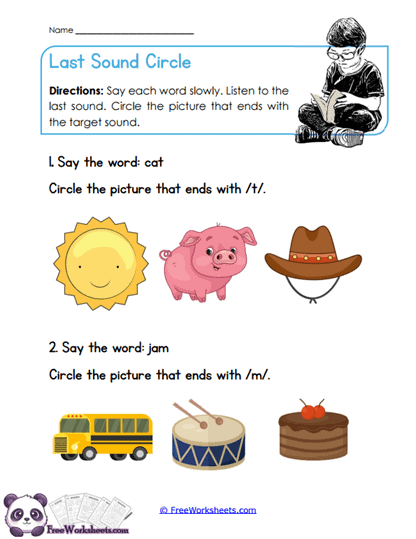
In Language Arts, preschool students are developmentally expected to build emergent literacy skills, including alphabet recognition, phonological awareness, vocabulary development, and listening comprehension. Early learners begin distinguishing letters, identifying sounds, recognizing environmental print, and engaging with simple texts. This collection reinforces conceptual understanding of print awareness, left-to-right tracking, letter-sound familiarity, and early comprehension through developmentally appropriate practice. By focusing on foundational skills and fluency in letter identification and early reading exposure, these worksheets directly support grade-level mastery benchmarks that prepare children for Kindergarten phonics instruction and structured reading programs.
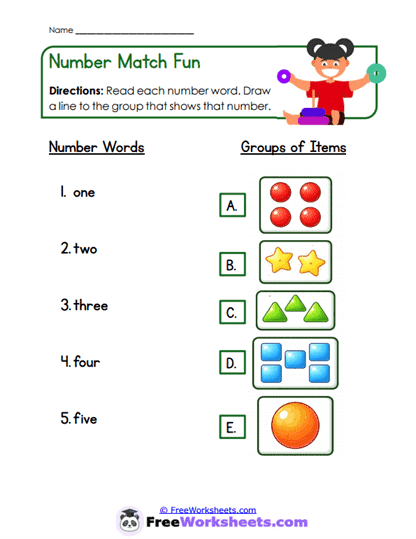
In Mathematics, preschool instruction emphasizes number sense, counting fluency, one-to-one correspondence, pattern recognition, shape identification, and early problem-solving. While literacy is a primary focus of this collection, mathematical reasoning is embedded through structured tasks that strengthen sequencing, visual discrimination, classification, and symbolic recognition – all critical pre-math competencies. These experiences foster conceptual understanding of quantity, comparison, and logical organization. Such early numeracy development ensures vertical alignment with Kindergarten expectations in operations and mathematical reasoning.
Within Science, preschoolers develop observational skills, curiosity, and the ability to classify and describe the world around them. Early scientific inquiry at this stage centers on recognizing patterns, identifying similarities and differences, and using descriptive language to communicate observations. Worksheets that require children to distinguish letters, symbols, and visual details strengthen the same cognitive processes required for life science categorization, physical science exploration, and environmental awareness. By reinforcing attention to detail and inquiry-based thinking, this collection nurtures scientific habits of mind foundational to later grade-level mastery.
In History and Social Studies, preschool learners begin building awareness of community roles, routines, cultural symbols, and shared communication systems. Letter recognition and early reading experiences contribute to civic readiness by helping students interpret signs, labels, and basic informational text within their environment. Developing comprehension skills also strengthens listening, turn-taking, and narrative understanding-early components of historical thinking and cultural literacy. These worksheets support social development by promoting focus, persistence, and cooperative learning behaviors essential in structured classroom settings.
Beyond core academics, this collection strongly supports Extras and Enrichment, including fine motor development, executive functioning, critical thinking, and social-emotional learning (SEL). Letter formation and identification tasks enhance hand-eye coordination and pencil control, which are foundational for writing fluency. Reading passages promote attention span, working memory, and comprehension monitoring. Through consistent, structured practice, children develop independence, task completion skills, and academic confidence-key indicators of Kindergarten readiness.
Together, these worksheets provide a systematic, developmentally appropriate pathway toward preschool grade-level mastery. They are carefully designed to mirror a complete year of structured early learning, ensuring children build the foundational skills necessary for literacy fluency, mathematical reasoning, scientific inquiry, and social awareness. Educators and families can confidently use this collection as a comprehensive supplement that supports full Core Curriculum alignment and prepares young learners for a successful academic transition into Kindergarten.
A Look at the Categories of Worksheets
Letter Identification
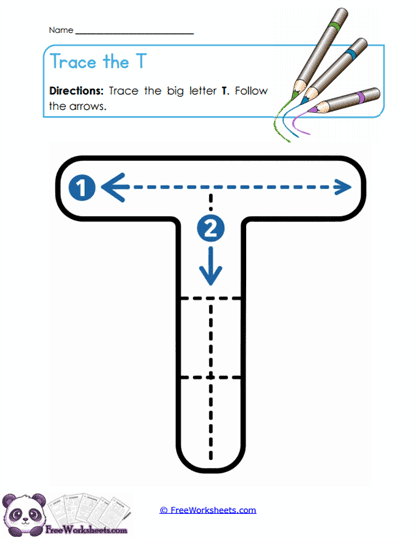
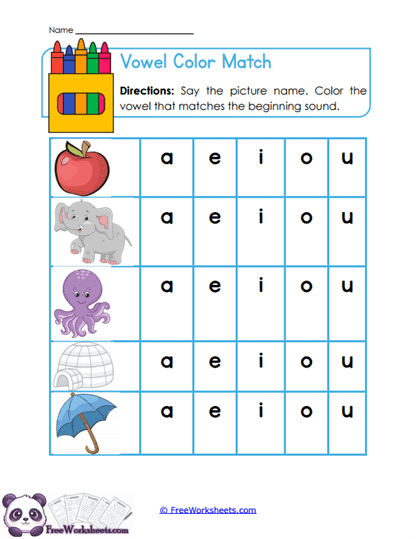
This sub-category directly supports the Language Arts domain by developing alphabet recognition, letter discrimination, and early phonological awareness. Students practice identifying uppercase and lowercase letters, strengthening visual recognition skills that are foundational for decoding and reading fluency. These worksheets reinforce standards-aligned emergent literacy benchmarks, including print awareness and symbol-sound familiarity. In addition to literacy growth, letter identification activities enhance fine motor control, attention to detail, and cognitive classification skills, contributing to overall grade-level mastery and Kindergarten readiness.
Preschool Reading Passages
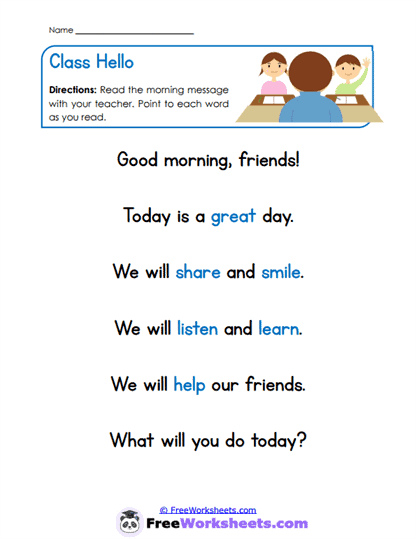
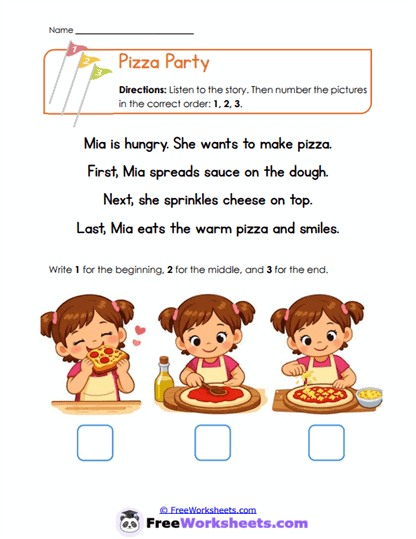
This sub-category supports Language Arts comprehension development while integrating listening skills, vocabulary acquisition, and early narrative understanding. Short, developmentally appropriate passages introduce children to structured text experiences, encouraging left-to-right tracking, picture-text connections, and basic comprehension responses. These worksheets foster conceptual understanding of story structure, sequencing, and meaning-making, building fluency and confidence in early reading behaviors. By strengthening attention span, expressive language, and independent learning habits, these reading passages play a critical role in vertical alignment toward Kindergarten literacy standards and sustained academic success.
Preschool Vocabulary
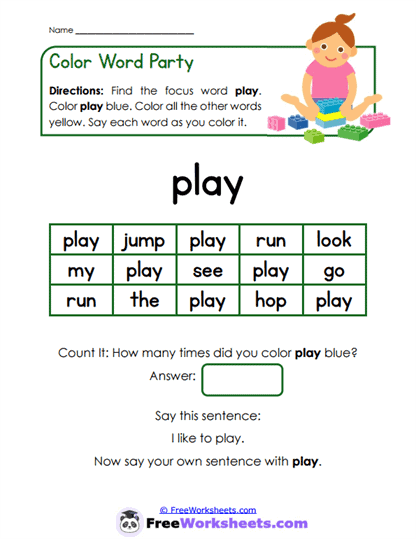
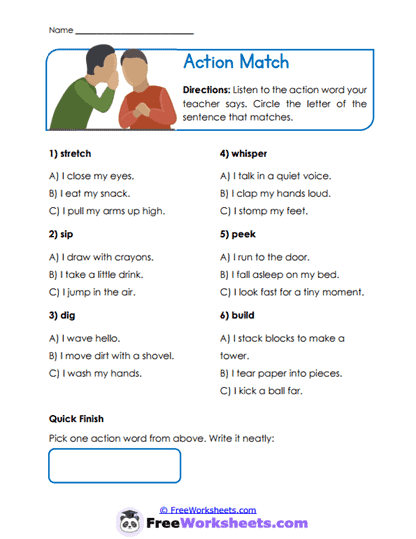
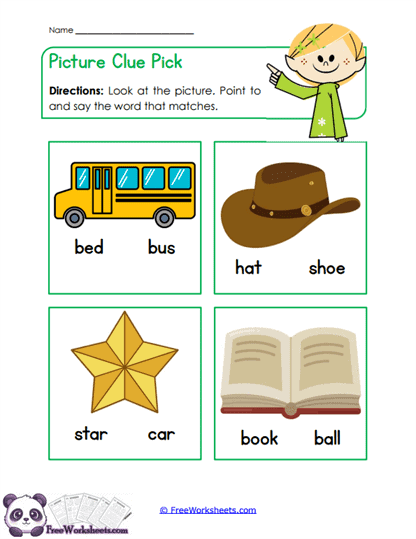
This preschool worksheet collection builds foundational vocabulary skills that support reading comprehension, expressive language, and early academic success through explicit, repeated, and multi-sensory practice. The activities target key skills such as verbs, descriptive language, emotions, listening discrimination, categorization, contextual meaning, and synonyms/opposites, using engaging formats like matching, sorting, acting out, tracing, and drawing. Designed for easy integration into classrooms or home practice, the printables feature simple layouts, minimal prep, and developmentally appropriate tasks that promote deep word understanding and ownership.