
Analyzing Informational Texts Worksheets
These worksheets build strong comprehension by teaching students how nonfiction texts develop ideas and arguments. These free, ready-to-print PDF worksheets are designed for immediate classroom use with structured prompts and space for evidence-based responses. Students practice central idea development, text structure analysis, argument evaluation, and source credibility using high-interest topics.
About This Collection of Worksheets
In Grade 8, students are expected to read informational texts like analysts-tracking how ideas develop, how sections contribute to meaning, and how authors build and support claims. This collection supports that progression by focusing on central idea development, problem-solution structure, argument evaluation, point of view, and the use of evidence across texts. Students learn to move beyond summary to explain how an author’s choices shape understanding and how evidence strengthens or weakens an argument.
These worksheets work well for close reading routines, small-group analysis, literacy centers, and test-prep practice that requires text-dependent answers. Several activities also fit debate and discussion units because they present balanced perspectives on real-world issues, prompting students to evaluate claims, counterclaims, and evidence quality. Others strengthen research readiness by asking students to judge source credibility and explain which evidence is most reliable.
Each printable PDF is classroom-ready and designed for low-prep instruction. Passages are clearly structured with questions that guide students toward citing precise details, comparing perspectives, and organizing analytical responses. The layouts are ink-friendly, easy to follow, and appropriate for independent practice or guided instruction.
Paul’s Teacher Tip
These activities are perfect for building discussion routines-have students explain their answers aloud before writing to strengthen reasoning. Encourage them to always back up ideas with a specific line or detail from the text to avoid vague responses. For deeper thinking, ask students to compare which argument or source is more convincing and explain why. You can also model how to annotate for structure, claims, and evidence before students work independently. Over time, shift responsibility by having students create their own text-dependent questions to build independence.
Worksheet Collection Skill Spotlights
City Sponge Solutions
• What Kids Do – Students read a text about sponge parks and track how the problem and solution develop across paragraphs.
• Target Skill – Builds analysis of central idea development and supporting details.
Digital Arena Boom
• What Kids Do – Students identify key events in a text and write a concise, objective summary of major ideas.
• Target Skill – Develops summary writing and focus on essential information.
Drones in the Wild
• What Kids Do – Students evaluate different sources in a text and decide which are most reliable.
• Target Skill – Builds source evaluation and evidence credibility analysis.
Faces and Privacy
• What Kids Do – Students identify the author’s claim and analyze how evidence supports or challenges it.
• Target Skill – Develops argument analysis and reasoning evaluation.
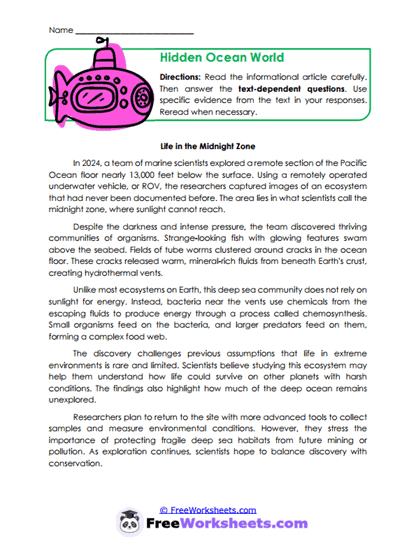
Hidden Ocean World
• What Kids Do – Students answer questions by citing specific details from a scientific text.
• Target Skill – Builds evidence-based reading and precise text support.
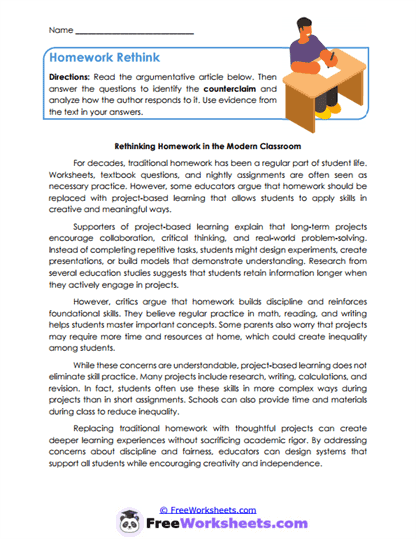
Homework Rethink
• What Kids Do – Students identify a counterclaim and explain how the author responds using evidence.
• Target Skill – Develops understanding of claim-counterclaim structure.
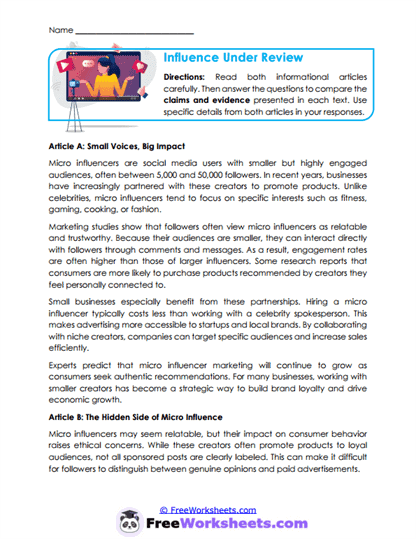
Influence Under Review
• What Kids Do – Students read two texts and compare how each author supports their claim.
• Target Skill – Builds cross-text analysis and comparison of evidence.
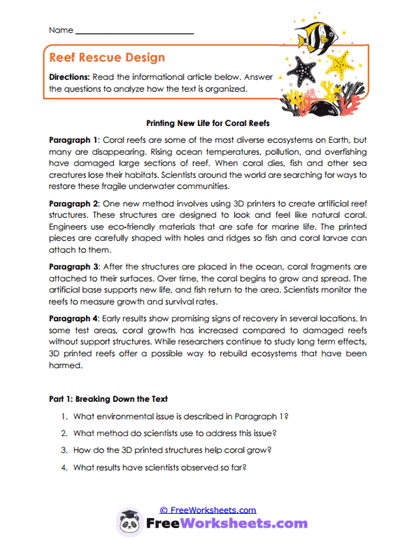
Reef Rescue Design
• What Kids Do – Students analyze how a text is organized and explain how the structure supports understanding.
• Target Skill – Develops analysis of problem-solution structure.
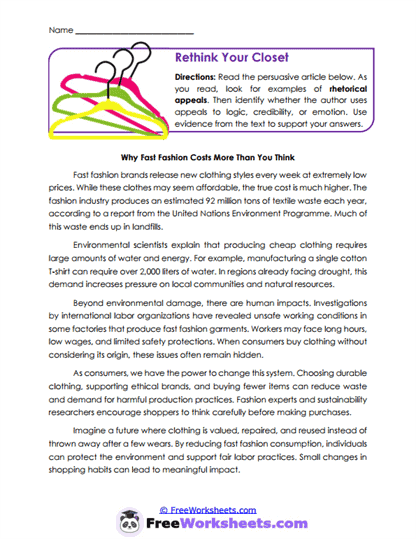
Rethink Your Closet
• What Kids Do – Students identify examples of ethos, pathos, and logos and explain their impact.
• Target Skill – Builds rhetorical analysis of persuasive techniques.
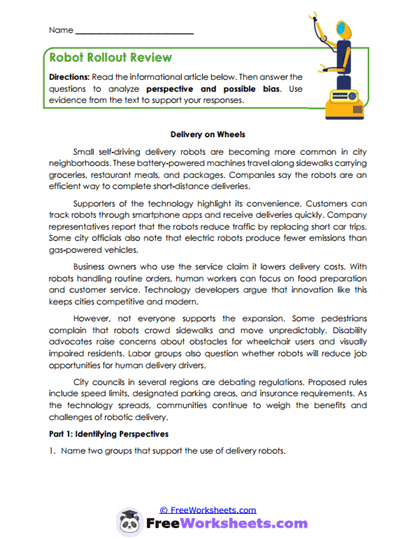
Robot Rollout Review
• What Kids Do – Students identify different perspectives in a text and evaluate whether the author shows bias.
• Target Skill – Develops analysis of perspective and bias.
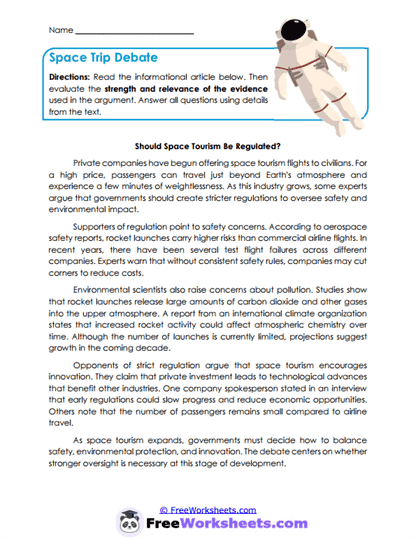
Space Trip Debate
• What Kids Do – Students evaluate arguments on both sides of a debate and judge the strength of evidence.
• Target Skill – Builds evaluation of competing claims and supporting evidence.
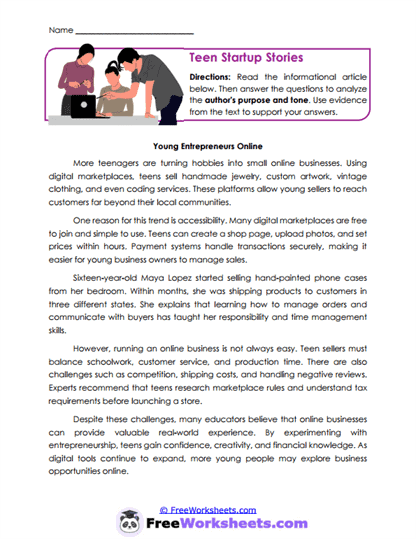
Teen Startup Stories
• What Kids Do – Students identify the author’s purpose and analyze how tone and examples shape the message.
• Target Skill – Develops understanding of author’s purpose and tone.