
Text Features Worksheets
Grade 5 Reading Text Features worksheets help students understand how nonfiction text elements like headings, graphs, captions, and glossaries support meaning. These free, ready-to-print PDF worksheets are designed for immediate classroom use and structured skill practice. Students develop comprehension, navigation, and analytical reading skills aligned with Common Core standards.
About This Collection of Worksheets
Text features are essential in Grade 5 as students begin working with more complex informational texts across subjects. These worksheets support Common Core standards by helping learners analyze how features like timelines, indexes, graphs, and sidebars organize information and improve understanding. Mastering these skills prepares students to read textbooks, conduct research, and interpret real-world information.
This collection is ideal for use in guided reading, content-area lessons, homework, literacy centers, and small group instruction. Teachers can also use these activities for RTI support or formative assessments to evaluate how well students navigate and interpret nonfiction texts. The wide range of feature types ensures students gain experience with multiple formats.
Each worksheet is designed with clean layouts and minimal ink usage, making them easy to print and use in both classroom and home environments. The activities are structured, accessible, and low-prep, allowing educators to focus on instruction and discussion.
Paul’s Teacher Tip
Turn students into “text feature detectives” by giving them a specific mission before they read. Instead of saying “read the passage,” assign roles like: Find the feature that helps you the fastest, or Which feature gives you information the text does not?
Then, add a challenge: have students rank text features by usefulness for a task (for example, “Which helps you answer a question fastest-index, heading, or diagram?”). This pushes them beyond identification into real-world application.
For struggling learners, focus on one feature at a time and pair it with a clear purpose (e.g., “Use the glossary to understand this word”). For advanced learners, remove one feature and ask: How would this text be harder to understand without it? This builds deeper awareness of why authors include text features-not just what they are.
Worksheet Collection Skill Spotlights
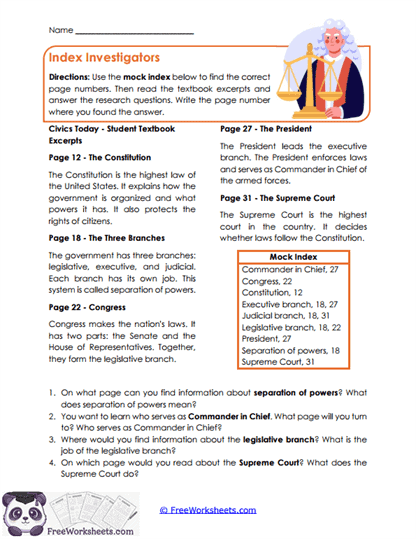
Index Investigators
- What Kids Do:
Students use a mock index to locate information and confirm answers using short text excerpts. - Target Skill:
Builds navigation skills by using indexes to efficiently locate and verify information.
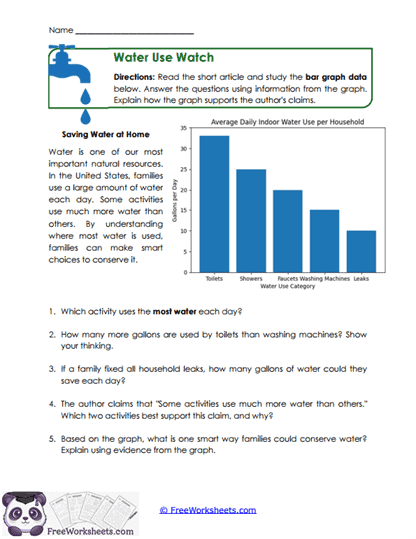
Water Use Watch
- What Kids Do:
Learners analyze a bar graph alongside a passage to answer questions and explain data connections. - Target Skill:
Develops integration of visual data and text to support comprehension.
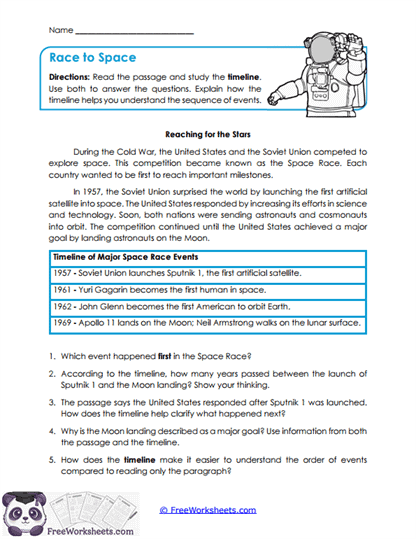
Race to Space
- What Kids Do:
Students use a timeline and passage to understand the sequence of historical events. - Target Skill:
Strengthens understanding of chronological order using visual text features.
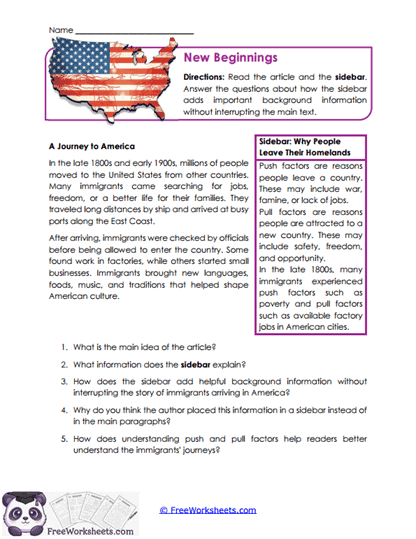
New Beginnings
- What Kids Do:
Learners analyze a sidebar and explain how it adds information to the main text. - Target Skill:
Builds comprehension by evaluating how additional features support understanding.
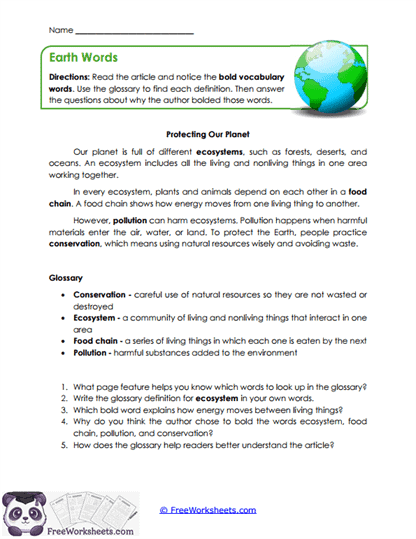
Earth Words
- What Kids Do:
Students use a glossary to define bold words and explain their importance in context. - Target Skill:
Enhances vocabulary skills through effective use of text features.
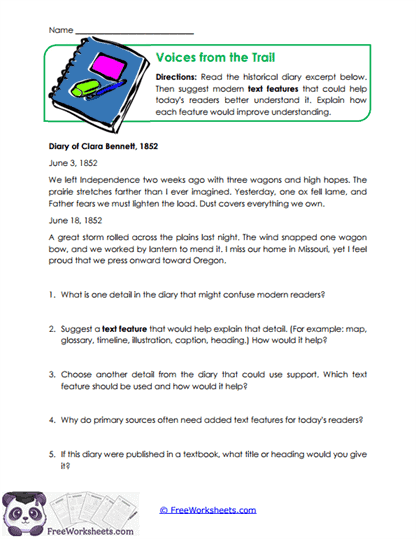
Voices from the Trail
- What Kids Do:
Learners suggest helpful text features to improve understanding of a historical passage. - Target Skill:
Develops critical thinking about how features support reader comprehension.
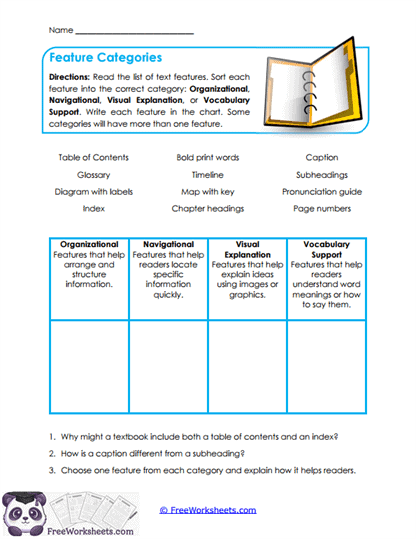
Feature Categories
- What Kids Do:
Students sort different text features into categories based on their purpose. - Target Skill:
Builds understanding of how features function within informational texts.
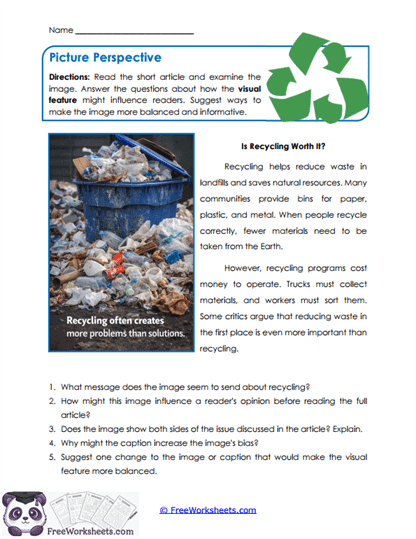
Picture Perspective
- What Kids Do:
Learners analyze how an image influences understanding and identify possible bias. - Target Skill:
Strengthens media literacy by evaluating visual impact on interpretation.
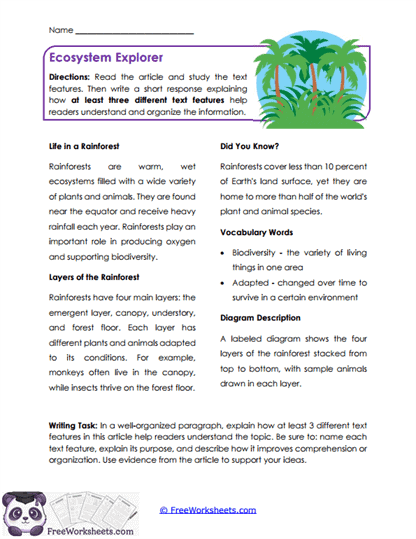
Ecosystem Explorer
- What Kids Do:
Students identify multiple text features and explain how each supports understanding. - Target Skill:
Develops synthesis skills by connecting multiple sources of information.
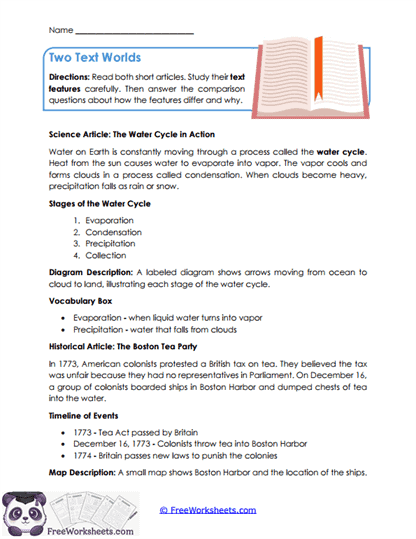
Two Text Worlds
- What Kids Do:
Learners compare text features across two different articles and explain their purpose. - Target Skill:
Builds comparative analysis skills across informational texts.
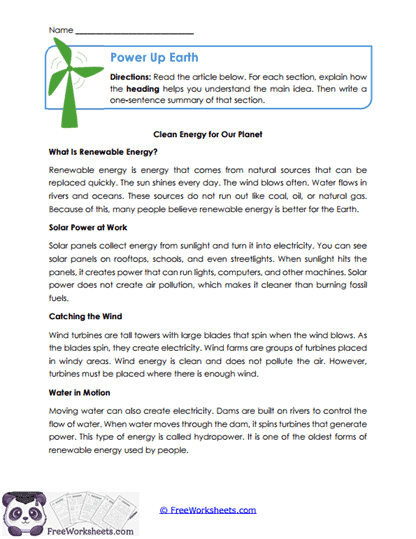
Power Up Earth
- What Kids Do:
Students analyze headings and write summaries for each section of a nonfiction text. - Target Skill:
Strengthens organization and summarization using text structure clues.
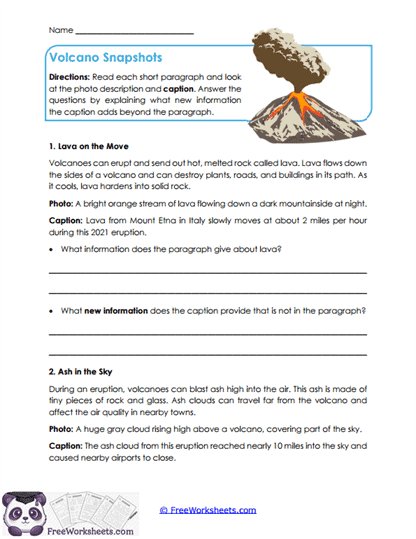
Volcano Snapshots
- What Kids Do:
Learners compare paragraphs and captions to identify how each contributes to understanding. - Target Skill:
Enhances integration of visual and written information for deeper comprehension.