
Grade 5 Worksheets
This worksheet collection is a standards-aligned, curriculum-mapped resource designed to support full academic development across Language Arts, Mathematics, Science, Social Studies, and enrichment areas. It helps students transition from foundational skills to deeper conceptual understanding by strengthening reading comprehension, analytical reasoning, evidence-based writing, and cross-curricular thinking aligned with upper elementary standards.
Reading
-
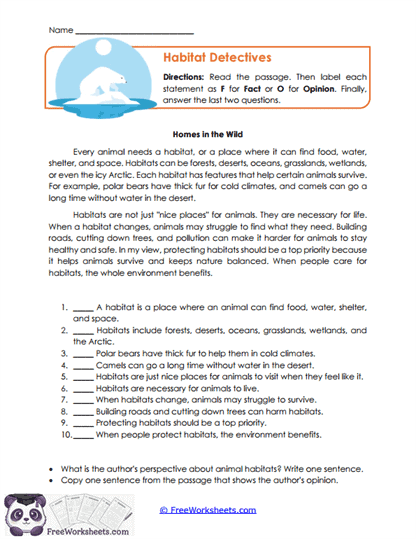
Author's Perspective
-
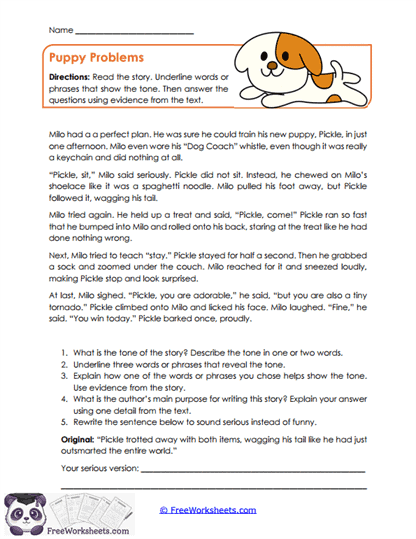
Author's Purpose and Tone
-
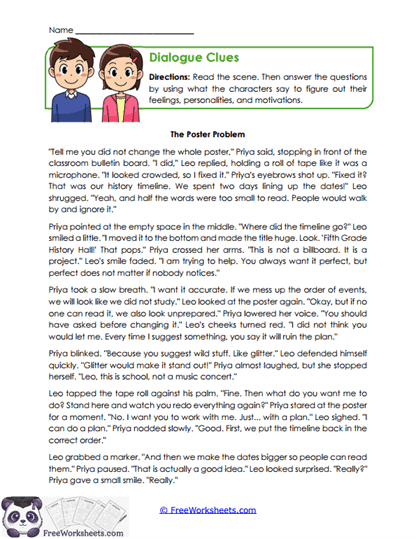
Characters of Stories
-
-
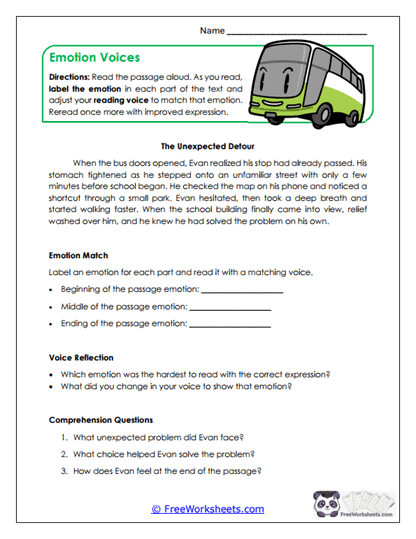
Grade 5 Fluency Practice
-
Grade 5 Reading Comprehension
-
Grade 5 Reading Passages
-
Inference And Theme
-
Informational Texts
-
Literary Devices
-
Literary Texts
-
Main Idea
-
Poetry Elements
-
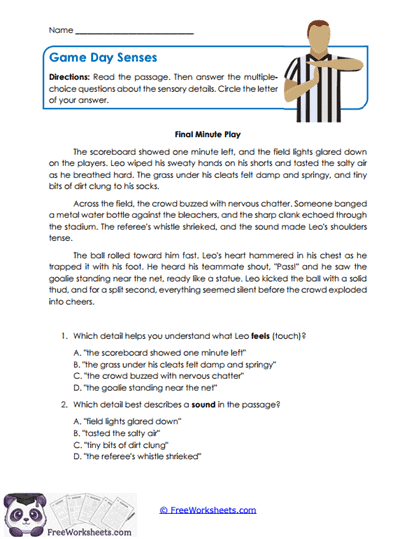
Sensory Details
-
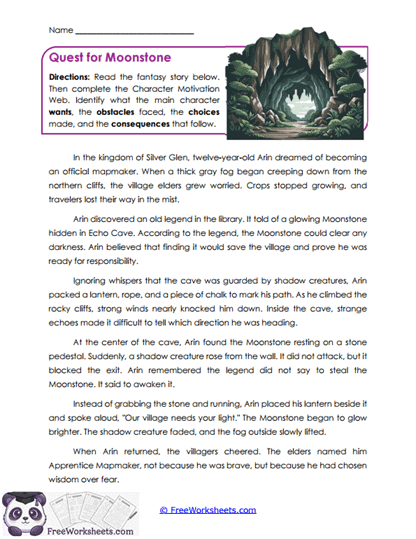
Story Elements
-
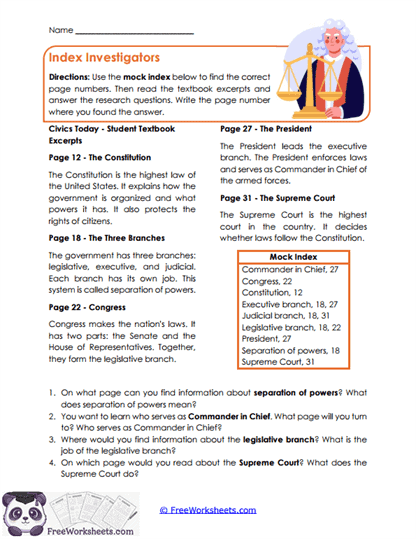
Text Features
-
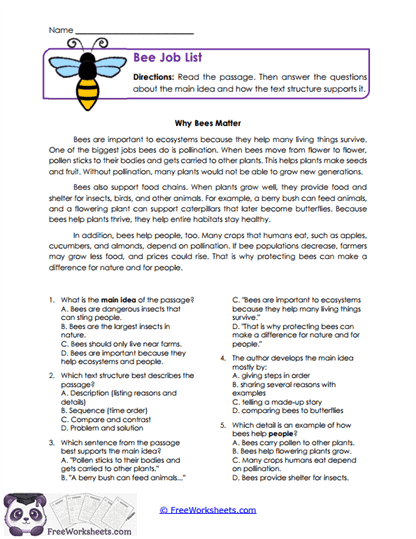
Text Structure
-
Visual Elements
About This Worksheet Collection
This Grade 5 Printable Worksheet Collection is a standards-aligned, curriculum-mapped resource designed to support full academic development across all major subject domains. At the fifth-grade level, students transition from foundational skill acquisition to deeper conceptual understanding, analytical reasoning, and independent learning. This collection reflects vertical alignment with upper elementary standards and prepares learners for the academic rigor of middle school by reinforcing grade-level mastery across Language Arts, Mathematics, Science, Social Studies, and Enrichment domains.
In Language Arts, Grade 5 students are expected to read complex literary and informational texts with increased fluency, analyze author intent, compare themes, interpret figurative language, and cite textual evidence to support their thinking. Writing instruction emphasizes structured paragraphs, opinion and explanatory compositions, grammar accuracy, and academic vocabulary development. This collection strengthens reading comprehension, author analysis, and written response skills through carefully scaffolded exercises that promote critical thinking and textual analysis. Students build academic confidence by engaging in higher-order questioning and evidence-based reasoning aligned with grade-level standards.
In Mathematics, fifth graders expand their number sense to include operations with multi-digit whole numbers, fractions, and decimals. They are expected to demonstrate fluency in multiplication and division, understand place value to the thousandths, solve multi-step word problems, and apply mathematical reasoning to real-world contexts. While this collection emphasizes literacy-based worksheets, its structure reinforces mathematical thinking skills such as logical sequencing, analytical reasoning, and precise interpretation of information-skills that directly support problem-solving proficiency and conceptual understanding across the math curriculum.
In Science, Grade 5 standards focus on life science systems, Earth and space science concepts, physical science principles, and the scientific inquiry process. Students learn to analyze data, interpret informational texts related to scientific topics, and construct explanations supported by evidence. Through rigorous reading comprehension tasks and perspective analysis, this collection strengthens the literacy foundations required for scientific investigation. Students practice extracting key ideas, identifying cause-and-effect relationships, and synthesizing information-critical components of scientific reasoning and inquiry-based learning.
In History and Social Studies, fifth graders explore early civilizations, foundational principles of government, geography, cultural development, and historical cause and consequence. They are expected to analyze primary and secondary sources, understand multiple perspectives, and explain how historical events shape societies. The focus on author’s perspective directly supports historical thinking skills by teaching students to recognize bias, distinguish fact from opinion, and evaluate credibility. These worksheets promote cross-curricular integration by connecting literacy skills with civic awareness and cultural understanding.
Beyond core academics, this collection supports Extras and Enrichment, including executive-function growth, critical thinking, independent learning habits, and academic perseverance. Students at this stage benefit from structured opportunities to analyze, reflect, and articulate their reasoning. The exercises cultivate attention to detail, inferential thinking, and structured response writing-skills essential for academic fluency and readiness for middle school expectations. Through cross-curricular integration, learners develop transferable cognitive strategies that strengthen overall academic performance.
Together, these worksheets create a cohesive, standards-aligned system that mirrors a full year of structured Grade 5 instruction. By reinforcing foundational skills while promoting deeper conceptual understanding, this collection builds both fluency and independence-ensuring students are prepared for the academic demands of the next grade level.
A Look at the Categories of Worksheets
Author’s Perspective
This category strengthens upper-elementary literary analysis skills by teaching students to identify an author’s purpose, tone, point of view, and potential bias. Supporting Language Arts and Social Studies standards, these worksheets guide learners in distinguishing fact from opinion, analyzing persuasive techniques, and evaluating credibility. Students practice citing textual evidence to support their interpretations, reinforcing grade-level mastery of analytical reading. This work directly prepares students for middle school expectations where perspective analysis becomes central to literature and historical source evaluation.
Grade 5 Reading Comprehension
These reading comprehension worksheets develop fluency, inference skills, theme identification, vocabulary acquisition, and evidence-based responses aligned with Grade 5 standards. Students engage with increasingly complex literary and informational texts, practicing close reading strategies and structured written explanations. This category supports Language Arts, Science, and Social Studies domains through cross-curricular text analysis, strengthening conceptual understanding across subjects. By reinforcing comprehension strategies and academic vocabulary, students build the independent learning skills and academic confidence required for upper-grade success.