
Grade 4 Worksheets
This Grade 4 worksheet collection is a standards-aligned, curriculum-mapped resource designed to support comprehensive Core Curriculum development across Language Arts, Mathematics, Science, History/Social Studies, and enrichment. At this pivotal stage, students transition from foundational skills to greater independence, analytical reasoning, and cross-curricular application, strengthening reading comprehension, evidence-based thinking, and multi-step problem solving.
Reading
-
Author's Perspective
-
Author's Purpose
-
Characters in Stories
-
-
Grade 4 Fluency Practice
-
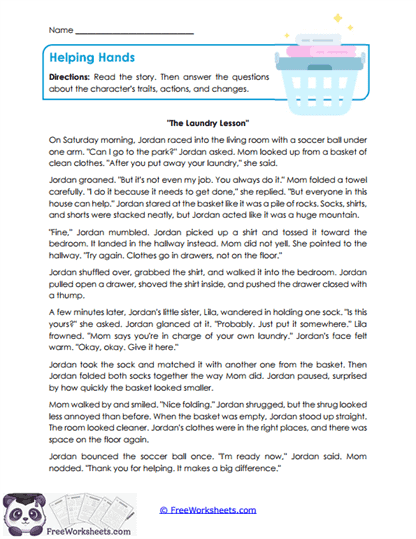
Grade 4 Reading Comprehension
-
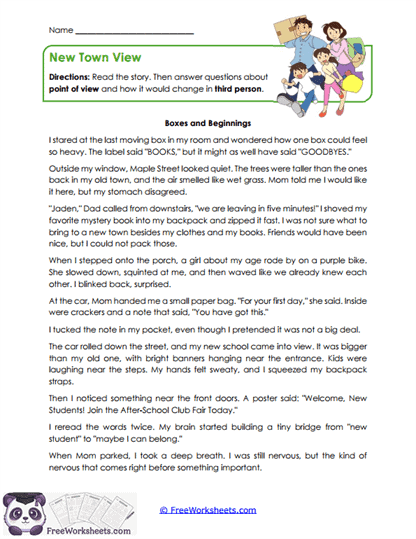
Grade 4 Reading Passages
-
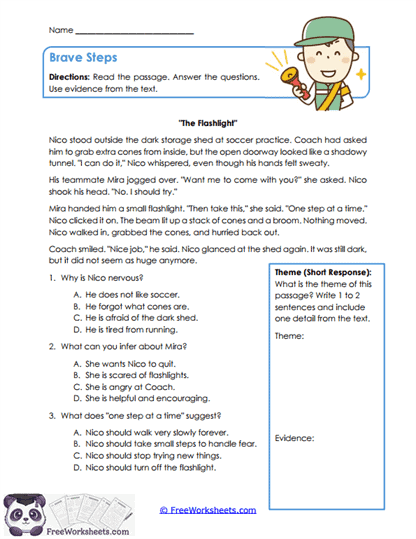
Inference and Theme
-
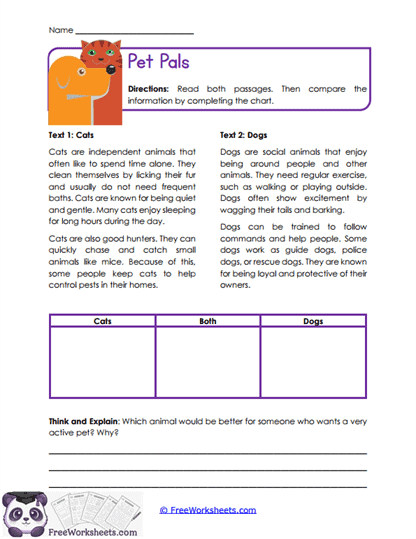
Informational Texts
-
Literary Devices
-
Literary Texts
-
Main Idea
-
Poetry Elements
-
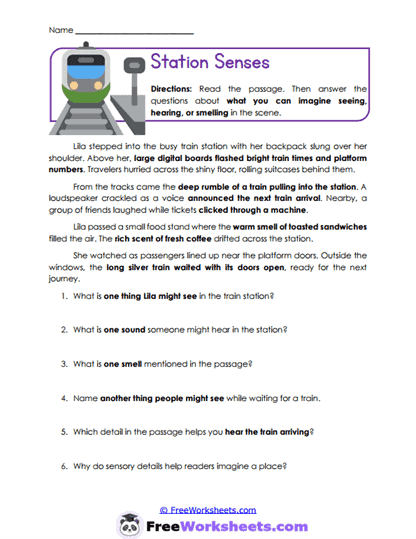
Sensory Details
-
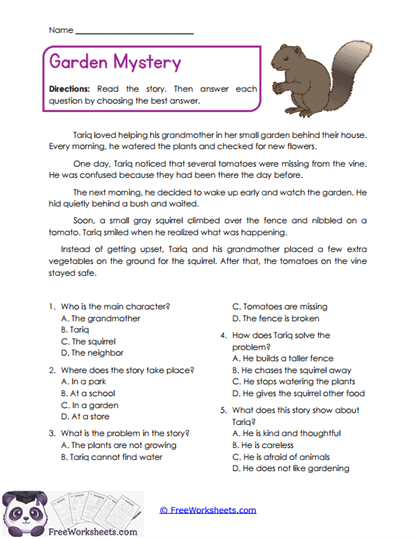
Story Elements
-
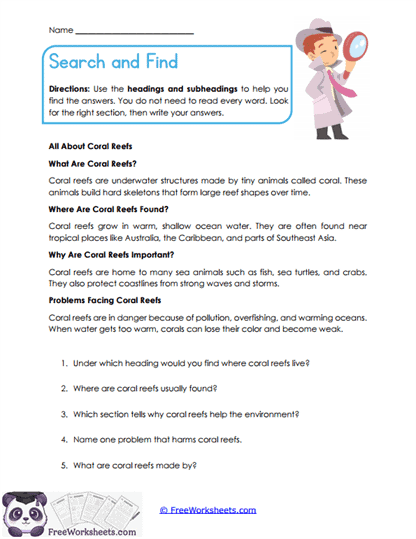
Text Features
-
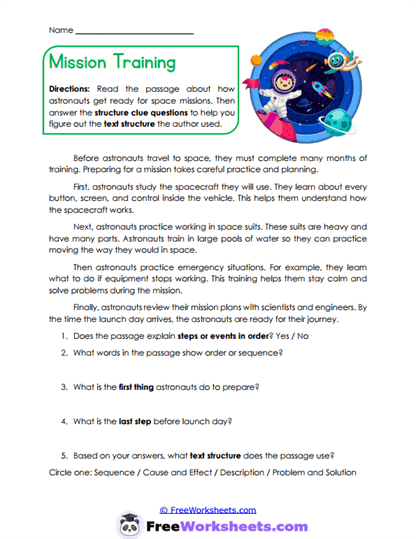
Text Structure
-
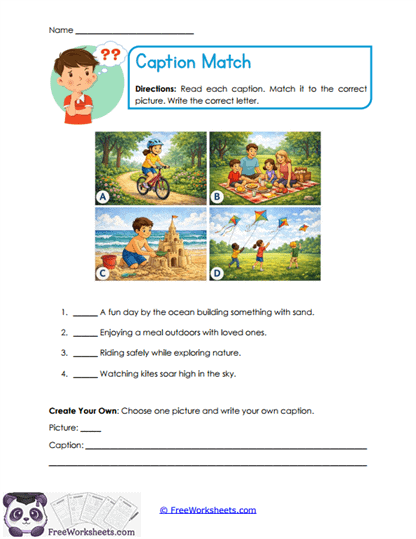
Visual Elements
About This Collection of Worksheets
This Grade 4 printable worksheet collection is a standards-aligned, curriculum-mapped academic resource designed to support full Core Curriculum development across Language Arts, Mathematics, Science, History/Social Studies, and Enrichment domains. At the fourth-grade level, students transition from learning foundational mechanics to applying skills with increasing independence, analytical reasoning, and academic confidence. This collection reflects that critical developmental shift by reinforcing conceptual understanding, skill fluency, and vertical alignment with upper elementary expectations.
In Language Arts, Grade 4 students are expected to demonstrate grade-level mastery in reading comprehension, vocabulary acquisition, grammar conventions, and structured writing. They move beyond literal understanding to analyze text structure, determine theme, make inferences using textual evidence, and compare perspectives. Writing expectations expand to include multi-paragraph opinion pieces, narratives, and informational texts with clear organization and supporting details. This collection strengthens foundational skills in comprehension and evidence-based reasoning while promoting independent learning and interpretive thinking – both essential for readiness in Grade 5 and beyond.
In Mathematics, fourth graders build fluency with multi-digit multiplication and division, deepen number sense with fractions and decimals, and strengthen mathematical reasoning through multi-step problem-solving. Conceptual understanding of place value, factors, multiples, and geometric classification becomes increasingly important. While this collection centers on reading comprehension, it reinforces cross-curricular literacy skills required in math problem-solving – including interpreting word problems, analyzing information, and drawing logical conclusions. Strong literacy fluency directly supports mathematical precision and problem-solving accuracy.
In Science, students are expected to engage in structured scientific inquiry across life science, physical science, and earth/environmental science domains. They practice forming hypotheses, interpreting data, identifying cause-and-effect relationships, and explaining observations using evidence. Reading informational science texts requires the same inference and theme-detection skills developed in this collection. By strengthening analytical reading, students improve their ability to understand scientific explanations, synthesize key ideas, and apply conceptual understanding across disciplines.
In History and Social Studies, Grade 4 learners deepen their understanding of geography, early civilizations, state and national history, cultural development, and civic structures. They analyze primary and secondary sources, identify central ideas, compare perspectives, and interpret historical themes. The ability to infer meaning and determine theme directly supports historical thinking and cultural understanding. These worksheets promote standards-aligned literacy skills that allow students to engage meaningfully with social studies texts and build academic confidence across content areas.
Beyond core subjects, this collection supports enrichment and executive-function development, including critical thinking, logical reasoning, sustained attention, and written articulation of ideas. Grade 4 students are developmentally ready to evaluate implicit meaning, recognize patterns in ideas, and support conclusions with evidence. Through structured reading comprehension practice, students strengthen cognitive flexibility, metacognitive awareness, and independent analytical thinking. These skills are essential for cross-curricular integration and long-term academic success.
By reinforcing inference and theme, two cornerstone comprehension standards, this collection promotes grade-level mastery, literacy fluency, and readiness for increasingly complex texts in upper elementary grades. It reflects the rigor and structure of a complete academic year while providing targeted skill development within a comprehensive Core Curriculum framework.
A Look at the Categories of Worksheets
Grade 4 Reading Comprehension
This category supports the Language Arts domain by strengthening students’ ability to read grade-level fiction and nonfiction texts with accuracy, fluency, and conceptual understanding. Students practice identifying main ideas, supporting details, character motivations, text structure, and author’s purpose while applying evidence-based reasoning. These worksheets reinforce standards-aligned expectations for close reading and analytical thinking, preparing students to engage independently with increasingly complex academic texts. Mastery in reading comprehension at this level supports success across science, mathematics, and social studies content areas.
Inference and Theme
This category focuses on two of the most developmentally significant comprehension skills in Grade 4: drawing logical inferences and determining theme. Students learn to interpret implicit meaning, analyze character actions, identify patterns in events, and support conclusions with textual evidence. Determining theme strengthens higher-order thinking by requiring synthesis of ideas rather than simple recall. These worksheets promote academic fluency, critical thinking, and independent reasoning – essential competencies for upper elementary literacy and cross-curricular analytical work.